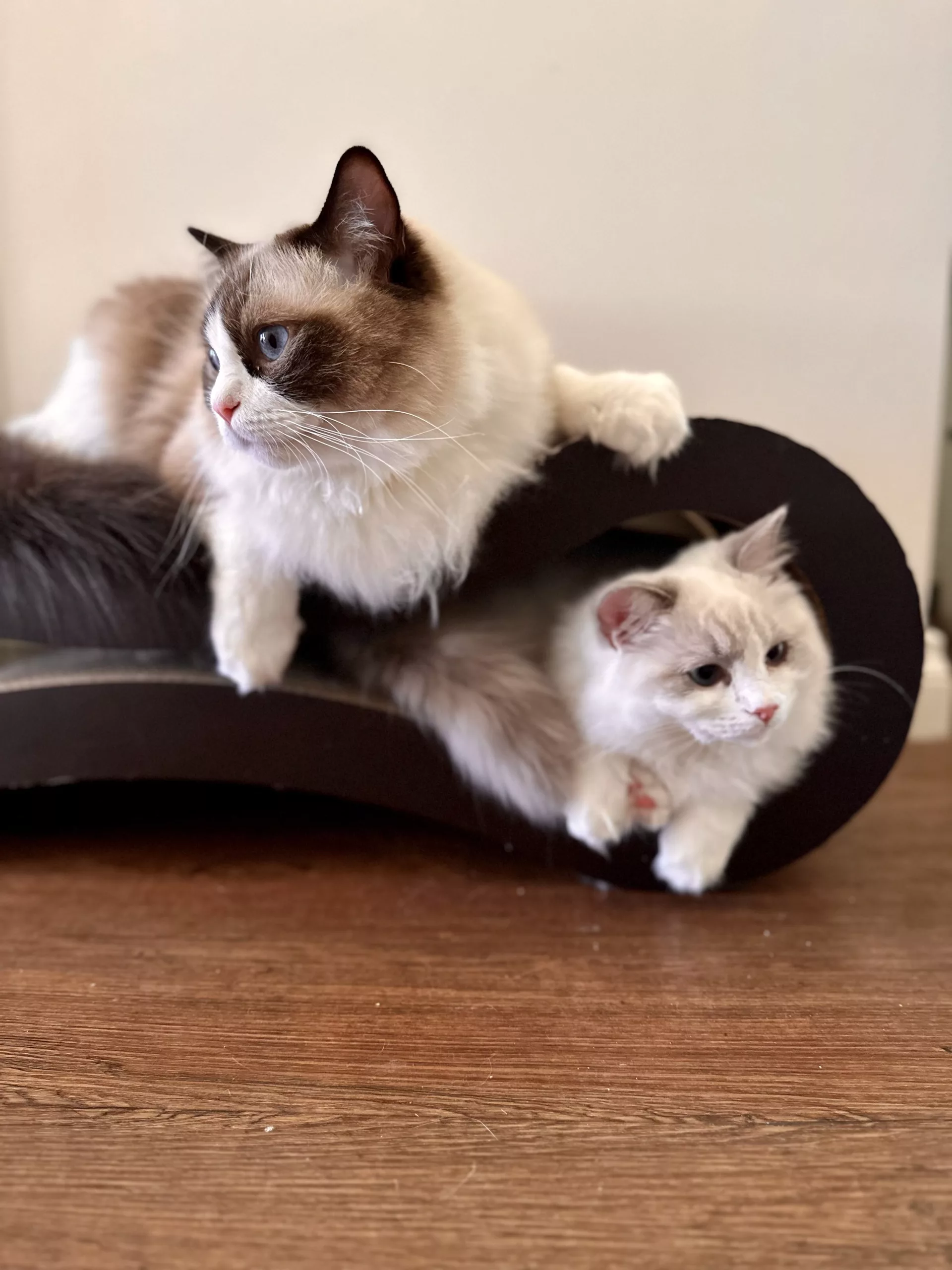
Taking care of a new kitten can be an exciting and rewarding experience. However, it can also be overwhelming, especially during the first month.
During this time, it’s important to provide your kitten with the proper care and attention to ensure they grow up healthy and happy.
One of the first things to consider when bringing home a new kitten is their living space. It’s important to provide your kitten with a safe and comfortable environment that includes a separate room for them to adjust to their new surroundings.

Photo by Japheth Mast
Additionally, you’ll need to provide them with food and water bowls, a litter box, and toys to keep them entertained. It’s also important to kitten-proof your home by removing any potential hazards and blocking off areas that are off-limits to your kitten.
Another important aspect of first month kitten care is establishing a routine. Kittens thrive on consistency, so it’s important to establish a regular feeding schedule and stick to it. You’ll also need to provide them with plenty of playtime and socialization to help them develop into well-adjusted cats.
What you'll learn from this article
Additionally, it’s important to keep up with their grooming needs, including regular brushing and nail trimming. By providing your kitten with the proper care and attention during their first month, you can help set them up for a lifetime of health and happiness.
Bringing Your New Kitten Home
When bringing home a new kitten, it’s important to make sure your home is a safe and comfortable environment for them to adjust to. Here are some tips to make the transition as smooth as possible:
- Prepare a small room for your new kitten to stay in for the first few days. This will help them feel secure and allow them to get used to their new surroundings gradually. Make sure the room is kitten-proof by removing any potential hazards such as cords, plants, or small objects.
- Use a cat carrier to transport your kitten to their new home. This will keep them safe and prevent them from getting lost or injured during the journey. Make sure the carrier is comfortable and secure, with plenty of padding and ventilation.
- Introduce your kitten to their litter box, food, and water dishes in the designated room. Show them where everything is and give them time to explore and get comfortable. Make sure the litter box is in a quiet, private location and cleaned regularly.
- Spend time with your new kitten in the designated room, but let them come to you on their own terms. Avoid overwhelming them with too much attention or handling, especially in the first few days.
- Gradually introduce your kitten to the rest of your home and other pets, if you have any. Supervise their interactions closely and give them time to adjust to each other’s presence.
By following these tips, you can help your new kitten feel safe and comfortable in their new home. Remember to be patient and give them plenty of love and attention as they adjust to their new surroundings.
First Month Kitten Care
Understanding Kitten Nutrition
As responsible kitten owners, it is important to understand the nutritional requirements of our furry friends during their first month of life. Kittens have unique nutritional needs that differ from adult cats. During the first month, kittens require a diet that is high in protein, fat, and calories to support their rapid growth and development.
Choosing the Right Kitten Food
When it comes to choosing the right kitten food, it is important to select a high-quality commercial kitten food that has been specifically formulated for their nutritional needs. Look for a kitten food that meets the Association of American Feed Control Officials (AAFCO) standards for growth and development.
Avoid feeding your kitten milk, as it can cause digestive upset. Additionally, avoid feeding your kitten dog or adult cat food, as it may not provide the necessary nutrients that your kitten needs to thrive.
Feeding Your Kitten
During the first month, kittens should be fed a combination of their mother’s milk and a high-quality commercial kitten food. As they grow, you can gradually introduce them to solid food by using a process called weaning.
To begin the weaning process, you can start by mixing a small amount of wet kitten food with their mother’s milk. As they become more comfortable with the new food, you can gradually increase the amount of kitten food and decrease the amount of milk.
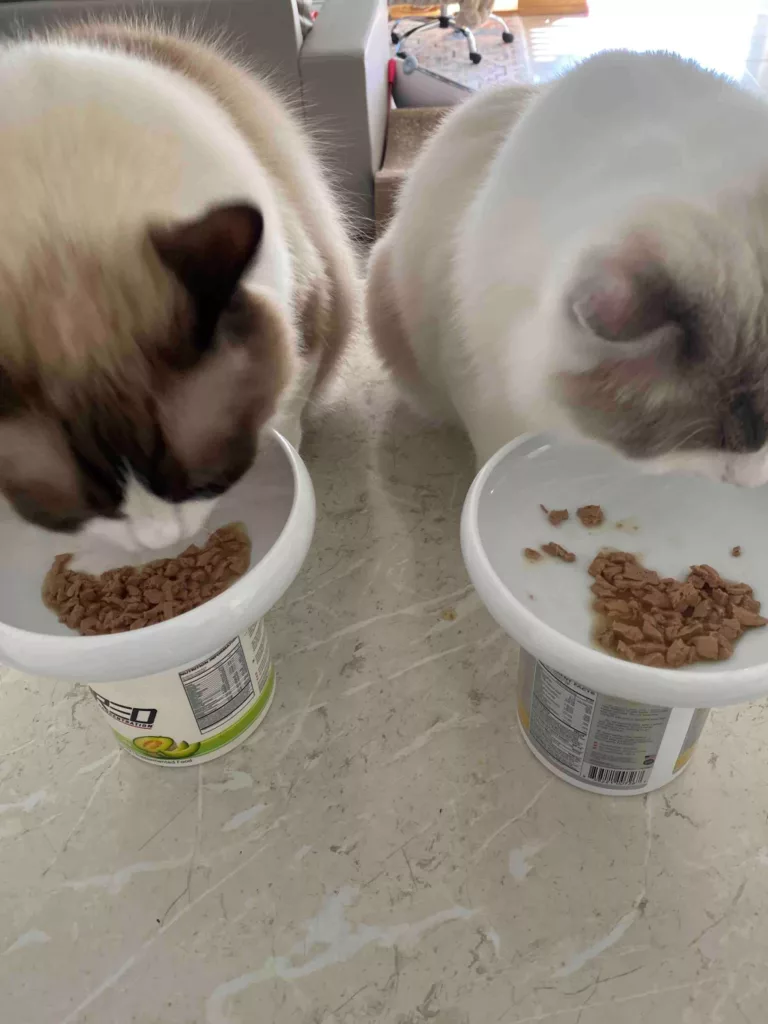
It is important to feed your kitten several small meals throughout the day rather than one large meal. This will help to prevent digestive upset and ensure that they are receiving the necessary nutrients to support their growth and development.
In conclusion, providing your kitten with a well-balanced and nutritious diet is essential for their health and development. By understanding their nutritional needs, choosing the right kitten food, and feeding them properly, you can help set them up for a happy and healthy life.
Health and Veterinary Care
Taking care of your kitten’s health is essential to ensure a long and happy life. Regular veterinary care is an important part of kitten care. During the first month, you should schedule a vet visit to make sure your kitten is healthy and receives the necessary vaccinations and deworming.
Routine Vet Visits
Kittens should have regular vet visits, usually every 3 to 4 weeks until they are about 4 months old. Geriatric cats (older than 8 to 9 years old) should see their veterinarian twice a year or more frequently because illness is more common in older pets and should be identified sooner to provide proper treatment. During the vet visit, the veterinarian will perform a physical exam to check your kitten’s overall health, including their eyes, ears, nose, mouth, teeth, skin, coat, and body condition. They will also check for any signs of intestinal parasites, heartworms, and cancer.
Vaccinations and Deworming
Vaccinations are crucial to protect your kitten from infectious diseases. Your veterinarian will recommend a vaccination schedule based on your kitten’s age, health status, and lifestyle. Kittens usually receive a series of vaccinations for feline distemper, calicivirus, and rhinotracheitis. Rabies vaccination is also required by law in most states. Deworming is also important to prevent and treat intestinal parasites. Your veterinarian will recommend a deworming schedule based on your kitten’s age and risk of exposure to parasites.
Spaying and Neutering
Spaying and neutering are important for your kitten’s health and to prevent unwanted litters of kittens. Spaying involves removing the ovaries and uterus of female cats, while neutering involves removing the testicles of male cats. Spaying and neutering can also reduce the risk of certain health problems, such as certain types of cancer. Your veterinarian will recommend the best time to spay or neuter your kitten based on their age and health status.
In conclusion, regular veterinary care is essential to maintain your kitten’s health and well-being. By scheduling routine vet visits, vaccinations, deworming, and spaying or neutering, you can help ensure a long and happy life for your furry friend.
Training Your Kitten
Training your kitten is an important part of their development. It helps them learn good behavior and habits that will stay with them for life. Here are some tips for training your kitten during their first month.
Litter Box Training
Litter box training is an essential part of kitten care. Kittens instinctively know how to use a litter box, but they still need some guidance. Here are some steps to follow for successful litter box training:
- Choose a litter box: Choose a litter box that is the right size for your kitten. It should be large enough for them to move around in comfortably, but not so big that they get lost in it.
- Choose a litter: Choose a litter that your kitten likes. Most kittens prefer unscented, clumping litter.
- Show your kitten the litter box: Place your kitten in the litter box and let them explore. They may start using it right away, or they may need some encouragement.
- Encourage your kitten: When your kitten uses the litter box, praise them and give them a treat. This positive reinforcement will help them learn to use the litter box on their own.
Scratching and Chewing Training
Scratching and chewing are natural behaviors for kittens, but they can be destructive if not properly trained. Here are some tips for training your kitten not to scratch or chew on things they shouldn’t:
- Provide scratching posts: Provide your kitten with scratching posts or pads. Encourage them to use these instead of scratching your furniture.
- Deter chewing: If your kitten is chewing on things they shouldn’t, try spraying them with a bitter apple spray. This will deter them from chewing on the object.
- Redirect their behavior: If your kitten is scratching or chewing on something they shouldn’t, redirect their behavior to a more appropriate object. For example, if they are scratching the couch, pick them up and place them next to their scratching post.
By following these tips, you can help your kitten develop good habits and behaviors that will stay with them for life. Remember to be patient and consistent in your training, and your kitten will learn quickly and easily.
Grooming and Hygiene
Taking care of your kitten’s grooming and hygiene needs is an important part of keeping them healthy and happy. In this section, we’ll cover brushing and bathing, as well as eye and nail care.
Brushing and Bathing
Most cats are fastidious groomers and will keep themselves clean, but it’s still important to help them out. Brushing your kitten regularly not only helps keep their coat shiny and healthy, but it also helps prevent hairballs and matting. Short-haired cats only need to be brushed once a week, while long-haired cats may need to be brushed daily.
If your kitten gets into something particularly dirty or smelly, you may need to give them a bath. However, most cats don’t like water, so it’s important to make the experience as stress-free as possible. Use a cat-specific shampoo and make sure the water is warm, but not too hot. Avoid getting water in their ears, eyes, and nose, and be sure to rinse thoroughly.
Eye and Nail Care
Your kitten’s eyes and nails also need attention. Keep their eyes clean by wiping them gently with a damp cloth or cotton ball. If you notice any discharge or redness, contact your veterinarian.
Trimming your kitten’s nails is important to prevent them from getting too long and causing discomfort. Use a pair of cat-specific nail clippers and be careful not to cut the quick, which is the pink part of the nail that contains blood vessels and nerves. If you’re unsure how to trim your kitten’s nails, ask your veterinarian for a demonstration.
By taking care of your kitten’s grooming and hygiene needs, you’ll help them stay healthy and happy.
Play and Socialization
As new kitten owners, we have a responsibility to ensure our furry friends are well socialized and have enough play time. Playtime is not just about having fun, but it’s also a crucial part of a kitten’s development. In this section, we will discuss the importance of playtime and socialization and provide some tips on how to make the most of it.
Choosing the Right Toys
When selecting toys for our kittens, we need to ensure they are safe, durable, and appropriate for their age and size. Kittens love to play with toys that they can pounce on, chase, and bat around. Some of the best toys for kittens include:
- Balls: Small balls that are lightweight and easy to bat around are perfect for kittens.
- Wand toys: Wand toys with feathers or other dangling objects can provide hours of entertainment for kittens.
- Catnip toys: Many kittens love catnip, and catnip toys can be a great way to keep them entertained and stimulated.
- Puzzle toys: Puzzle toys that dispense treats can be a great way to keep kittens mentally stimulated.
It’s important to remember that kittens can get bored quickly, so we should rotate their toys regularly to keep them interested.
The Importance of Play Time
Playtime is not just about having fun; it’s also a crucial part of a kitten’s development. Kittens learn important social and behavioral skills through play, such as hunting, stalking, and pouncing. Playtime also helps kittens develop their coordination and balance, as well as providing them with exercise.

It’s important to make time for playtime every day, ideally in short bursts throughout the day. We should also make sure our kittens have plenty of space to play and explore, and that they have access to toys and scratching posts.
In conclusion, playtime and socialization are essential for a kitten’s development. By providing our kittens with safe and appropriate toys, making time for playtime every day, and ensuring they have plenty of space to play and explore, we can help them grow into happy, healthy adult cats.
Long-Term Care Considerations
As we welcome our new kitten into our home, it’s important to think about their long-term care. Here are a few considerations to keep in mind:
Microchipping and Identification
One of the most important things we can do for our kitten is to ensure they are properly identified. This can be done through a collar with identification tags or through microchipping. Microchipping is a simple procedure where a small chip is inserted under the skin of our kitten. This chip contains our contact information, making it easier for our kitten to be returned to us if they ever get lost.
It’s important to ensure that the information on the microchip is up to date. If we move or change phone numbers, we need to make sure we update the information associated with our kitten’s microchip.
Monitoring Weight and Behavior
As our kitten grows, it’s important to monitor their weight and behavior. We should weigh our kitten regularly and keep track of their weight in a journal or on a chart. This can help us identify any potential health issues early on.
We should also pay attention to our kitten’s behavior. If they start acting differently than usual, it could be a sign of an underlying health issue. For example, if our kitten is usually very active but suddenly becomes lethargic, it could be a sign of illness.
In addition to monitoring our kitten’s weight and behavior, we should continue to provide them with proper nutrition and regular veterinary care. This will help ensure our kitten stays healthy and happy for years to come.
Overall, raising a kitten requires a lot of love, patience, and attention. By taking the time to consider their long-term care, we can help ensure our kitten grows up to be a healthy and happy cat.
Sleep and Comfort
When it comes to taking care of a new kitten, ensuring they get enough sleep is crucial. Kittens need plenty of rest to grow and develop properly, and getting them settled into a comfortable sleeping routine is essential. Here are some tips to help your kitten sleep soundly:
Bedding
Providing your kitten with a comfortable sleeping space is important. A soft and cozy bed will help them feel safe and secure.
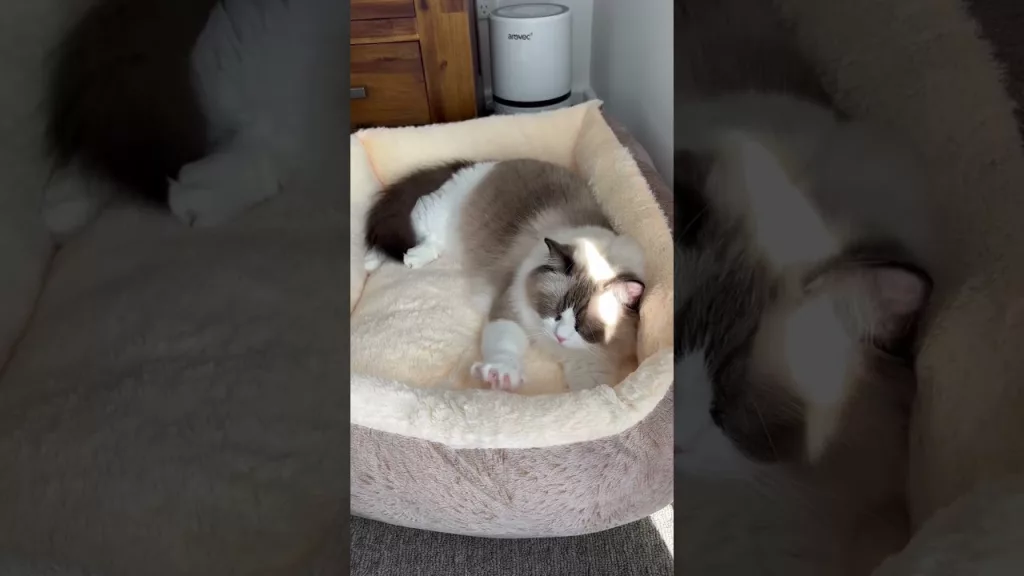
You can purchase a kitten bed from a pet store or make your own by using a cardboard box lined with soft blankets or towels. Ensure the bedding is clean and changed regularly to keep your kitten healthy.
Beauty Sleep
Kittens need a lot of sleep, and it’s important to let them sleep undisturbed. Avoid waking them up during their naps, as this can disrupt their sleep cycle and cause them to become irritable. Make sure their sleeping area is quiet and free from distractions, such as loud noises or bright lights.
Adjust
It’s important to give your kitten time to adjust to their new sleeping environment. During the first few nights, you may want to keep them in a smaller room or crate to help them feel safe and secure. As they become more comfortable, you can gradually introduce them to other areas of your home.
By following these tips, you can help your kitten get the rest they need to grow and thrive. Remember, every kitten is different, so it may take some time to find the right sleeping routine for your furry friend. Be patient and keep trying until you find what works best for you and your kitten.
Frequently Asked Questions
How do you take care of a 1 month old kitten?
Taking care of a 1 month old kitten involves providing them with a safe and comfortable environment. Make sure to keep them warm and dry, and provide them with a litter box, food, and water. It’s also important to socialize with your kitten by playing and spending time with them.
What does a 1 month old kitten need?
A 1 month old kitten needs proper nutrition, a comfortable place to sleep, and regular veterinary check-ups. They also need to be kept clean and dry, and provided with toys and scratching posts to keep them entertained.
Where should my kitten sleep on the first night?
On the first night, your kitten should sleep in a quiet, comfortable room with a bed or blanket to snuggle in. It’s important to keep them away from any potential hazards and to make sure they feel safe and secure.
Can a 1 month old kitten stay home alone?
A 1 month old kitten should not be left alone for extended periods of time. They require constant care and attention, including feeding, socialization, and monitoring for any health issues.
How to care for a 4 week old kitten without mother?
If a 4 week old kitten is without their mother, it’s important to provide them with a kitten formula and bottle feeding. They also need to be kept warm and dry, and provided with a litter box and regular veterinary check-ups.
4 week old kitten feeding schedule?
A 4 week old kitten should be fed every 4-6 hours, with a kitten formula and bottle feeding. It’s important to monitor their weight and adjust feeding frequency and amount accordingly, as well as to provide them with fresh water at all times.
Follow Hugo and Missy for more adventures.
