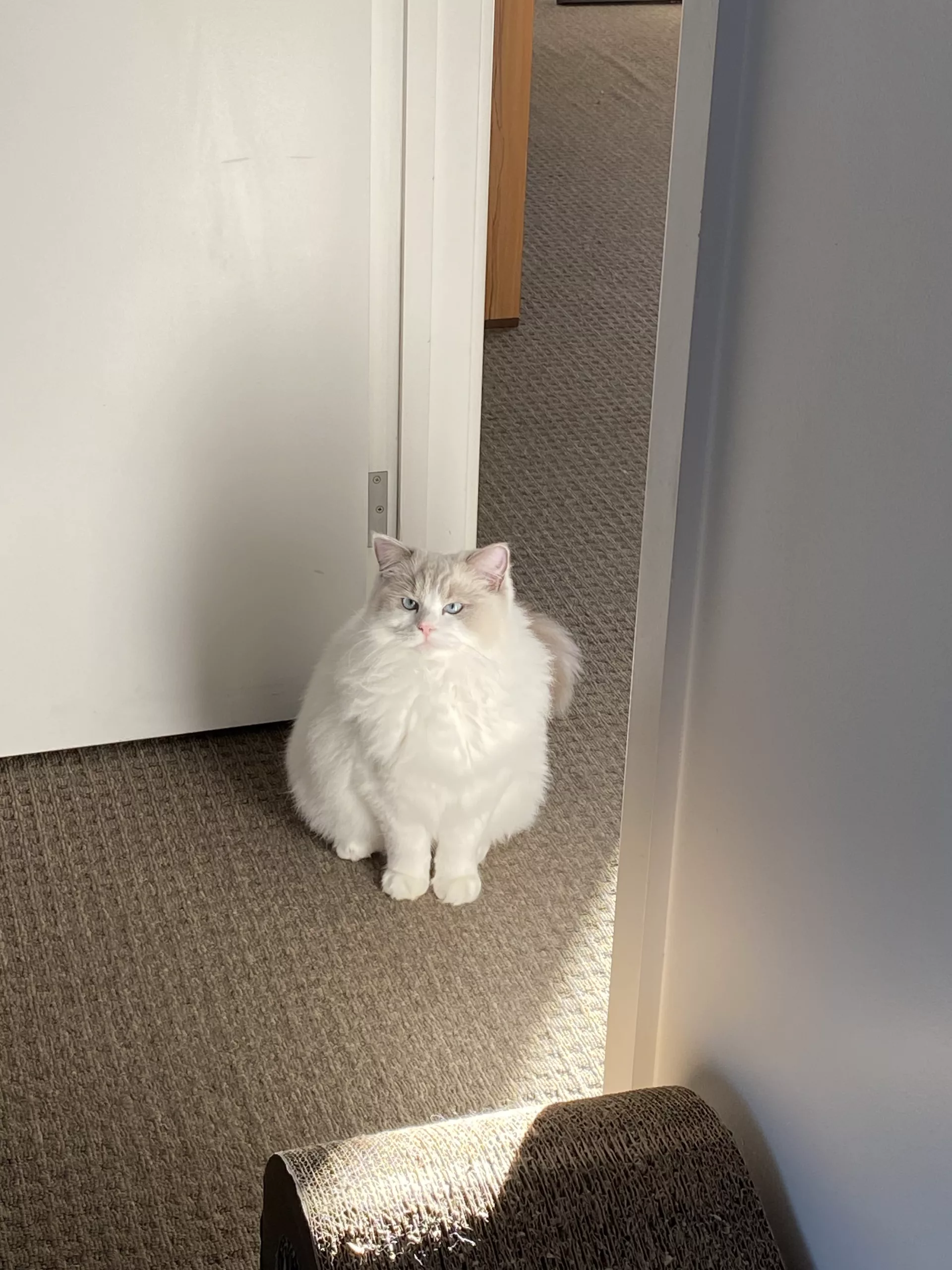
Ragdoll cats are one of the most popular cat breeds in the world. They are known for their docile and affectionate nature, making them great pets for families.
One of the most common concerns among potential owners is whether or not they can leave their Ragdoll cat alone.
As a cat owner myself, I understand the importance of ensuring that our pets are well taken care of, even when we are not around.
QUICK ANSWER: After consulting with our vet and breeder, and having experienced living with Hugo and Missy, I can confidently say that Ragdoll cats can be left alone for short periods of time or over 24 hours. And it depends on their age.
However, it is important to note that the length of time that a Ragdoll cat can be left alone depends on several factors, including their age, health, and temperament.
In this article, I will discuss the pros and cons of leaving a Ragdoll cat alone, as well as provide tips on how to ensure that they are happy and healthy while you are away.

Whether you are a new owner or have had a Ragdoll cat for years, it is important to understand the best practices for leaving your cat alone to ensure that they are well taken care of and happy.
What you'll learn from this article
Understanding the Ragdoll Breed
As someone who has owned Ragdoll cats for several years, I can confidently say that they are a unique and special breed. Here are some key characteristics of the Ragdoll breed to keep in mind:
Appearance: Ragdolls are large cats with striking blue eyes and a medium-length coat. They come in a variety of colors and patterns, including seal, blue, chocolate, lilac, red, cream, cinnamon, and fawn. Ragdolls are known for their distinctive pointed pattern, which is similar to that of a Siamese cat.
Temperament: Ragdolls are known for their docile and affectionate nature. They are often referred to as “lap cats” because they enjoy cuddling with their humans and will often go limp when held or petted. Ragdolls are also known for their playful and curious personalities, and they enjoy exploring their surroundings.
History: The Ragdoll breed was first developed in California in the 1960s by a woman named Ann Baker. Baker bred a cat named Josephine, who was known for her gentle and affectionate temperament. Baker selectively bred Josephine and her offspring to create the Ragdoll breed. Today, Ragdolls are recognized by the Cat Fanciers Association (CFA) and are a popular breed among cat lovers.
While Ragdolls are known for their friendly and sociable nature, it is important to note that they may not do well as solo cats. Ragdolls thrive on human interaction and may become lonely or bored if left alone for extended periods of time. If you are considering adopting a Ragdoll, it is recommended that you have another cat or pet to keep them company.
Overall, the Ragdoll breed is a wonderful choice for anyone looking for a friendly and affectionate companion. With their striking appearance and loving personality, Ragdolls are sure to bring joy to any household.
Ragdoll Cat’s Personality and Temperament
Ragdoll cats are known for their gentle, laid-back, and affectionate personality. They are very relaxed and easy-going cats, which makes them great companions for families and individuals.
Ragdolls are not very vocal cats, but they do have a loud purr that they use to show their affection. They are also intelligent cats and can be trained to do tricks and respond to their owner’s commands.
One of the most remarkable traits of Ragdoll cats is that they are not territorial and get along well with other cats and even dogs. They are very social cats and thrive in environments where they receive a lot of attention and affection from their owners.
In my experience, Ragdoll cats are great pets for people who live alone or for families with children. They are very patient and tolerant of children’s playful behavior and enjoy spending time with them.
Overall, Ragdoll cats have a wonderful personality and temperament that makes them great companions for anyone looking for a gentle and affectionate feline friend.
Physical Characteristics of Ragdoll Cats
Ragdoll cats are known for their unique physical characteristics that set them apart from other breeds. As an owner of a Ragdoll cat, I can confidently say that they are a beautiful and fascinating breed.
Length and Weight
Ragdoll cats are a large breed, with males typically weighing between 10 to 20 pounds and standing up to 13 inches tall. Females are slightly smaller, but still muscular, sturdy, and big-boned. They can grow up to 40 inches in length from nose to tail, making them one of the largest domestic cat breeds.
Fluffy and Good Looks
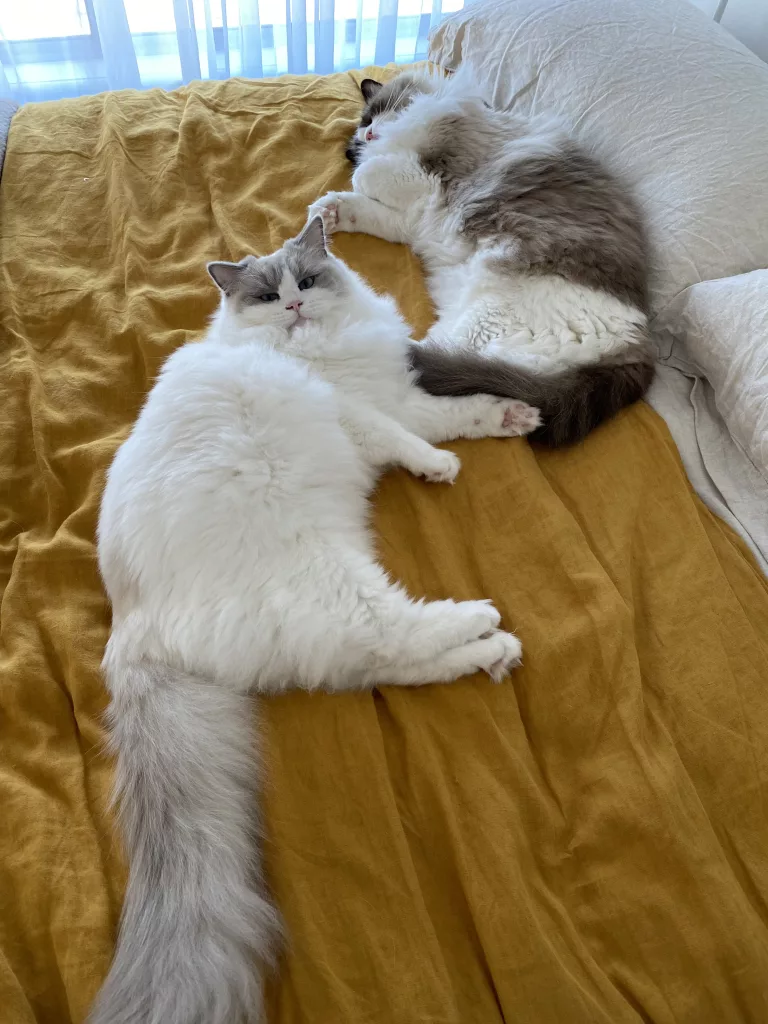
One of the most distinctive features of Ragdoll cats is their soft and fluffy coat. Their medium-length hair comes in a variety of colors, including chocolate, red, seal, blue, lilac, and cream. They also have beautiful coat patterns, such as mitted, color point, bicolor, tortoiseshell, and lynx. Their fur is so plush that they appear even bigger than they are.
Obesity
Due to their large size, Ragdoll cats are prone to obesity. As a responsible owner, it is important to monitor their food intake and provide them with regular exercise to maintain a healthy weight. Obesity can lead to various health problems, including joint issues and diabetes, so it’s essential to keep them at a healthy weight.
Looks
Ragdoll cats have a unique and striking appearance, with their large blue eyes and triangular-shaped face. Their ears are medium-sized and set on the sides of the head, adding to their overall look. Their paws are also large, which gives them a cute and playful appearance.
Overall, Ragdoll cats are a beautiful and fascinating breed with unique physical characteristics. As an owner, it’s important to understand their specific needs to ensure they live a healthy and happy life.
Grooming Needs of Ragdoll Cats
As the proud owner of a Ragdoll cat, I can attest to the fact that they are relatively easy to groom. They have a silky coat that requires minimal maintenance and doesn’t shed as much as other breeds. However, like all cats, they do require some grooming to keep them looking and feeling their best.
Ragdolls have a moderately dense undercoat that helps keep them warm in the winter. They shed their undercoat twice a year, in the spring and fall, so it’s important to brush them regularly during these times to remove any dead hair and prevent tangles. A weekly comb-through with a slicker brush should be more than enough to keep their coat tangle-free.
Regular brushing also helps distribute the natural oils in their coat, keeping it healthy and shiny. I recommend using a stainless steel comb to remove any knots or tangles, followed by a slicker brush to smooth out their coat.
While Ragdolls don’t require frequent baths, they do benefit from the occasional bath to keep their coat clean and shiny. I recommend bathing them every 2-3 months, or as needed if they get into something particularly dirty. Be sure to use a cat-specific shampoo and conditioner, and rinse them thoroughly to avoid any irritation or skin problems.
In summary, Ragdoll cats are relatively easy to groom and require minimal maintenance. Regular brushing and occasional baths are all that’s needed to keep their coat healthy and shiny. With their silky coat and gentle temperament, Ragdolls make wonderful pets for those looking for a low-maintenance cat breed.
Ragdoll Cats and Loneliness
As a cat owner, I know that cats can be independent creatures, but they still need social interaction and company. Ragdoll cats are no exception. While they may be low-maintenance and independent in some ways, they are prone to loneliness and separation anxiety. Our ragdoll cats, Hugo and Missy, love to play with their toys like ribbons, feathers and soft balls.
When a Ragdoll cat is left alone for extended periods, they may start avoiding you or hiding away. They may also become aggressive or dominant with you, particularly when you are prepping to leave the house. Separation anxiety causes agitation and a change in your cat’s behavior when your cat is aware you will be leaving them home alone.
To avoid this, it is permissible to leave Ragdolls alone for a short period of time, but they should have plenty of stimulation and company. One solution to the problem of Ragdoll cat loneliness is to buy a second cat. Ragdoll cats are more sociable than normal cats and require more care. It doesn’t have to be another Ragdoll cat; a dog or other domesticated animal might also be a companion.
Another way to keep your Ragdoll cat happy and content when you’re away from home is to provide plenty of toys and stimulation. Interactive toys, such as puzzle feeders, can keep your cat engaged and entertained. You can also leave a radio or TV on to provide some background noise and make them feel less alone.
In addition to providing company and stimulation, it’s important to create a comfortable and safe environment for your Ragdoll cat. Make sure they have access to food, water, and a clean litter box. If you have to leave them alone for an extended period, consider hiring a pet sitter or asking a trusted friend or family member to check on them.
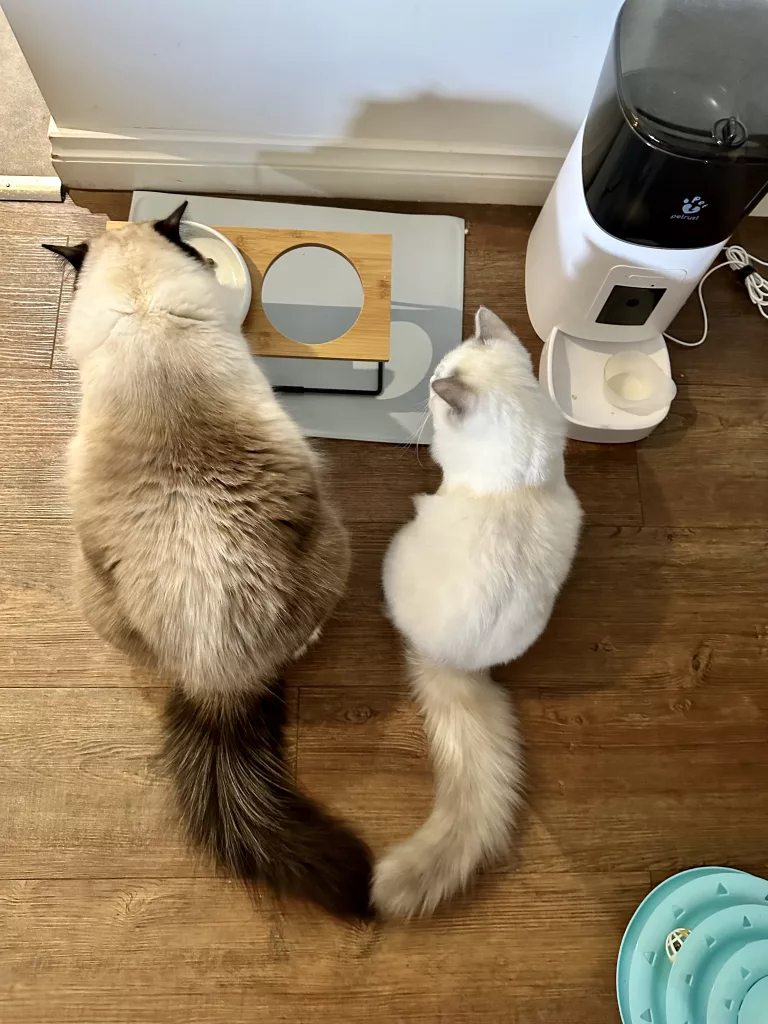
Overall, while Ragdoll cats may be independent, they still need social interaction and company to avoid loneliness and separation anxiety. Providing plenty of toys, stimulation, and a comfortable environment, as well as considering getting a second cat or hiring a pet sitter, can help keep your Ragdoll cat happy and content.
Behavioral Changes in Ragdoll Cats When Left Alone
As a cat owner, I know how important it is to ensure that our pets are comfortable and happy, even when we are not around. Ragdoll cats are known for being extremely people-oriented and affectionate. However, they can deal with being alone for a few hours daily.
When left alone for extended periods, Ragdoll cats can exhibit various behavioral changes that are worth noting. One common behavior is over-grooming, which can lead to hair loss and skin irritation. This behavior is often a sign of stress or anxiety and can be triggered by separation from their owners.
Another common behavioral change in Ragdoll cats is destructive behavior, such as scratching furniture or chewing on household items. This behavior can also be a sign of stress or boredom and can be prevented by providing them with toys and scratching posts to keep them occupied.
It is essential to note that not all Ragdoll cats will exhibit these behaviors when left alone. However, if you notice any of these changes in your cat’s behavior, it is essential to address them promptly to ensure their well-being.
In conclusion, Ragdoll cats can be left alone for a few hours daily, but it is essential to monitor their behavior and address any changes promptly. Providing them with toys, scratching posts, and other forms of stimulation can help prevent destructive behavior and over-grooming.
Solo Living For Ragdolls: Pros and Cons
As a cat owner, I know how important it is to ensure that my feline companion is always happy and healthy. One of the biggest concerns for many cat owners is whether or not their cat can be left alone for extended periods of time. In this section, I will discuss the pros and cons of leaving Ragdoll cats alone.
Pros
Independent nature: Ragdoll cats are known for their independent nature, which means they can handle being alone for short periods of time. They are not super-hyper cats that will ruin your furniture and carpets when left alone, making them a great choice for busy people.
Relaxed temperament: Ragdolls are naturally docile felines, which means they are not easily stressed out. They are known to be relaxed, affectionate, and easy-going cats. This means that they are less likely to suffer from separation anxiety when left alone.
Low maintenance: Ragdoll cats are relatively low maintenance when compared to other cat breeds. They do not require a lot of grooming or attention, which means that they can be left alone for longer periods of time without any issues.
Cons
Separation anxiety: While Ragdoll cats are generally independent, they can still suffer from separation anxiety if left alone for too long. This can lead to destructive behavior, such as scratching furniture or urinating outside the litter box.
Boredom: Ragdoll cats are known for their playful nature, which means they need plenty of stimulation to keep them happy. If left alone without any toys or entertainment, they can become bored and restless.
Hunger: Like all cats, Ragdolls need regular meals to stay healthy. If left alone without access to food and water, they can become hungry and dehydrated.
In conclusion, while Ragdoll cats can be left alone for short periods of time, it is important to ensure that they have enough stimulation, food, and water to keep them happy and healthy. If you need to leave your Ragdoll cat alone for an extended period of time, it may be best to hire a pet sitter or ask a friend or family member to check in on them.
Preventing Destructive Behavior in Ragdoll Cats
As a proud owner of a Ragdoll cat, I understand the importance of preventing destructive behavior in these lovely felines. Ragdolls are gentle and affectionate cats that make great companions but can also be prone to destructive behavior if not trained properly. First order of business when you take home your new ragdoll, you need to kitten proof your home. Once that is done, here are some tips to prevent destructive behavior in Ragdoll cats:
Provide Scratching Posts
Ragdoll cats love to scratch, and if you don’t provide them with a designated scratching post, they will find other things to scratch, such as your furniture or carpet. Make sure to provide your cat with a sturdy scratching post that is tall enough for them to stretch out and scratch. You can also try different types of scratching posts, such as sisal rope or cardboard, to see what your cat prefers.
Understand Their Personality
Ragdoll cats have a unique personality that sets them apart from other breeds. They are known for being docile and laid-back, but they can also be playful and energetic. It’s important to understand your cat’s personality and provide them with appropriate toys and activities to keep them entertained. If your cat is bored or under-stimulated, they may start to exhibit destructive behavior.
Monitor Behavioral Changes
If you notice any changes in your Ragdoll cat’s behavior, such as increased aggression or destructive behavior, it’s important to address the issue promptly. These changes could be a sign of an underlying health issue or a lack of stimulation. Make sure to monitor your cat’s behavior and address any changes immediately.
Use Positive Reinforcement
Positive reinforcement is a great way to train your Ragdoll cat and prevent destructive behavior. Reward your cat with treats or praise when they exhibit good behavior, such as using their scratching post or playing with their toys. This will encourage them to continue exhibiting positive behavior.
In conclusion, preventing destructive behavior in Ragdoll cats is essential to maintaining a happy and healthy relationship between you and your feline companion. By providing them with appropriate scratching posts, understanding their personality, monitoring their behavior, and using positive reinforcement, you can prevent destructive behavior in your Ragdoll cat and enjoy many years of companionship.
Hiring a Pet Sitter for Your Ragdoll Cat
If you need to leave your Ragdoll cat alone for an extended period, it’s essential to hire a pet sitter to take care of them. A pet sitter can ensure that your cat has access to food, water, and a clean litter tray and provide them with companionship while you’re away. Here are some things to consider when hiring a pet sitter for your Ragdoll cat:
Experience: Look for a pet sitter who has experience working with cats, preferably with Ragdoll cats. Ask for references and check them thoroughly before hiring the sitter.
Qualifications: Check if the pet sitter has any certifications or training in pet care. It’s also essential to ensure that the sitter has insurance in case of any accidents or emergencies.
Services: Discuss the services that the pet sitter will provide, such as feeding, watering, litter box cleaning, and playtime. Make sure that the sitter is willing to spend enough time with your cat to keep them company and provide adequate care.
Cost: Get a clear understanding of the pet sitter’s fees upfront. Some sitters charge by the hour, while others charge a flat rate per day. Make sure that you’re comfortable with the cost before hiring the sitter.
Communication: Ensure that the pet sitter is willing to communicate with you regularly while you’re away. Ask for updates on your cat’s well-being and any issues that may arise.
In conclusion, hiring a pet sitter for your Ragdoll cat can provide peace of mind while you’re away. Make sure to choose a sitter with experience and qualifications, discuss the services and cost upfront, and ensure that the sitter is willing to communicate with you regularly.
Are Ragdoll Cats Ok For Solo Living Or Be Left Alone?
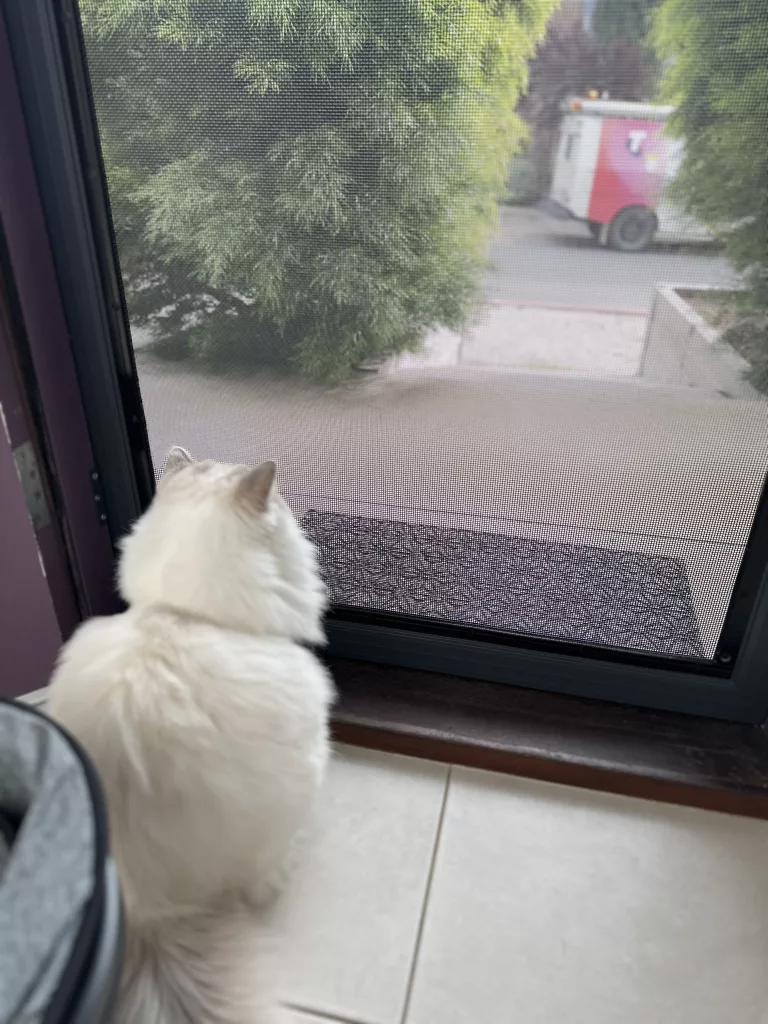
As a cat owner, I know that it’s important to understand how long my cat can be left alone. Ragdoll cats are known for their loving and affectionate nature, but can they be left alone?
According to my research, Ragdoll cats can be left alone for a few hours at a time, but they should not be left alone for extended periods. Most sources suggest that Ragdoll cats should not be left alone for more than 6-9 hours at a time.
It’s important to note that leaving a Ragdoll cat alone for too long can lead to boredom and hunger. Ragdoll kittens, in particular, require more attention and care, and should not be left alone for long periods until they are at least 5-11 months old.
If you do need to leave your Ragdoll cat alone for an extended period, there are a few things you can do to ensure they stay happy and healthy.
- Provide plenty of food and water: Make sure your cat has access to fresh food and water before you leave.
- Clean litter box: Ensure that the litter box is clean before you leave.
- Leave toys: Leave some toys for your cat to play with while you’re away.
- Plenty of light: Keep the home well-lit.
- Comfortable place to sleep: Ensure that your cat has a comfortable place to sleep.
It’s important to remember that no cat should be left alone indefinitely, and Ragdoll cats may have an even lower tolerance for solitude due to their affectionate nature. If you’re considering getting a Ragdoll cat, it’s important to keep this in mind and make sure you can provide the attention and care they need.
Overall, while Ragdoll cats can be left alone for short periods, it’s best to limit the time they spend alone and provide them with the care and attention they need.
Frequently Asked Questions
Are Ragdoll cats independent enough to be left alone?
Ragdoll cats are known for their affectionate and sociable nature. They love to be around their owners and enjoy being petted and cuddled. However, they are also independent cats and can be left alone for a few hours. The amount of time a Ragdoll cat can be left alone depends on various factors such as the cat’s age, temperament, and environment.
Do Ragdoll cats require a companion?
Ragdoll cats are social animals and enjoy the company of humans and other cats. While they can be left alone for a few hours, they are happier when they have companionship. If you are considering adopting a Ragdoll cat, it is recommended that you adopt two cats so that they can keep each other company.
What is the ideal amount of time to leave a Ragdoll cat alone?
The ideal amount of time to leave a Ragdoll cat alone depends on various factors such as the cat’s age, temperament, and environment. Generally, Ragdoll cats can be left alone for a few hours, but it is recommended that they are not left alone for more than 8 hours.
What are some potential issues with leaving a Ragdoll cat alone?
Leaving a Ragdoll cat alone for an extended period of time can lead to various issues such as loneliness, boredom, and anxiety. They may become destructive and start scratching furniture or other items in the house. They may also overeat or stop eating altogether.
How do Ragdoll cats handle being left alone?
Ragdoll cats handle being left alone differently depending on their age, temperament, and environment. Some cats may sleep or play while others may become anxious or destructive. It is important to provide them with toys, scratching posts, and other forms of entertainment to keep them occupied.
Are there any tips for leaving a Ragdoll cat alone for an extended period of time?
If you need to leave your Ragdoll cat alone for an extended period of time, it is important to provide them with a safe and comfortable environment. Make sure they have access to food, water, and a litter box. Provide them with toys and scratching posts to keep them occupied. You can also consider hiring a pet sitter or asking a friend or family member to check on them while you are away.
