As cat owners, we want to make sure that our furry friends are safe and healthy. One of the ways we can do that is by being aware of the plants that are toxic to cats. It’s important to remember that cats are curious creatures and may nibble on plants out of boredom or curiosity.
Therefore, it’s crucial to know which plants are safe to have around our feline friends and which ones are poisonous to cats.
There are numerous plants that are toxic to cats, and some can even be fatal. Lilies, for example, are one of the most toxic plants for cats.
What you'll learn from this article
All parts of the lily plant, including the leaves, flowers, and even the pollen, can cause kidney failure in cats. Other common plants that are toxic to cats include aloe vera, azaleas, and daffodils. Even some common household plants like the pothos and snake plant can cause vomiting and diarrhea in cats if ingested.
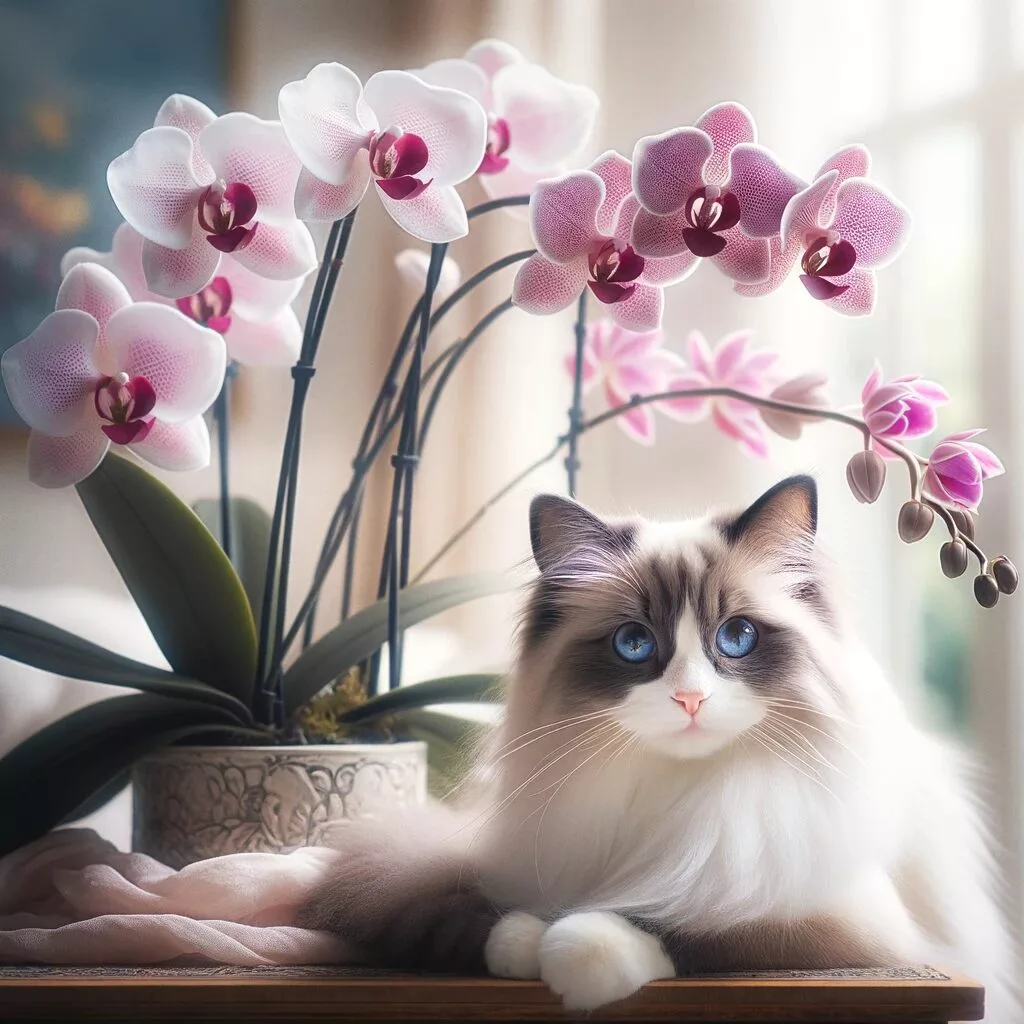
In this article, we will explore the different types of plants that are toxic to cats and the symptoms that may occur if your cat ingests them. By being informed about these plants, we can take the necessary precautions to keep our feline friends safe and healthy.
Understanding Cat Toxicity
As cat owners, we want to keep our feline friends safe and healthy. One of the ways we can do this is by being aware of plants that are toxic to cats. Cat toxicity occurs when a cat ingests a toxic substance, and it can range from mild to severe.
Some common symptoms of cat toxicity include difficulty breathing, depression, seizures, lethargy, and insoluble calcium oxalates. If you suspect that your cat has ingested a toxic substance, it is important to seek veterinary care immediately.
There are many plants that are toxic to cats, and it can be difficult to keep track of them all. Some common toxic plants for cats include lilies, azaleas, and chrysanthemums.
However, there are many other plants that can be toxic as well, so it is important to do your research before bringing new plants into your home.
It is also important to note that some plants may only be toxic if ingested in large quantities, while others can be toxic in small amounts. Additionally, some parts of a plant may be more toxic than others. For example, the leaves of a plant may be more toxic than the flowers.
In conclusion, being aware of plants that are toxic to cats is an important part of keeping our feline friends safe and healthy. If you suspect that your cat has ingested a toxic substance, seek veterinary care immediately.
Recognizing Symptoms of Plant Poisoning
As responsible cat owners, it is important to be aware of the symptoms of plant poisoning in our feline friends. If you suspect that your cat has ingested a toxic plant, it is crucial to take action immediately and seek veterinary care.
Some common symptoms of plant poisoning in cats include vomiting, diarrhea, drooling, and gastrointestinal upset. These symptoms can range from mild to severe, depending on the plant ingested and the amount consumed.
In addition to gastrointestinal symptoms, some plants can also cause skin irritation and other external symptoms. For example, contact with the leaves or stems of a poison ivy plant can cause redness, itching, and blisters on the skin.
It is important to note that not all toxic plants will cause immediate symptoms. Some plants may take several hours or even days to produce symptoms, making it difficult to determine the source of the poisoning.
If you suspect that your cat has ingested a toxic plant, it is important to seek veterinary care as soon as possible. Your veterinarian can perform a physical exam, run diagnostic tests, and provide treatment to help your cat recover.
In summary, recognizing the symptoms of plant poisoning in cats is crucial for ensuring the health and wellbeing of our feline friends. If you suspect that your cat has ingested a toxic plant, do not hesitate to seek veterinary care.
Common Indoor Plants Toxic to Cats
As cat owners, it is important to know which indoor plants are toxic to our furry friends. Here are some of the most common indoor plants that can be harmful to cats:
Aloe Vera
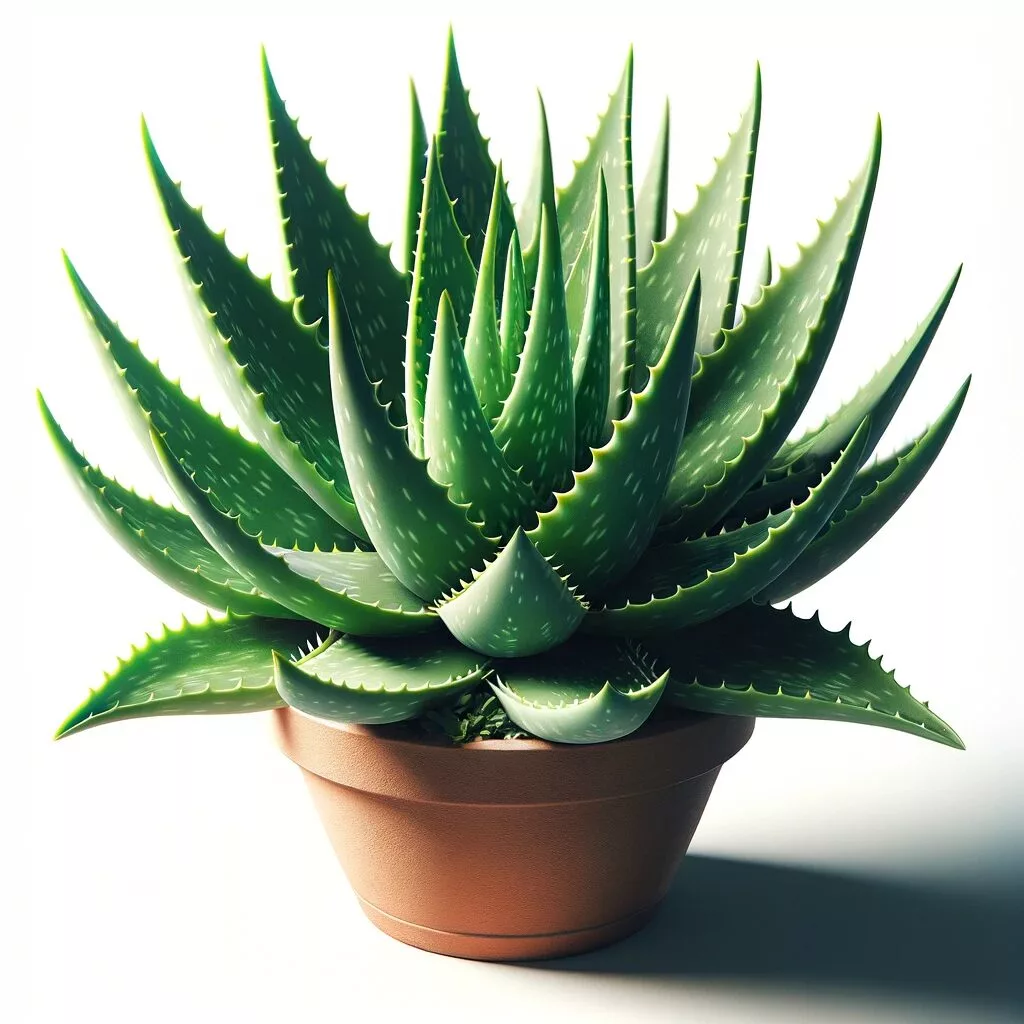
While aloe vera is known for its healing properties, it can be toxic to cats if ingested. The gel inside the plant contains saponins that can cause vomiting, diarrhea, and other gastrointestinal issues.
Poinsettia

Poinsettias are a popular holiday plant, but they can be toxic to cats if ingested. The milky sap inside the plant can cause vomiting and diarrhea.
Pothos
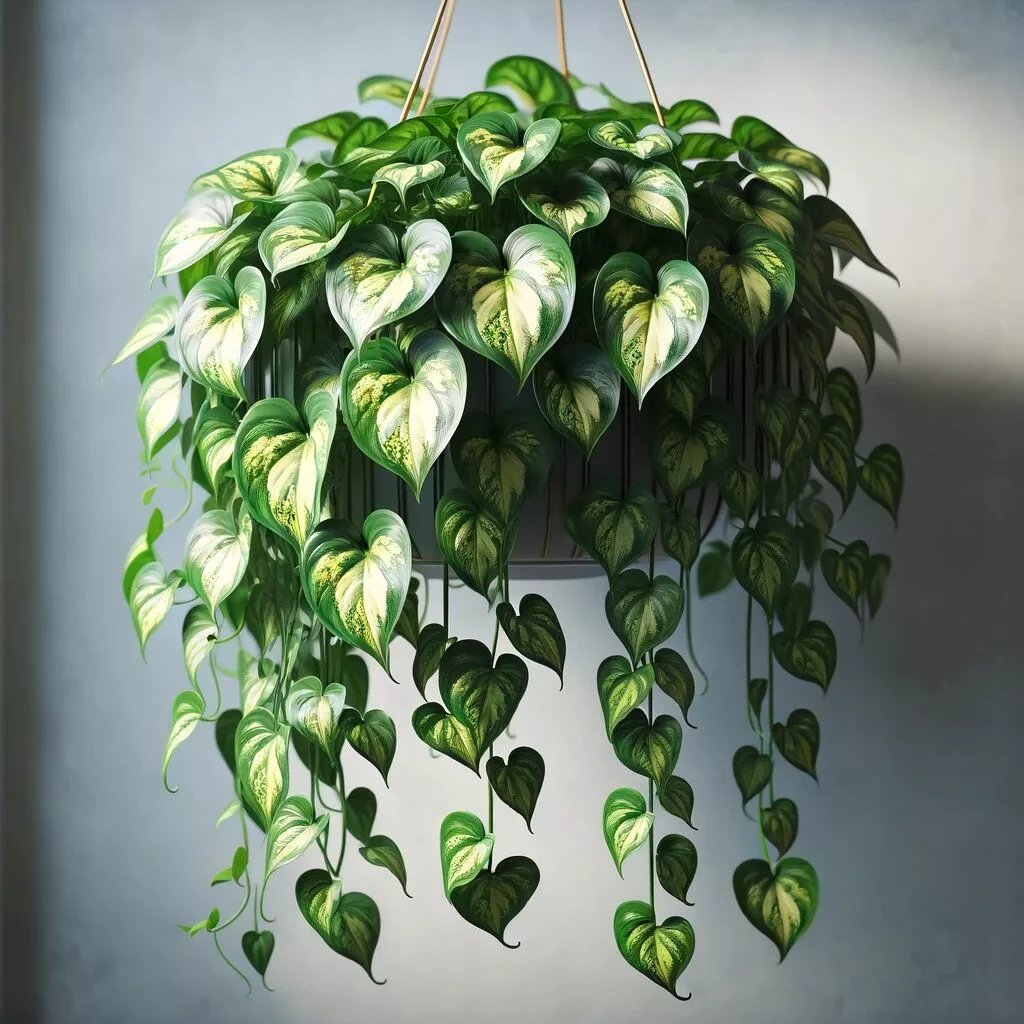
Pothos is a popular indoor plant that is easy to care for, but it can be toxic to cats if ingested.
The plant contains insoluble calcium oxalates that can cause swelling, burning, and irritation in the mouth and throat.
Snake Plant
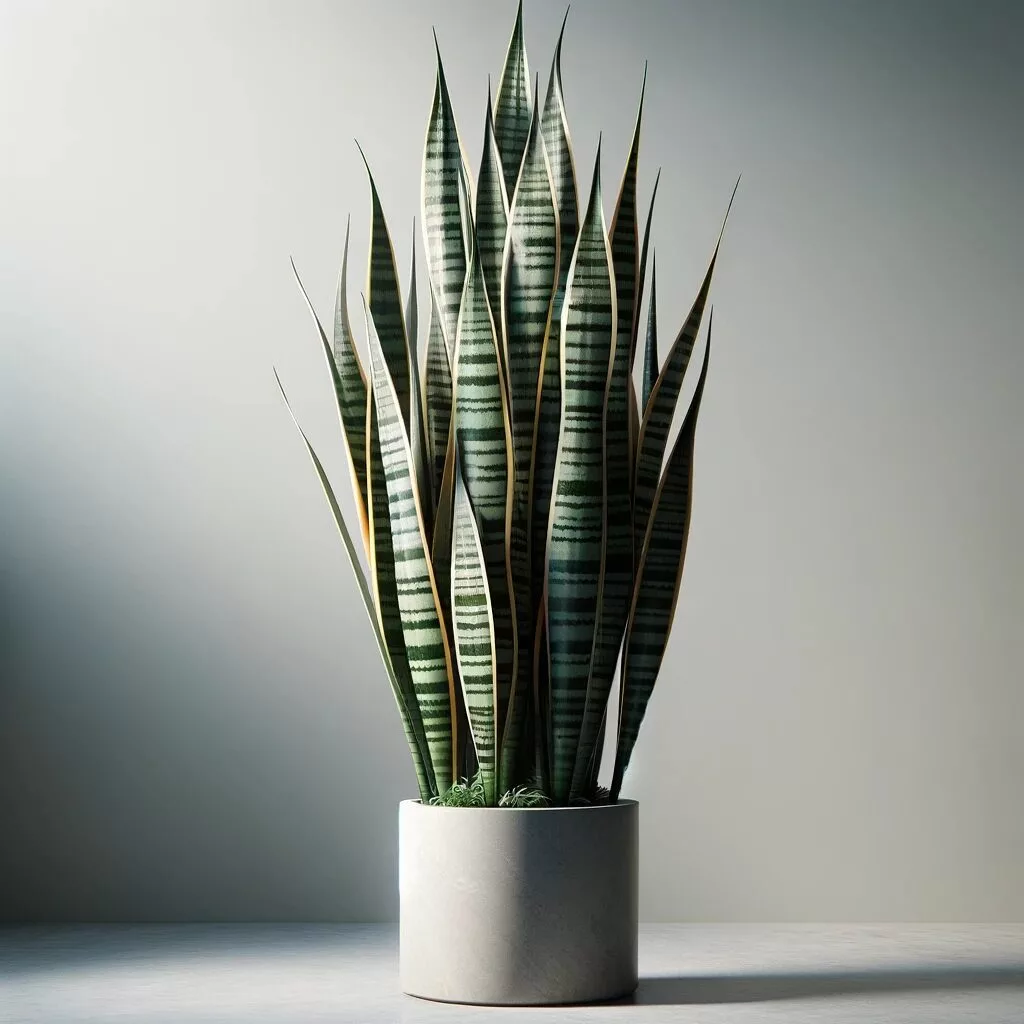
Snake plant, also known as mother-in-law’s tongue, is a hardy indoor plant that can be toxic to cats if ingested. The plant contains saponins that can cause vomiting and diarrhea.
Kalanchoe
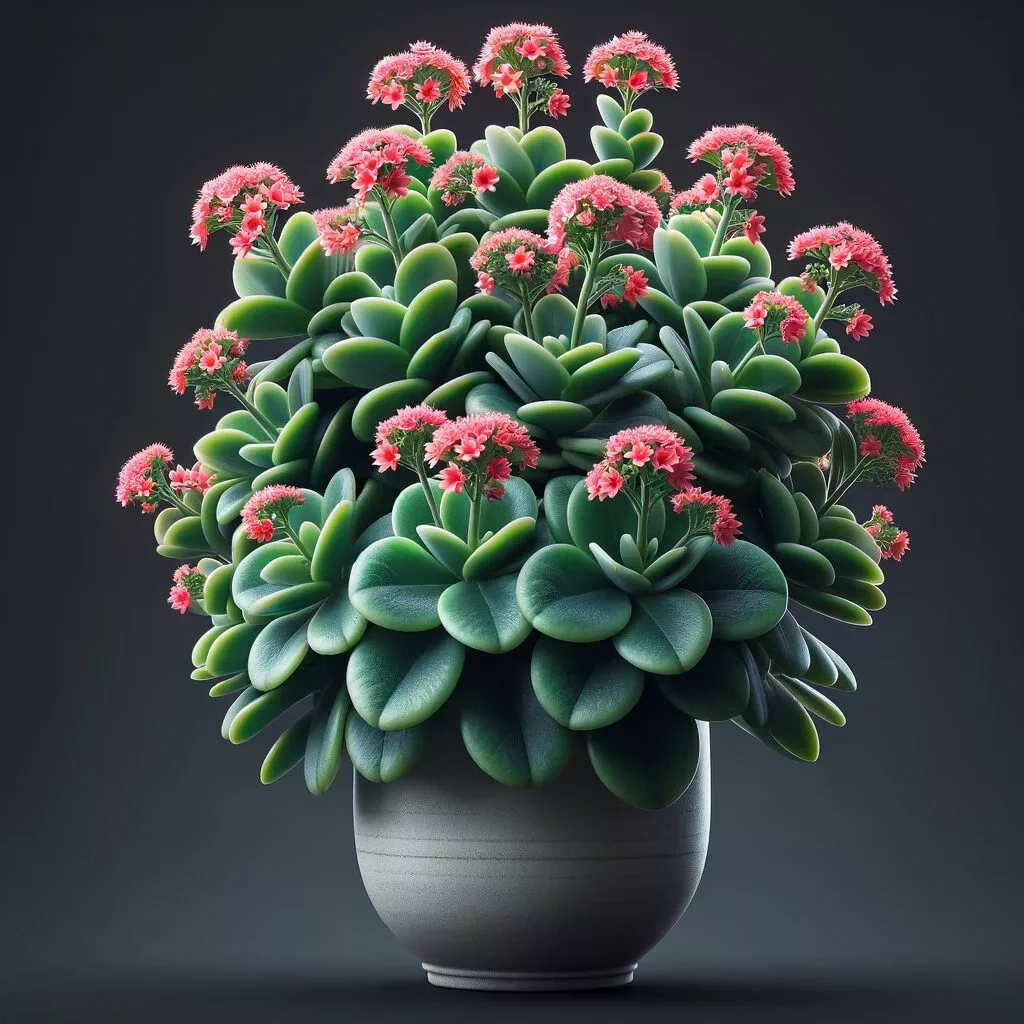
Kalanchoe is a popular indoor plant that produces colorful flowers, but it can be toxic to cats if ingested. The plant contains cardiac glycosides that can cause vomiting, diarrhea, and heart arrhythmias.
Amaryllis
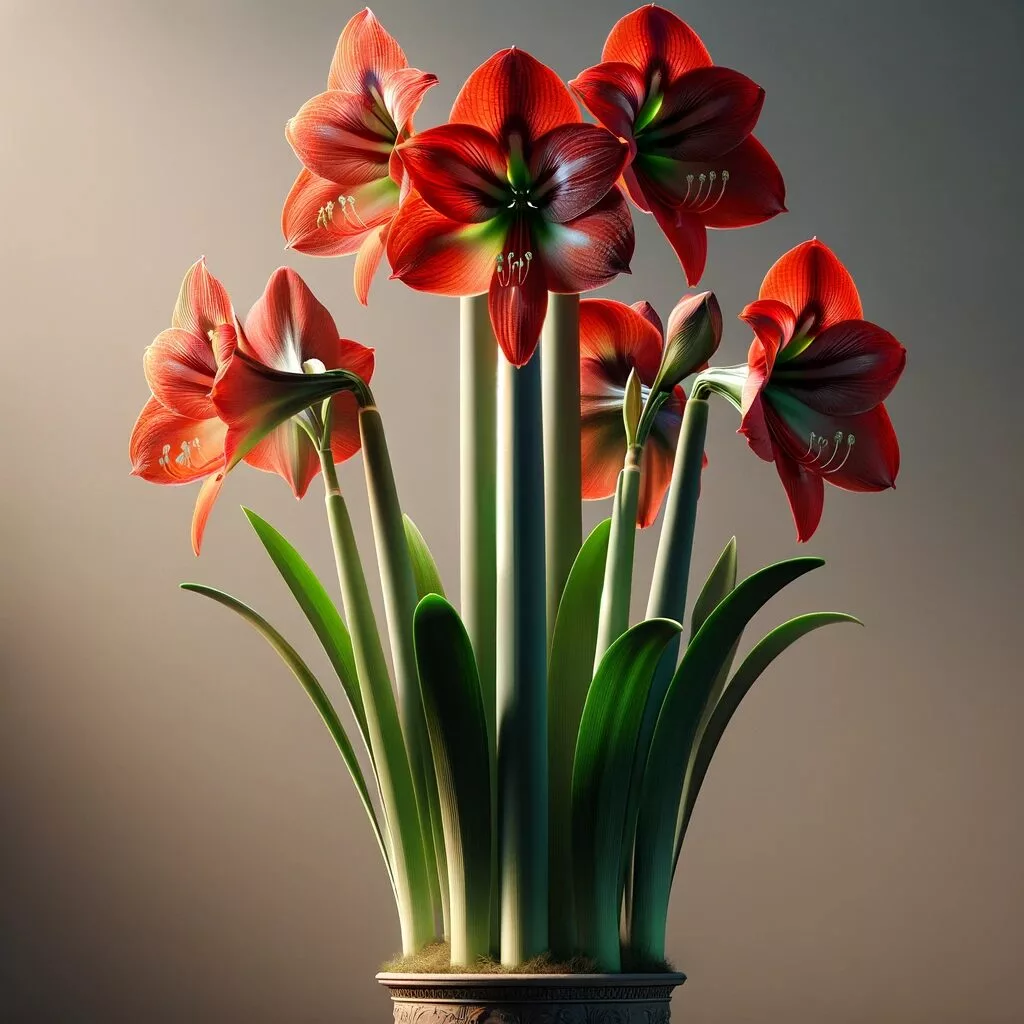
Amaryllis is a popular indoor plant that produces large, showy flowers, but it can be toxic to cats if ingested. The plant contains lycorine, a toxic alkaloid that can cause vomiting, diarrhea, and tremors.
Cyclamen
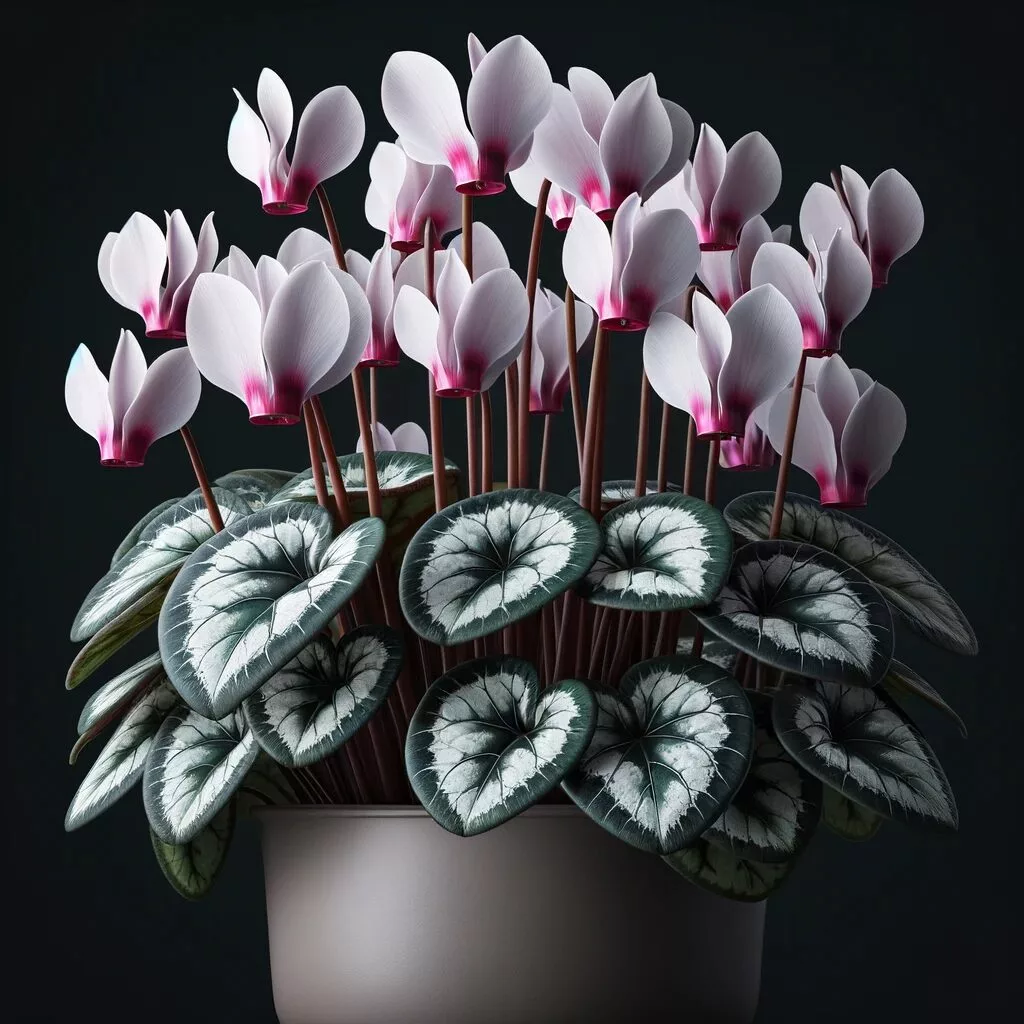
Cyclamen is a popular indoor plant that produces colorful flowers, but it can be toxic to cats if ingested. The plant contains terpenoids that can cause vomiting, diarrhea, and heart arrhythmias.
Dieffenbachia
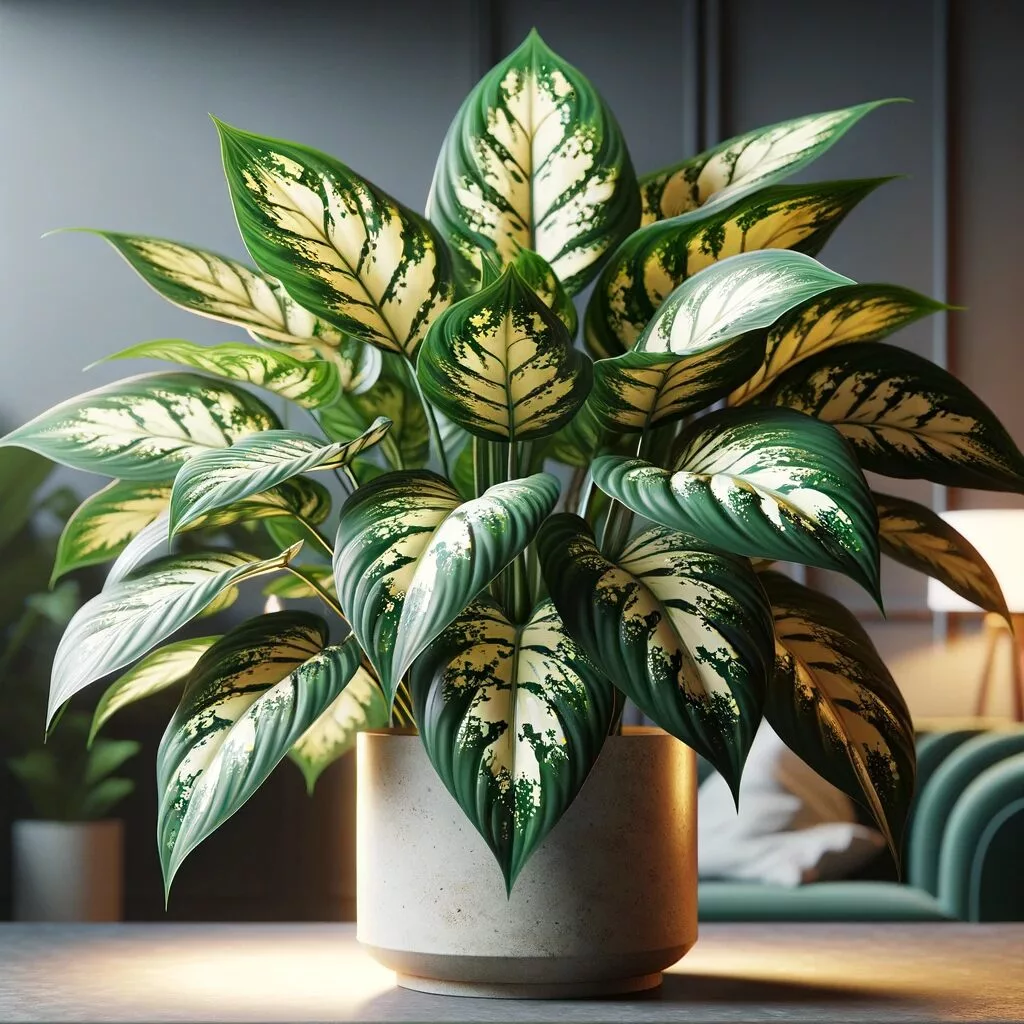
Dieffenbachia, also known as dumb cane, is a popular indoor plant that can be toxic to cats if ingested. The plant contains calcium oxalate crystals that can cause swelling, burning, and irritation in the mouth and throat.
English Ivy
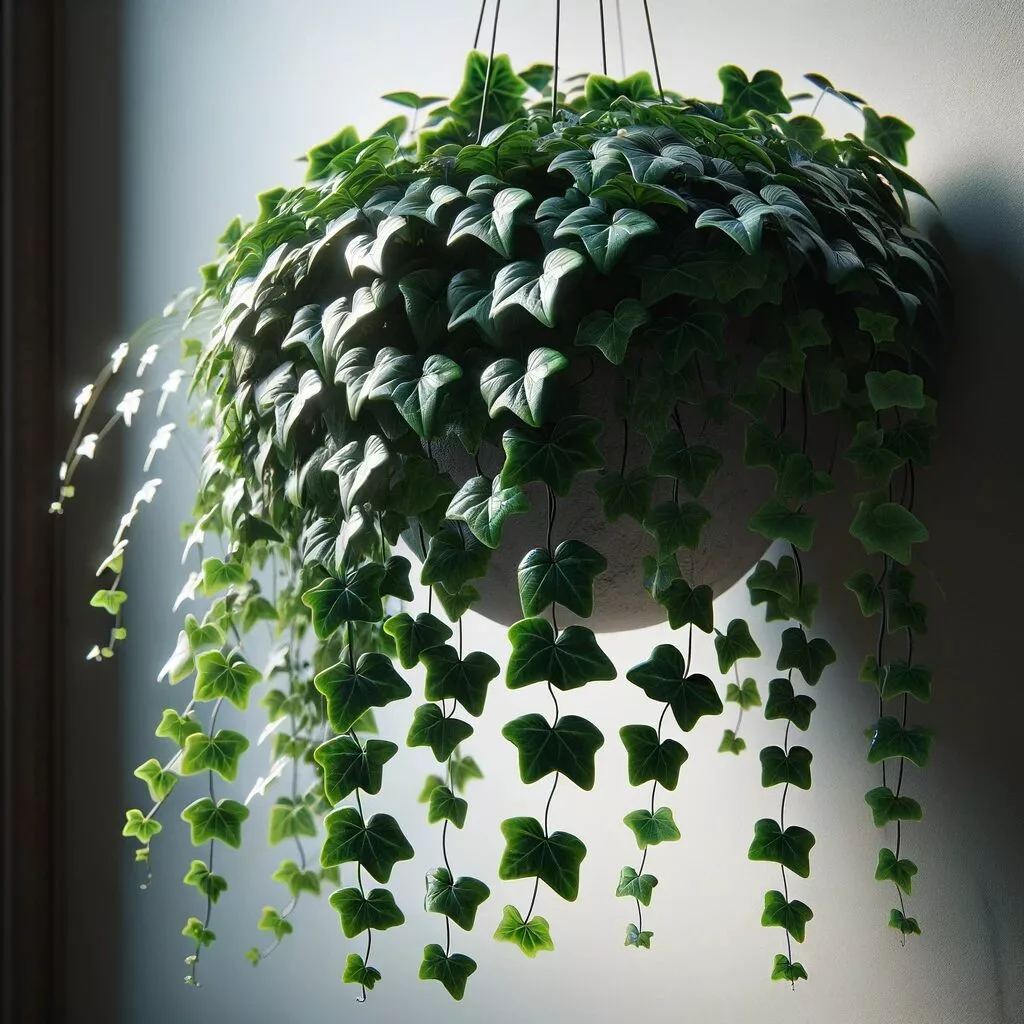
English ivy is a popular indoor plant that can be toxic to cats if ingested. The plant contains triterpenoid saponins that can cause vomiting, diarrhea, and other gastrointestinal issues.
Spathiphyllum
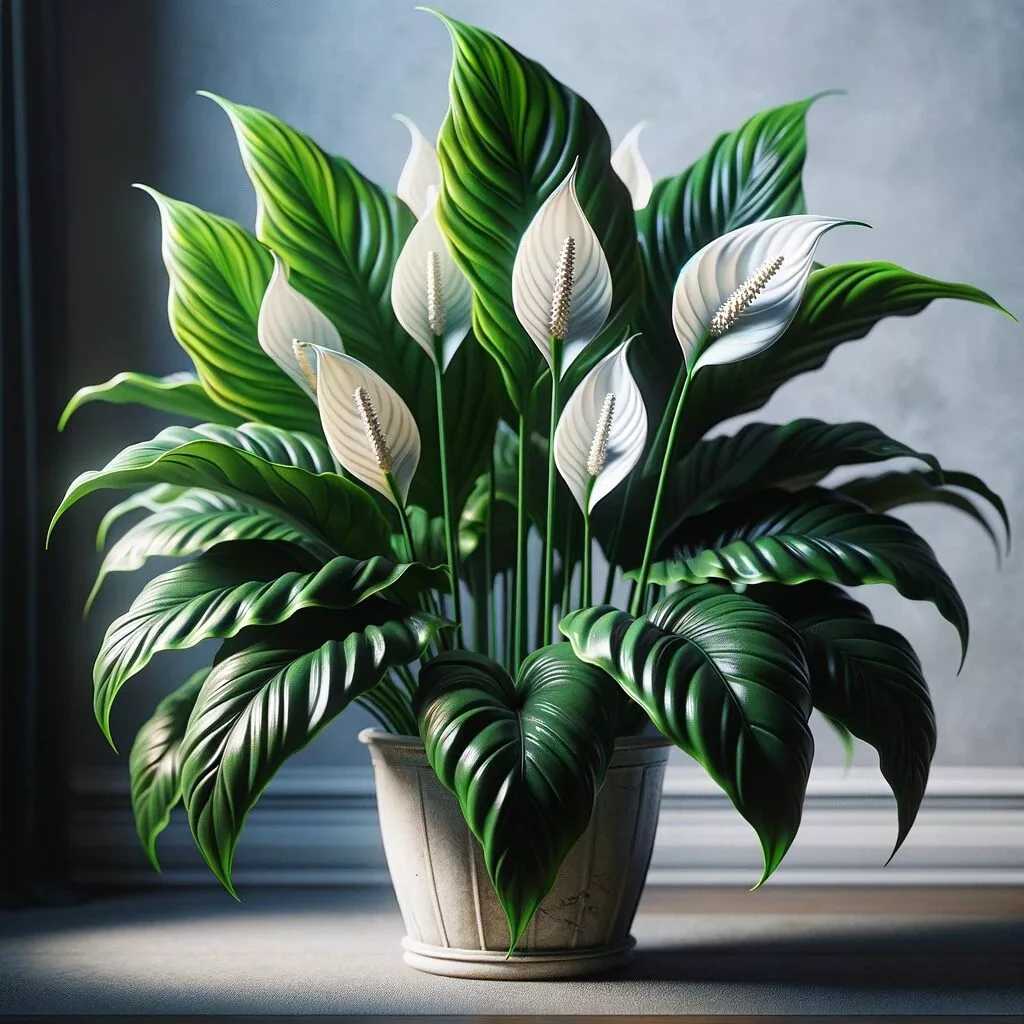
Spathiphyllum, also known as peace lily, is a popular indoor plant that can be toxic to cats if ingested. The plant contains calcium oxalate crystals that can cause swelling, burning, and irritation in the mouth and throat.
Dracaena Deremensis

Dracaena deremensis, also known as corn plant, is a popular indoor plant that can be toxic to cats if ingested. The plant contains saponins that can cause vomiting, diarrhea, and other gastrointestinal issues.
Dracaena Fragrans
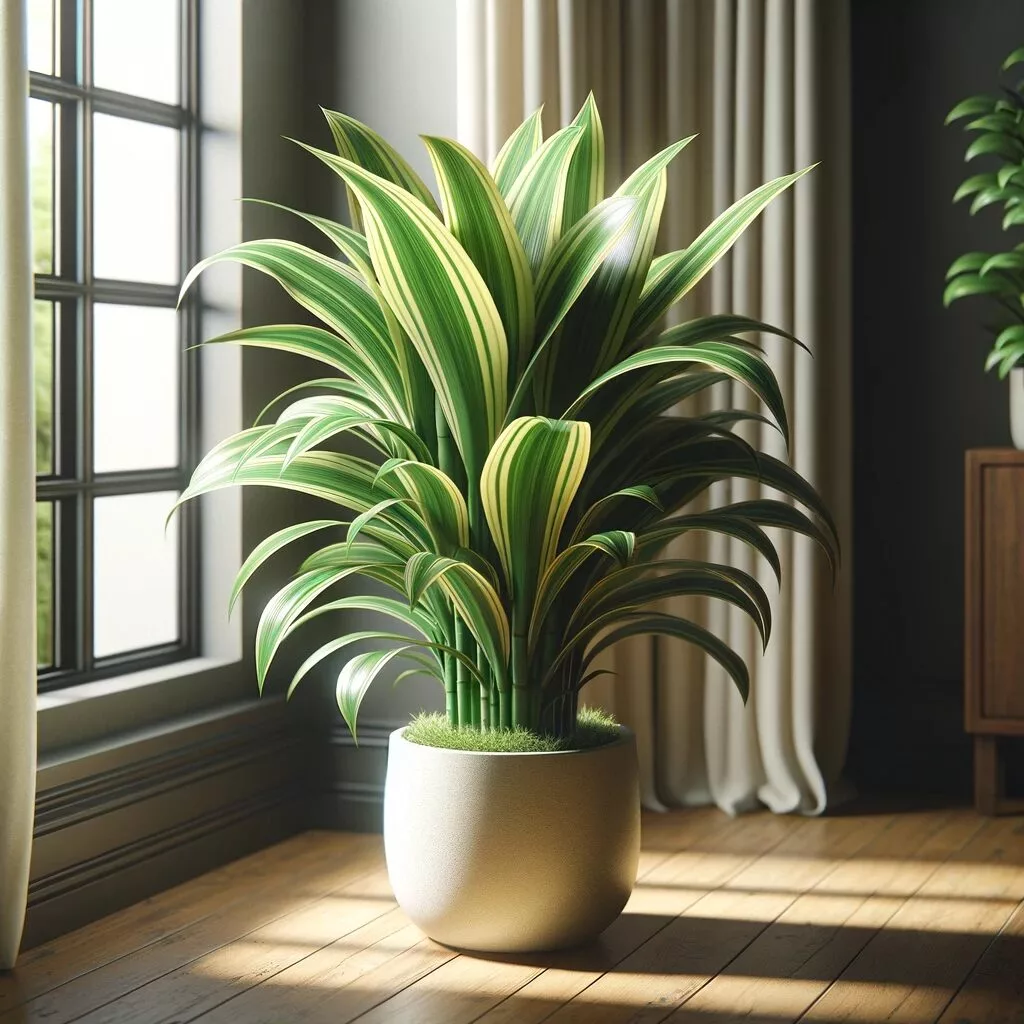
Dracaena fragrans, also known as cornstalk plant, is a popular indoor plant that can be toxic to cats if ingested. The plant contains saponins that can cause vomiting, diarrhea, and other gastrointestinal issues.
Anthurium
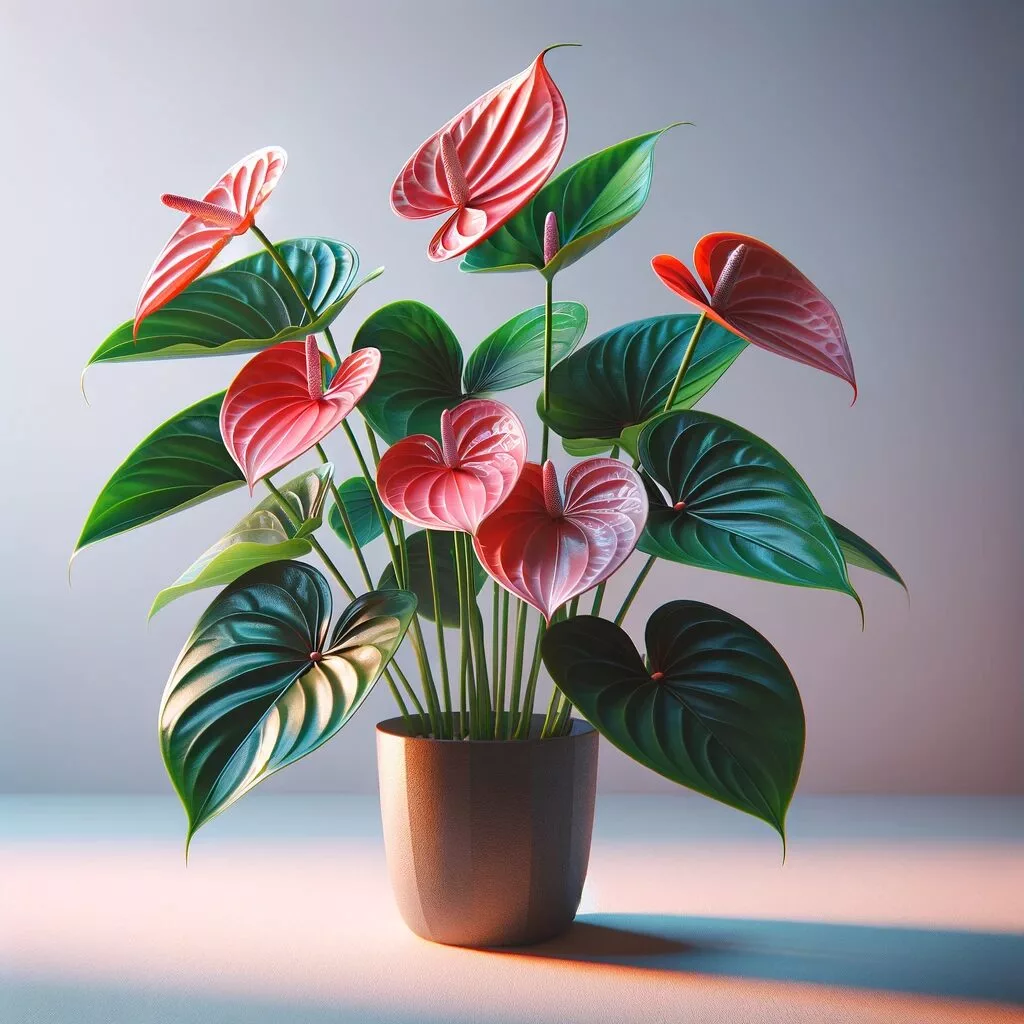
Anthurium, also known as flamingo flower, is a popular indoor plant that can be toxic to cats if ingested. The plant contains calcium oxalate crystals that can cause swelling, burning, and irritation in the mouth and throat.
Chandelier Plant

Chandelier plant, also known as string of pearls, is a popular indoor plant that can be toxic to cats if ingested. The plant contains insoluble calcium oxalates that can cause swelling, burning, and irritation in the mouth and throat.
Mother of Millions/Thousands

Mother of millions and mother of thousands are succulent plants that can be toxic to cats if ingested. The plants contain cardiac glycosides that can cause vomiting, diarrhea, and heart arrhythmias.
Panda Plant
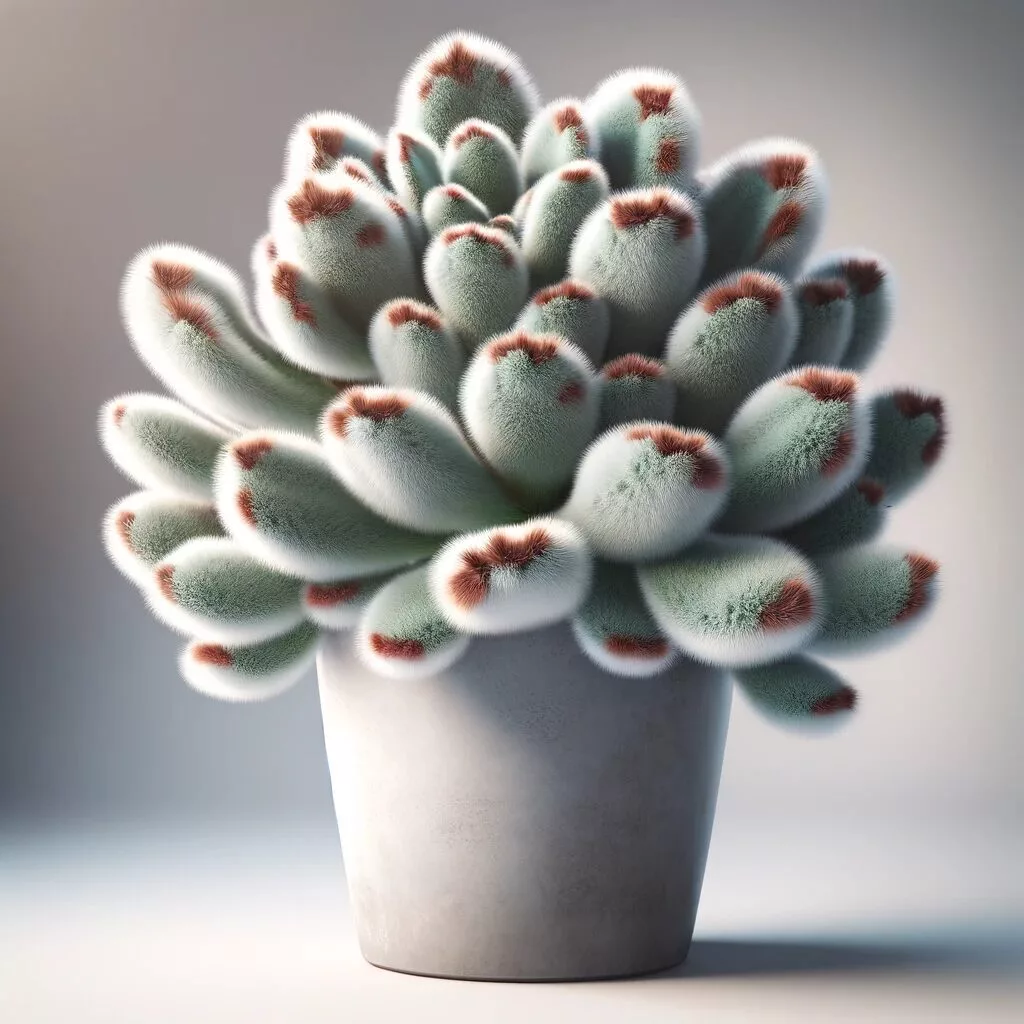
Panda plant, also known as chocolate soldier, is a popular indoor plant that can be toxic to cats if ingested. The plant contains bufadienolides that can cause vomiting, diarrhea, and heart arrhythmias.
Pencil Cactus

Pencil cactus, also known as milk bush, is a popular indoor plant that can be toxic to cats if ingested. The plant contains a toxic sap that can cause skin irritation, vomiting, and diarrhea.
Jade Plant
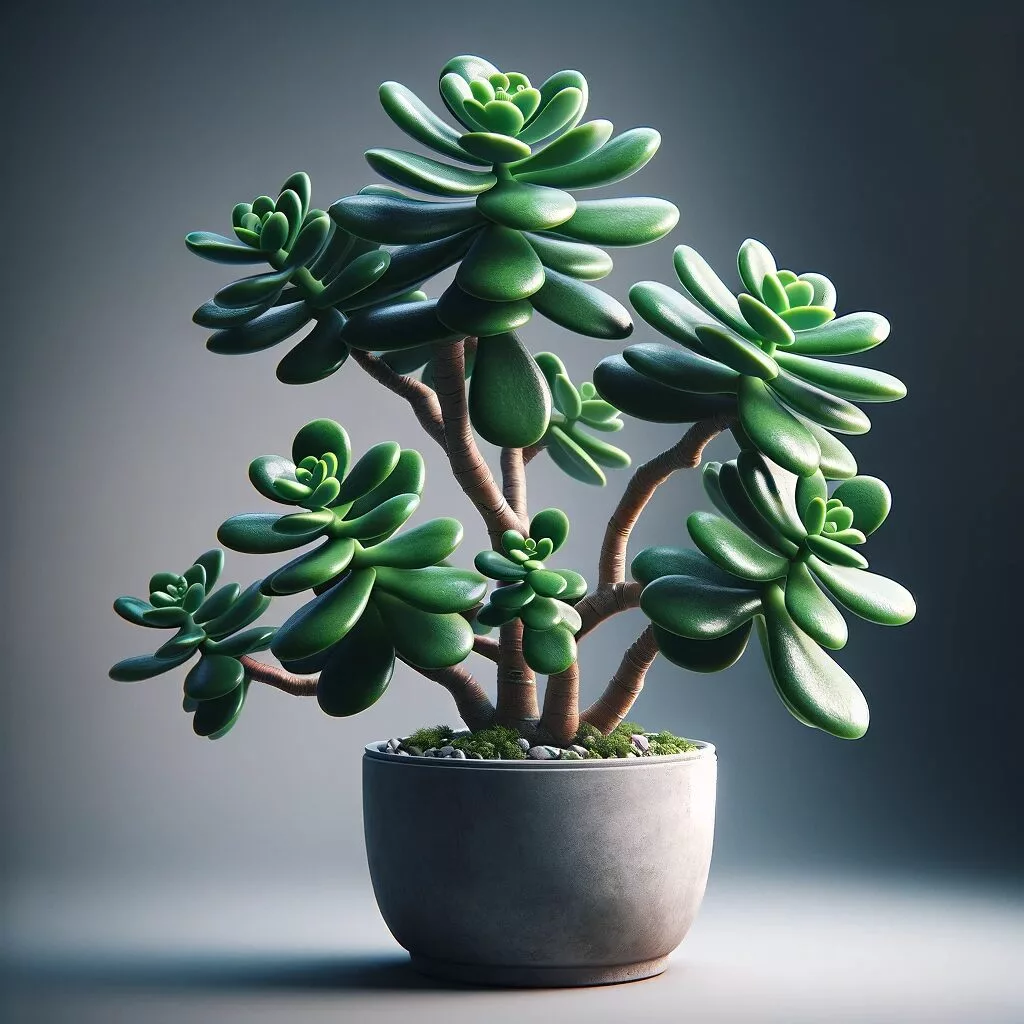
Jade plant, also known as money tree, is a popular indoor plant that can be toxic to cats if ingested. The plant contains a toxic sap that can cause vomiting, depression, and incoordination.
Spider Plant
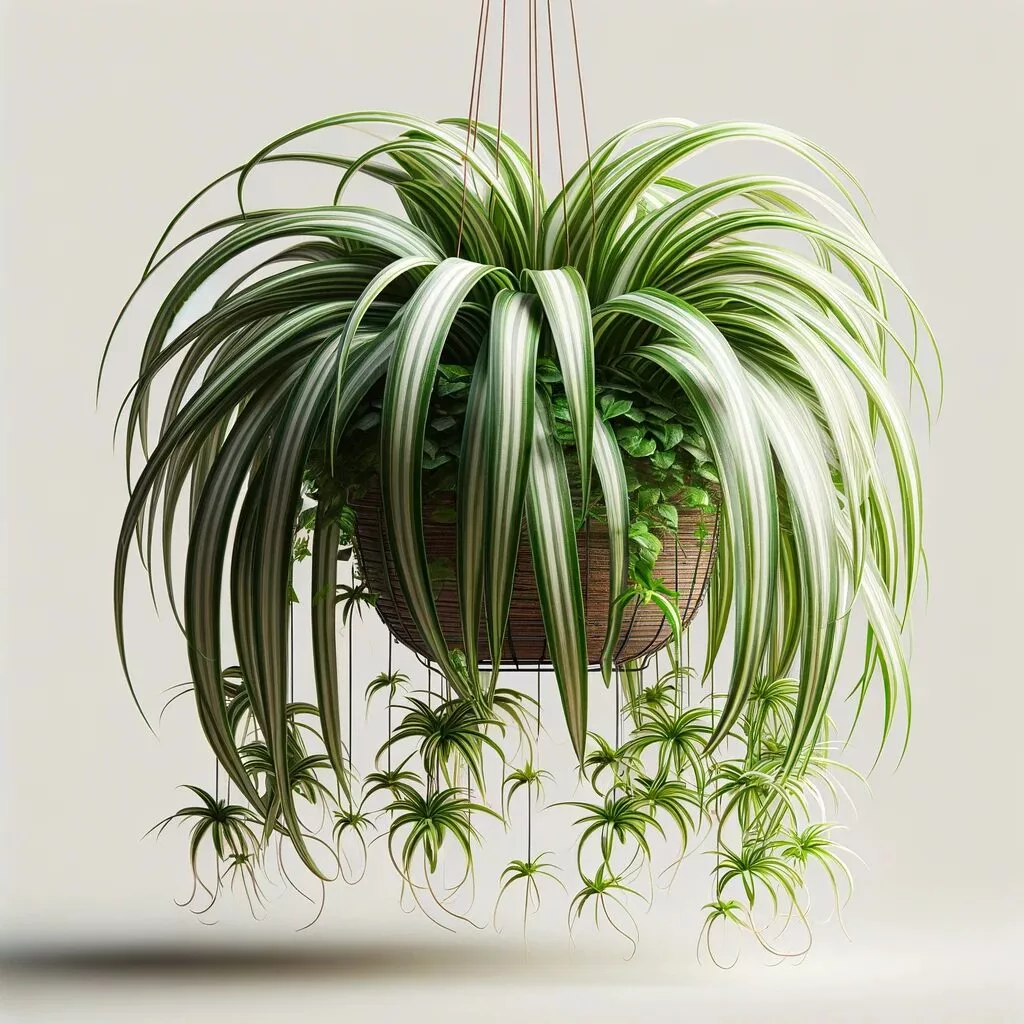
Spider plant is a popular indoor plant that is safe for cats to be around, but it can cause mild stomach upset if ingested.
Outdoor Plants Hazardous to Cats
As much as we love our feline friends, they can be very curious and love to explore their surroundings, including the plants in our gardens. Unfortunately, some outdoor plants can be hazardous to cats and cause serious health issues if ingested. Here’s a list of some of the most common outdoor plants that are toxic to cats:
- Lilies: Lilies are highly toxic to cats and can cause kidney failure even in small amounts. This includes Easter lilies, tiger lilies, Asiatic lilies, and Stargazer lilies.

- Daffodils: Daffodils contain toxic chemicals that can cause vomiting, diarrhea, abdominal pain, and even heart arrhythmias if ingested by cats.
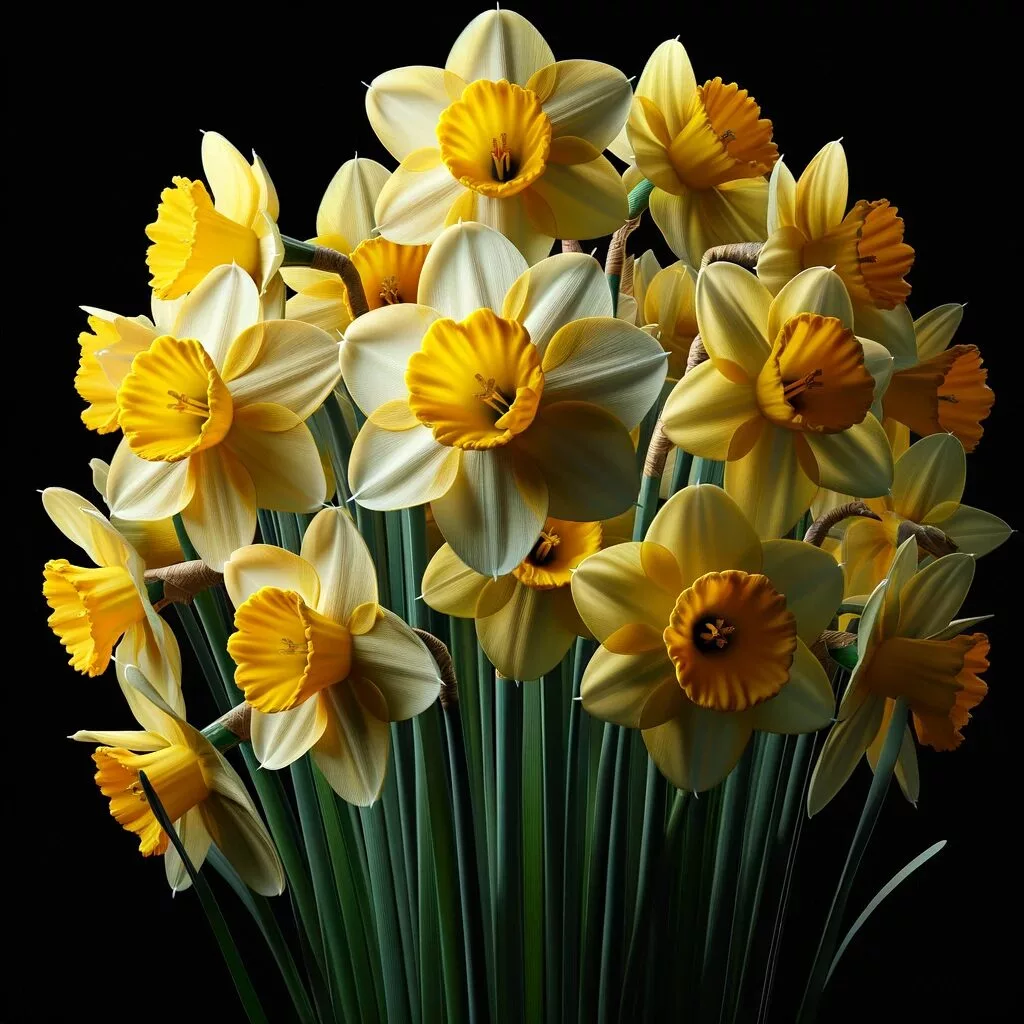
- Tulips and Narcissus: Tulips and Narcissus contain toxic chemicals that can cause vomiting, diarrhea, and even heart problems if ingested by cats.

- Sago Palm: Sago Palm is highly toxic to cats and can cause liver failure if ingested in large amounts. All parts of the plant are toxic, including the leaves, seeds, and roots.

- Chrysanthemum: Chrysanthemum contains toxic chemicals that can cause vomiting, diarrhea, and even depression of the central nervous system if ingested by cats.

- Autumn Crocus: Autumn Crocus contains toxic chemicals that can cause vomiting, diarrhea, and even organ failure if ingested by cats.

- Bird of Paradise: Bird of Paradise contains toxic chemicals that can cause vomiting, diarrhea, and even depression of the central nervous system if ingested by cats.

- Iris: Iris contains toxic chemicals that can cause vomiting, diarrhea, and even depression of the central nervous system if ingested by cats.

- Asparagus Fern: Asparagus Fern contains toxic chemicals that can cause vomiting, diarrhea, and even depression of the central nervous system if ingested by cats.
- Roses: Roses are not toxic to cats, but the thorns can cause injury if cats try to eat them or play with them.
It’s important to note that this is not an exhaustive list of plants that are toxic to cats. If you’re unsure whether a plant is safe for your cat, it’s best to err on the side of caution and keep it out of reach. If you suspect your cat has ingested a toxic plant, seek veterinary care immediately.
Toxicity of Lilies to Cats
Lilies are extremely toxic to cats. All parts of the plant, including petals, stems, leaves, and pollen contain substances that can cause severe health problems in cats. The toxins in lilies can lead to acute kidney injury or failure, which can be fatal if not treated promptly.
There are several species of lilies that are toxic to cats, including Easter lilies, tiger lilies, day lilies, rubrum lilies, stargazer lilies, and wood lilies. Even small amounts of these plants can cause serious harm to cats.
It is important to note that not all plants with the name “lily” are toxic to cats. Calla lilies and peace lilies, for example, do not contain the same toxins as true lilies. However, it is always best to err on the side of caution and keep all lilies away from cats.

If you suspect that your cat has ingested any part of a lily plant, it is important to seek veterinary care immediately. Symptoms of lily poisoning in cats can include vomiting, loss of appetite, lethargy, dehydration, and changes in urination. Early treatment can help prevent serious complications and improve the chances of a full recovery.
In summary, lilies are highly toxic to cats and can cause severe health problems, including acute kidney injury or failure. All parts of the plant should be kept away from cats, and immediate veterinary care should be sought if ingestion is suspected.
Safe Alternatives for Cats
As cat owners, we want to provide our furry friends with a safe environment to live in. While there are many plants that are toxic to cats, there are also plenty of safe alternatives that can add beauty and greenery to our homes without putting our cats at risk.
One popular option for safe plants is non-toxic varieties.
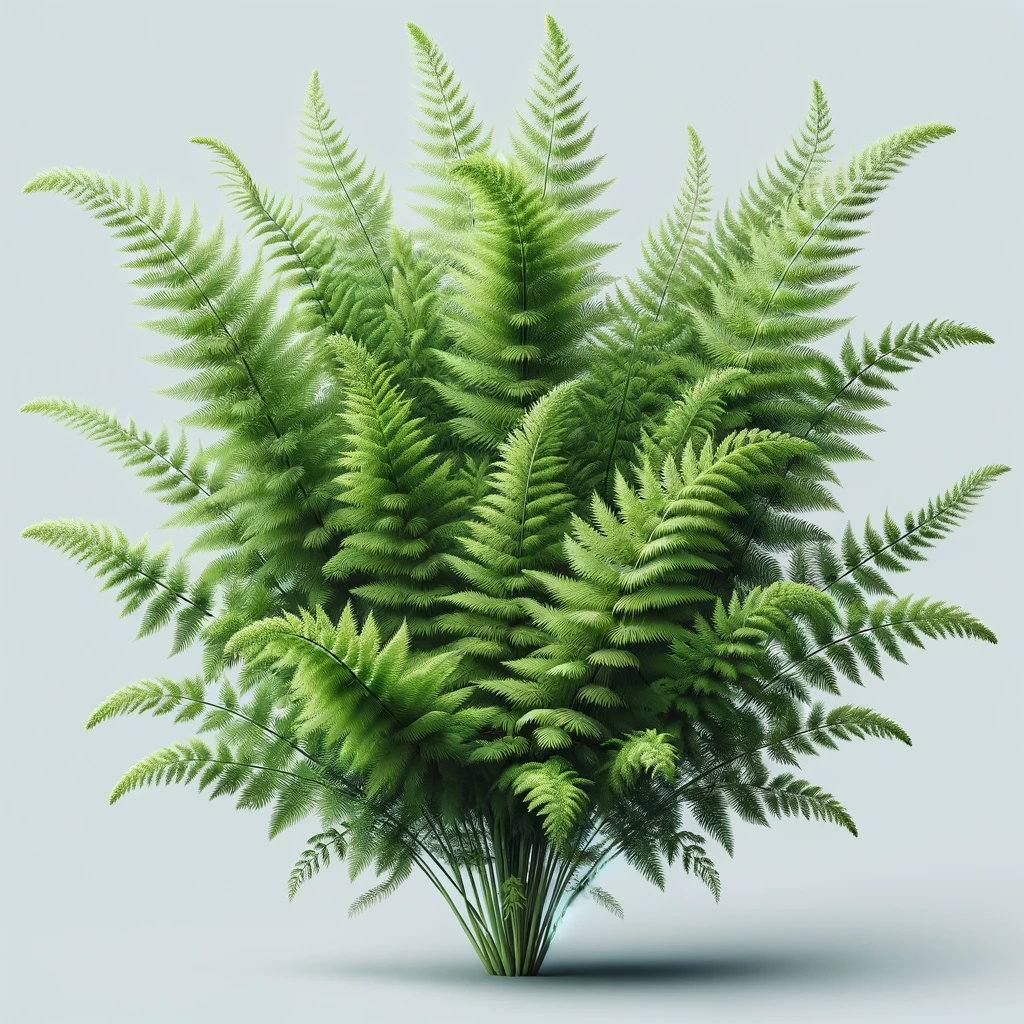
Some examples of non-toxic plants include Boston ferns, and African violets. These plants not only add color and texture to our homes, but they also help purify the air.
Another safe option is to grow herbs that are safe for cats.
Catnip is a well-known herb that cats love, but there are also other herbs that are safe for cats to nibble on, such as rosemary. Not only do these herbs add flavor to our meals, but they also provide a safe and healthy snack for our cats.
If you are looking for a safe flower to add to your home, roses are a good option. While some varieties of roses can be harmful to cats, there are many other varieties that are safe. Just be sure to do your research before purchasing any plants to ensure they are safe for your cat.
In addition to these options, there are also many other safe plants that can be found at your local nursery or garden center. When selecting plants, be sure to read the labels and ask the staff for advice to ensure you are choosing safe options for your cat.
By incorporating safe plants into our homes, we can create a beautiful and healthy environment for both ourselves and our furry friends.
Taking Action: What to Do If Your Cat Ingests a Toxic Plant
If you suspect that your cat has ingested a toxic plant, it’s important to take immediate action. Here are some steps you can take:
- Remove any remaining plant material from your cat’s mouth, fur, or skin. Use gloves to protect yourself if necessary.
- Contact your veterinarian or an emergency veterinary clinic as soon as possible. They can provide guidance on what to do next and may recommend that you bring your cat in for treatment.
- If your veterinarian recommends inducing vomiting, do not attempt to do this at home without their guidance. Improperly inducing vomiting can be dangerous and may make the situation worse.
- Be prepared to provide your veterinarian with information about the plant your cat ingested, including its name and any identifying characteristics.
- Follow your veterinarian’s instructions carefully. Depending on the severity of your cat’s symptoms, they may recommend hospitalization or other forms of treatment.
- Monitor your cat closely for any changes in behavior or symptoms. Some toxic plants can cause kidney failure or other serious complications that may not be immediately apparent.
It’s important to remember that ingesting a toxic plant can be a serious and potentially life-threatening situation for your cat. If left untreated, it can lead to organ damage, seizures, and even death. By taking quick and decisive action, you can help ensure the best possible outcome for your furry friend.
Note: All images of the plants are generated by AI.
Frequently Asked Questions
What are some common toxic plants for cats?
There are many common plants that are toxic to cats. Some of the most common ones include lilies, tulips, daffodils, azaleas, and chrysanthemums. Other plants that are toxic to cats include aloe vera, ivy, and poinsettias.
Are there any non-toxic plants for cats?
Yes, there are many non-toxic plants that are safe for cats. Some examples include spider plants, Boston ferns, African violets, and Christmas cactus. However, even non-toxic plants can cause stomach upset if ingested in large quantities.
What are some Australian native plants that are toxic to cats?
Some Australian native plants that are toxic to cats include the lily pilly, oleander, and the native hibiscus. It’s important to research any plants that you plan to bring into your home or garden to ensure they are safe for your pets.
How can I identify if a plant is toxic to my cat?
There are many resources available online that can help you identify whether a plant is toxic to cats. The ASPCA has a comprehensive list of toxic and non-toxic plants for cats, which can be a helpful resource. If you’re unsure about a specific plant, it’s always best to err on the side of caution and keep it out of reach of your pets.
What are the top 10 poisonous plants for dogs that are also toxic to cats?
Some of the top 10 poisonous plants for dogs that are also toxic to cats include lilies, azaleas, oleander, sago palm, and tulips. It’s important to note that not all toxic plants affect cats and dogs in the same way, and some plants may be more toxic to one species than the other.
Which flower is the most toxic to cats?
The lily is considered to be one of the most toxic flowers for cats. All parts of the plant, including the leaves, flowers, and pollen, can cause kidney failure in cats if ingested. Other toxic flowers for cats include tulips, daffodils, and chrysanthemums.
