
In the world of feline companions, few breeds captivate hearts as the Ragdoll does. With their mesmerising blue eyes and affectionate nature, it’s no surprise that many potential pet owners are eager to welcome one into their homes.
This price isn’t just about purchasing a pet; it reflects a commitment to quality, health, and the enduring lineage of the breed. From the bustling streets of Sydney to the serene landscapes of Tasmania, the demand for these feline beauties has surged.
Yet, as with all investments, it’s essential to discern what factors influence the ragdoll kitten cost and how it corresponds to the value received.
Dive with us into the intricacies behind the pricing and discover what awaits when seeking a Ragdoll kitten as your perfect companion.
When it comes to buying a Ragdoll kitten, one of the most common questions is how much they should cost. The price of a Ragdoll kitten can vary depending on several factors, including the breeder, location, and pedigree.
In Australia, you can expect to pay anywhere from AU$1,800 to AU$2,600 for pet quality and up to AU$4,000 for show or breed quality for a Ragdoll that has pedigree papers from purebred parents.
However, it’s important to note that not all breeders are created equal, and it’s important to do your research to ensure you’re getting a healthy and well-bred kitten.
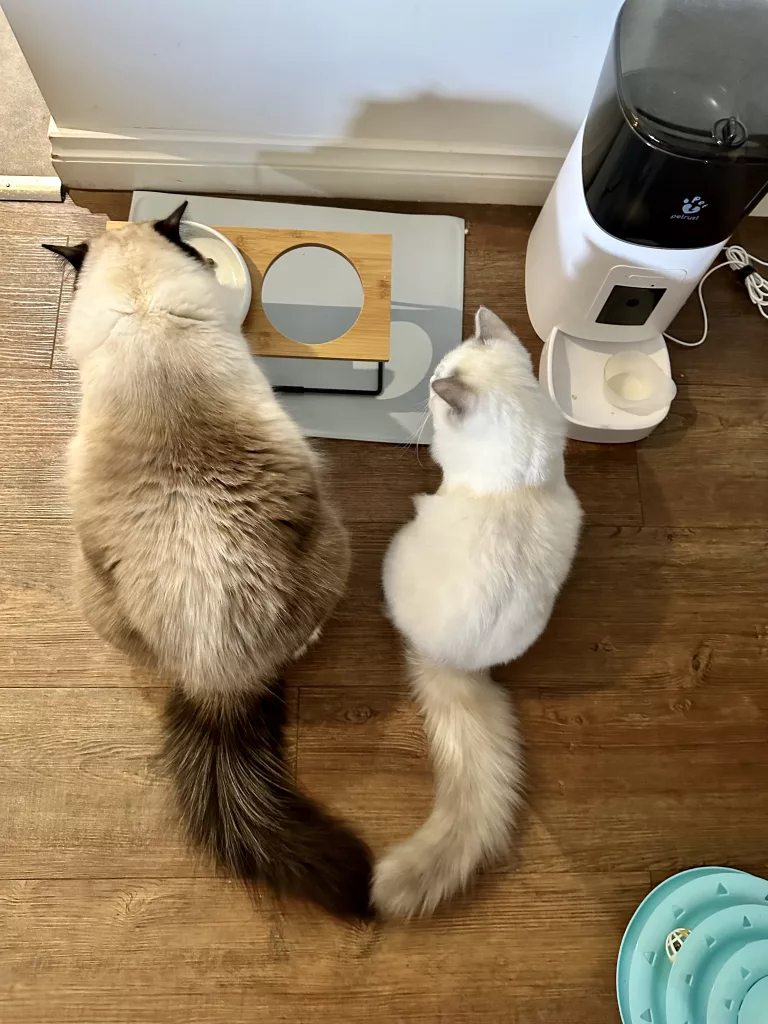
Hugo, our seal-bicolor Ragdoll, is a show-quality cat that we purchased from another state. Therefore, he is on the higher end of the price range for Ragdoll cats. Missy, our blue-bicolor Ragdoll, is a pet-quality cat, so she is in the middle of the price range. Sometimes, breeders will add travel or transfer costs to the price of a cat, depending on where the buyer is located.
It’s also worth noting that the cost of a Ragdoll kitten is just the beginning of the expenses associated with owning a cat. You’ll also need to factor in ongoing costs such as food, litter, toys, and veterinary care.
Ragdolls are a large breed of cat, and as such, they may require more food than smaller breeds. Additionally, they may be more prone to certain health issues, so it’s important to budget for regular check-ups and any necessary medical treatments.
Overall, while the cost of a Ragdoll kitten may seem steep, it’s important to consider the long-term expenses associated with cat ownership before making a purchase.
What you'll learn from this article
Ragdoll Kitten Cost
When it comes to getting a Ragdoll kitten, the cost can vary depending on several factors.
Generally, a Ragdoll kitten in Australia can range from $1,800 to $2,600 or more if you adopt from a legitimate ragdoll breeder. Please note that if you want to purchase a purebred Ragdoll kitten from a reputable breeder, you can expect to pay a higher price. The cost of a purebred Ragdoll kitten will depend on the breeder and the kitten’s lineage.

If you want to adopt a Ragdoll kitten from a shelter, the cost will likely be on the lower end of the spectrum. Adoption fees can vary depending on the shelter or rescue organization, but typically range from $100 to $500. Keep in mind that adoption fees often include vaccinations, spaying or neutering, and other necessary medical treatments.
It’s important to do your research when looking for a Ragdoll cat breeder. Make sure they are reputable and have a good track record of breeding healthy, well-socialized kittens. You can also ask to see the kitten’s parents and their medical records to ensure they are free of any genetic health issues.
Keep in mind that show-quality kittens may cost more than pet-quality kittens. Show-quality kittens are bred to meet specific breed standards and have a higher chance of winning in cat shows.
In summary, the cost of a Ragdoll kitten can vary depending on whether you adopt or purchase from a breeder, the kitten’s lineage, and whether you are looking for a pet or show-quality kitten.
It’s important to do your research and choose a reputable breeder to ensure you are getting a healthy, well-socialized kitten.
Ragdoll cats, known for their striking blue eyes, gentle temperament, and dog-like loyalty, have been steadily increasing in popularity around the world, and Australia is no exception.
As with many things in life, the phrase “you get what you pay for” often rings true when purchasing a Ragdoll kitten, but understanding the factors influencing the cost can ensure you’re making an informed decision.
Here are some factors you need to consider.
1. Breeding and Lineage
At the top end of the price scale are kittens bred for show quality. These kittens come from champion lines and exhibit the ideal characteristics of the Ragdoll breed. Their pedigree is an assurance of their quality, and breeders of such cats often invest significant amounts of money and time into maintaining these bloodlines. Prices for these kittens in Australia can range from $2,000 to $3,500 or even higher.
2. Health Screening and Vaccinations
A responsible breeder will ensure that their kittens undergo health checks and are free from genetic disorders commonly associated with the breed. Additionally, the cost often includes the initial vaccinations, microchipping, desexing, and sometimes even worming and flea treatments. Purchasing a kitten with all these health assurances and initial care might set you back between $1,500 and $2,500.
3. Reputation of the Breeder
Well-established breeders who have been in the business for years and have a track record of producing healthy, well-tempered kittens typically charge more. Their experience, dedication to the breed, and commitment to ethical breeding practices can justify the higher price tag.
4. Inclusions with Purchase
Some breeders offer starter packs containing toys, food samples, and care guides. Others might provide ongoing support or even a return policy if the kitten doesn’t adapt well to its new home. These inclusions and assurances can influence the overall cost of the kitten.
5. Supply and Demand
The popularity of the Ragdoll breed in Australia has seen a surge in recent years. With more people wanting to welcome a Ragdoll into their homes, demand can outstrip supply, especially when looking for reputable breeders. This can inevitably lead to a hike in prices, particularly during times when there are fewer litters available.
6. Geographical Location
Lastly, where you are in Australia can also play a role in how much you’ll pay for a Ragdoll kitten. Major cities or areas with higher living costs might see prices elevated compared to more regional areas.
Other Factors You Need To Consider When You Tally Your Ragdoll Kitten Cost
Not only are you spending to bring a loving furbaby into your home and family, you will also pay attention to other important needs of your ragdoll kitten that will need some financial priorities for you.
Nutritional Needs of a Ragdoll Kitten
As a Ragdoll kitten owner, it’s essential to understand your kitten’s nutritional needs to ensure they grow up healthy and strong. Here are some important things to keep in mind:
Wet Food
Nutritionists recommend that Ragdoll kittens should consume whole-meat-based wet food regularly. Wet food is an excellent source of moisture, which is crucial for the cat’s urinary tract health. It also helps to prevent constipation and dehydration.
Protein
Protein is essential for the growth and development of your Ragdoll kitten. According to nutritionists, Ragdoll kittens should consume over 50% animal protein in their diet. This protein should come from high-quality sources like chicken, turkey, and fish.
Fats
Fats are another crucial component of a Ragdoll kitten’s diet. They provide energy, help absorb vitamins, and support the immune system. Nutritionists recommend that Ragdoll kittens should consume about 20% fats in their diet.
Carbs
Ragdoll kittens don’t require a lot of carbohydrates in their diet. In fact, nutritionists recommend that they should consume no more than 3% carbs. This is because cats are obligate carnivores, which means they require a diet high in protein and low in carbs.
Daily Ration
The amount of food your Ragdoll kitten needs will depend on their age, weight, and activity level. In general, Ragdoll kittens need about 1/2 to 3/4 can of wet food per day. It’s important to keep in mind that they have big appetites, so don’t be surprised if they eat more than you expect.
Weaning
Ragdoll kittens should be weaned onto solid food gradually. This process should start at around 4-5 weeks of age and be completed by 8 weeks. During this time, it’s essential to provide your kitten with high-quality wet food and monitor their weight gain.
Calories
Ragdoll kittens should get 90 percent of their energy from proteins and fats. In general, a Ragdoll kitten needs about 162 kcal/day if they weigh 0.9 kg (3 lbs) and 225 kcal/day if they weigh 1.4 kg (4 lbs). However, it’s essential to monitor your kitten’s weight gain and adjust their diet accordingly.
In summary, a Ragdoll kitten’s diet should replicate the nutrition profile of the natural feline diet, with over 50% animal protein, 20% fat, and no more than 3% carbs. By providing your kitten with high-quality wet food and monitoring their weight gain, you can ensure they grow up healthy and strong.
Health Considerations for Ragdoll Kittens
As with any breed, Ragdoll kittens require proper healthcare and attention to maintain their health and wellbeing. Here are some health considerations to keep in mind when caring for your Ragdoll kitten:
Bladder Stones
Ragdoll kittens are prone to developing bladder stones, which can cause discomfort and pain. To prevent this, it’s important to ensure that your kitten is drinking enough water and is on a balanced diet that is low in magnesium.
Diabetes
Obesity is a risk factor for diabetes in cats, and Ragdoll kittens are no exception. It’s important to monitor your kitten’s weight and ensure they are getting enough exercise to prevent obesity and reduce the risk of diabetes.
Constipation
Ragdoll kittens are also prone to constipation, which can be caused by a lack of fiber in their diet or dehydration. To prevent this, make sure your kitten is drinking enough water and is on a balanced diet that includes fiber-rich foods.
Irritable Bowel Syndrome
Irritable bowel syndrome (IBS) can cause digestive issues in cats, including diarrhea and vomiting. If your Ragdoll kitten is experiencing these symptoms, it’s important to take them to the vet for a proper diagnosis and treatment.
Cystitis
Cystitis is a common urinary tract infection in cats that can cause pain and discomfort. To prevent this, make sure your kitten is drinking enough water and is on a balanced diet that is low in magnesium.
Hypertrophic Cardiomyopathy
Hypertrophic cardiomyopathy (HCM) is a heart condition that is common in Ragdoll cats. It’s important to take your kitten to the vet for regular check-ups to monitor their heart health and detect any signs of HCM early.
Obesity and Weight Gain
Obesity and weight gain can lead to a range of health issues in cats, including diabetes and joint problems. To prevent this, monitor your kitten’s weight and ensure they are getting enough exercise and a balanced diet.
Healthcare and Vet Visits
Regular healthcare and vet visits are essential for maintaining your Ragdoll kitten’s health and wellbeing. Make sure to schedule regular check-ups and vaccinations, and take your kitten to the vet if you notice any changes in their behavior or health.
By keeping these health considerations in mind, you can help ensure that your Ragdoll kitten stays healthy and happy for years to come.
Growth and Development of a Ragdoll Kitten
As Ragdoll kittens grow, they go through different stages of development, and it is important to ensure that they receive proper nutrition and care during each stage. Here is what you need to know about the growth and development of a Ragdoll kitten.
Growth Needs
Ragdoll kittens grow steadily, and it is important to ensure that they receive proper nutrition to support their growth. According to PetKeen, kittens will typically put on approximately 3 ½ ounces in weight per week for the first 4 months. However, it is important to remember that kittens grow in spurts, so your Ragdoll may not fit these ranges precisely.
Male Ragdoll Cat
Male Ragdoll cats tend to be larger than females, so it is important to keep this in mind when monitoring their growth. According to Better With Cats, male Ragdoll cats can weigh anywhere between 12 to 20 pounds when fully grown, while females tend to weigh between 8 to 15 pounds.
Weight Issues
It is important to monitor your Ragdoll kitten’s weight, as obesity can lead to health issues. According to CatsInfo, at 11 weeks old, a Ragdoll kitten should weigh around 4 to 5 pounds. This is just an average though, as some kittens may be larger or smaller. If you are concerned about your kitten’s weight, it is best to speak with a veterinarian.
Adult Cat
Ragdoll cats typically reach their full size and weight between 3 to 4 years of age. It is important to continue providing proper nutrition and care to ensure their overall health and well-being. Additionally, regular visits to the veterinarian can help detect any health issues early on.
In summary, Ragdoll kittens grow at a steady pace and require proper nutrition and care to support their growth and development. It is important to monitor their weight and seek veterinary care if needed to ensure their overall health and well-being.
Grooming and Maintenance of a Ragdoll Kitten
As with any pet, grooming and maintenance are crucial for a healthy and happy Ragdoll kitten. Here are some tips and guidelines for keeping your kitten looking and feeling their best:
Brushing
Ragdoll kittens have long and silky fur that requires regular brushing to prevent matting and tangling. We recommend brushing your kitten at least once a week, using a soft-bristled brush or comb. Start at the head and work your way down to the tail, being gentle and careful not to pull or tug on any knots or tangles.
Shedding
All cats shed, and Ragdolls are no exception. However, their long fur can make shedding more noticeable and require more frequent cleaning. We recommend using a lint roller or vacuum to remove any loose fur from your kitten’s bedding or furniture. Regular brushing can also help reduce shedding by removing loose fur before it falls out.
Nail Clipping
Ragdoll kittens have sharp claws that can cause damage to furniture or even injure humans or other pets. To prevent this, we recommend clipping your kitten’s nails every 2-3 weeks. Use sharp, cat-specific nail clippers and be careful not to cut too close to the quick (the pink part of the nail that contains blood vessels). If you’re unsure how to clip your kitten’s nails, consult with your veterinarian or a professional groomer.
Bathing
Ragdoll kittens generally do not require frequent baths, as their fur is naturally self-cleaning. However, if your kitten gets into something dirty or smelly, a bath may be necessary. Use a gentle, cat-specific shampoo and be careful not to get water in your kitten’s ears or eyes. Rinse thoroughly and dry your kitten with a towel or blow dryer on a low setting.
Overall, grooming and maintenance are important aspects of caring for a Ragdoll kitten. By following these tips and guidelines, you can help keep your kitten looking and feeling their best.
Behaviour and Temperament of Ragdoll Cats
Ragdoll cats are known for their calm and affectionate nature. They are a popular breed choice for families due to their gentle and docile temperament. Ragdolls are not very energetic and prefer to spend their time relaxing indoors. They are not very demanding and do not require a lot of attention from their owners.
Ragdolls are very affectionate cats and love to cuddle with their owners. They are often referred to as “lap cats” because they enjoy curling up in their owner’s lap for a nap. They are also known to follow their owners around the house seeking attention and affection.
Ragdolls are an indoor cat breed and do not do well outdoors. They are not very active and prefer to spend their time lounging around the house. They are also not very street-smart and can easily get lost or injured if allowed to roam outside.
Overall, Ragdoll cats are a great choice for families looking for a calm and affectionate cat that is content with spending most of its time indoors. They are not very demanding and are happy to just relax and cuddle with their owners.
Preparing for a Ragdoll Kitten
If you’re considering bringing a Ragdoll kitten into your home, there are a few things you should consider before making the commitment. Here are some tips to help you prepare for your new furry friend.
Transitioning
When bringing a new kitten home, it’s important to make the transition as smooth as possible. This means providing a safe and secure space for your kitten to adjust to their new surroundings. It’s a good idea to have a separate room where your kitten can spend their first few days. This room should have all the essentials, such as food, water, litter box, toys, and a scratching post.
Toys
Ragdoll kittens are playful and curious, so it’s important to provide them with plenty of toys to keep them entertained. Toys that encourage play and exercise are ideal, such as balls, stuffed animals, and interactive toys. It’s also a good idea to rotate your kitten’s toys regularly to keep them interested.
Scratching Posts
Ragdoll kittens love to scratch, so it’s important to provide them with a scratching post or two. This will help prevent them from scratching your furniture and other household items. A good scratching post should be tall enough for your kitten to stretch out fully and sturdy enough to withstand their weight.
Safe Space
Creating a safe space for your kitten is essential. This means making sure your home is free from any potential hazards, such as loose wires, toxic plants, and other dangerous items. It’s also a good idea to supervise your kitten at all times, especially during the first few weeks.
Transitioning to Food
When it comes to feeding your Ragdoll kitten, it’s important to start them off on the right foot. This means providing them with high-quality kitten food that is specifically formulated for their needs. It’s also important to transition them slowly from their current food to their new food to avoid any digestive upset.
Overall, preparing for a Ragdoll kitten requires some time and effort, but it’s well worth it. With the right preparation and care, your new furry friend will thrive in their new home.
Vaccination and Neutering
When it comes to taking care of your Ragdoll kitten, vaccination and neutering are two important aspects to consider. Here’s what you need to know about each:
Vaccination
Vaccination is essential to protect your kitten from common diseases. The core vaccines for cats include Feline Herpesvirus, Feline Calicivirus, and Feline Panleukopenia. These vaccines are usually given in a series of injections, starting when the kitten is around 8 weeks old and continuing until they are 16 weeks old.
In addition to the core vaccines, there are also non-core vaccines that can be given based on your kitten’s lifestyle and risk factors. For example, if your kitten will be spending time outdoors, they may benefit from the Feline Leukemia Virus vaccine.
It’s important to work with your veterinarian to develop a vaccination schedule that is tailored to your kitten’s individual needs. Keep in mind that vaccines need to be given on a regular basis to maintain immunity, so make sure to stay up-to-date on your kitten’s vaccinations.
Neutering
Neutering is the process of surgically removing a male cat’s testicles or a female cat’s ovaries and uterus. This procedure has a number of benefits, including reducing the risk of certain health problems and preventing unwanted litters.
Male kittens can be neutered as early as 8 weeks old, while female kittens should be spayed before their first heat cycle, which can occur as early as 4 months old. Your veterinarian can help you determine the best age for your kitten to be neutered based on their individual needs.
In addition to the health benefits, neutering can also help reduce certain behavioral problems, such as spraying and aggression. It’s important to note that neutering is a permanent procedure, so make sure you are ready for this commitment before making the decision to have your kitten neutered.
Overall, vaccination and neutering are important aspects of caring for your Ragdoll kitten. Work with your veterinarian to develop a plan that is tailored to your kitten’s individual needs, and make sure to stay up-to-date on their vaccinations and health check-ups.
Insurance for Ragdoll Cats
As responsible pet owners, we want to ensure that our beloved Ragdoll cats are protected from any unexpected illnesses or accidents. This is where pet insurance comes in handy. With the right insurance plan, you can have peace of mind knowing that your Ragdoll cat is covered for any veterinary expenses.
When it comes to pet insurance for Ragdoll cats, there are several options available in Australia. It’s important to compare policies and choose one that suits your needs and budget. Here are some factors to consider when choosing a pet insurance plan for your Ragdoll cat:
Coverage
Pet insurance policies can vary in terms of coverage. Some policies only cover accidents, while others cover both accidents and illnesses. It’s important to choose a policy that covers both, as Ragdoll cats can be prone to certain health conditions such as hypertrophic cardiomyopathy (HCM) and bladder stones.
Excess
An excess is the amount you pay towards a claim before the insurance company pays the remaining amount. Some policies have a fixed excess, while others have a percentage-based excess. It’s important to choose a policy with an excess that you can afford.
Waiting period
Most pet insurance policies have a waiting period before you can make a claim. This can range from a few days to a few weeks. It’s important to choose a policy with a waiting period that suits your needs.
Benefit limits
Pet insurance policies can have benefit limits, which is the maximum amount the insurance company will pay for a claim. Some policies have annual benefit limits, while others have lifetime benefit limits. It’s important to choose a policy with a benefit limit that suits your needs.
Cost
Pet insurance policies can vary in cost depending on the level of coverage, excess, waiting period, and benefit limits. It’s important to compare policies and choose one that suits your budget.
In conclusion, pet insurance is a valuable investment for Ragdoll cat owners. With the right insurance plan, you can have peace of mind knowing that your cat is covered for any unexpected veterinary expenses. When choosing a policy, consider the coverage, excess, waiting period, benefit limits, and cost.
Ragdoll Kitten Cost In Australia
If you’re considering purchasing a Ragdoll kitten in Australia, it’s essential to remember that while the initial purchase price is a significant consideration, the lifetime cost of owning a cat includes food, healthcare, toys, and unexpected vet bills.
Investing in a kitten from a reputable breeder, even if it costs more upfront, can result in fewer health issues and associated costs down the line.
Prices for Ragdoll kittens in Australia can vary widely, typically ranging from $1,500 to $3,500, depending on the factors mentioned above. However, owning such a loving and loyal companion can be priceless.
If you’re set on this breed, take your time to research and find a breeder who aligns with your values and expectations to ensure a happy and healthy addition to your family.
Frequently Asked Questions
What is the average price range for a Ragdoll kitten?
Ragdoll kittens can range in price from $800 to $2000 on average. However, prices may vary depending on the breeder, location, and the kitten’s quality and pedigree.
How much do Ragdoll kittens typically cost?
Ragdoll kittens typically cost between $800 and $2000. However, prices may vary depending on the kitten’s color, gender, and whether it is intended for breeding or not. While it may be tempting to opt for a cheaper kitten, it’s important to remember that a lower price may indicate poor breeding practices or health issues.
What factors affect the price of a Ragdoll kitten?
Several factors can affect the price of a Ragdoll kitten, including its color, gender, pedigree, and quality. Kittens with rare or desirable coat colors may be more expensive, as well as those with strong pedigrees and show potential.
Are there any breeders offering discounts or promotions for Ragdoll kittens?
Some breeders may offer discounts or promotions for Ragdoll kittens, especially if they have a large litter or are trying to promote their breeding program. However, it’s important to be cautious of breeders offering excessively low prices, as this may indicate poor breeding practices or health issues.
What is the typical weight range for a Ragdoll kitten at 12 weeks old?
At 12 weeks old, a Ragdoll kitten typically weighs between 2.5 and 4.5 pounds. However, weight can vary depending on the kitten’s gender, genetics, and overall health.
What is the expected growth rate and size of a Ragdoll kitten in its first year?
Ragdoll kittens typically have a slow growth rate and may take up to four years to reach their full size and weight. By the end of their first year, a Ragdoll kitten may weigh between 7 and 10 pounds and have a body length of around 12 to 14 inches. However, growth rates can vary depending on the kitten’s genetics, diet, and overall health.
