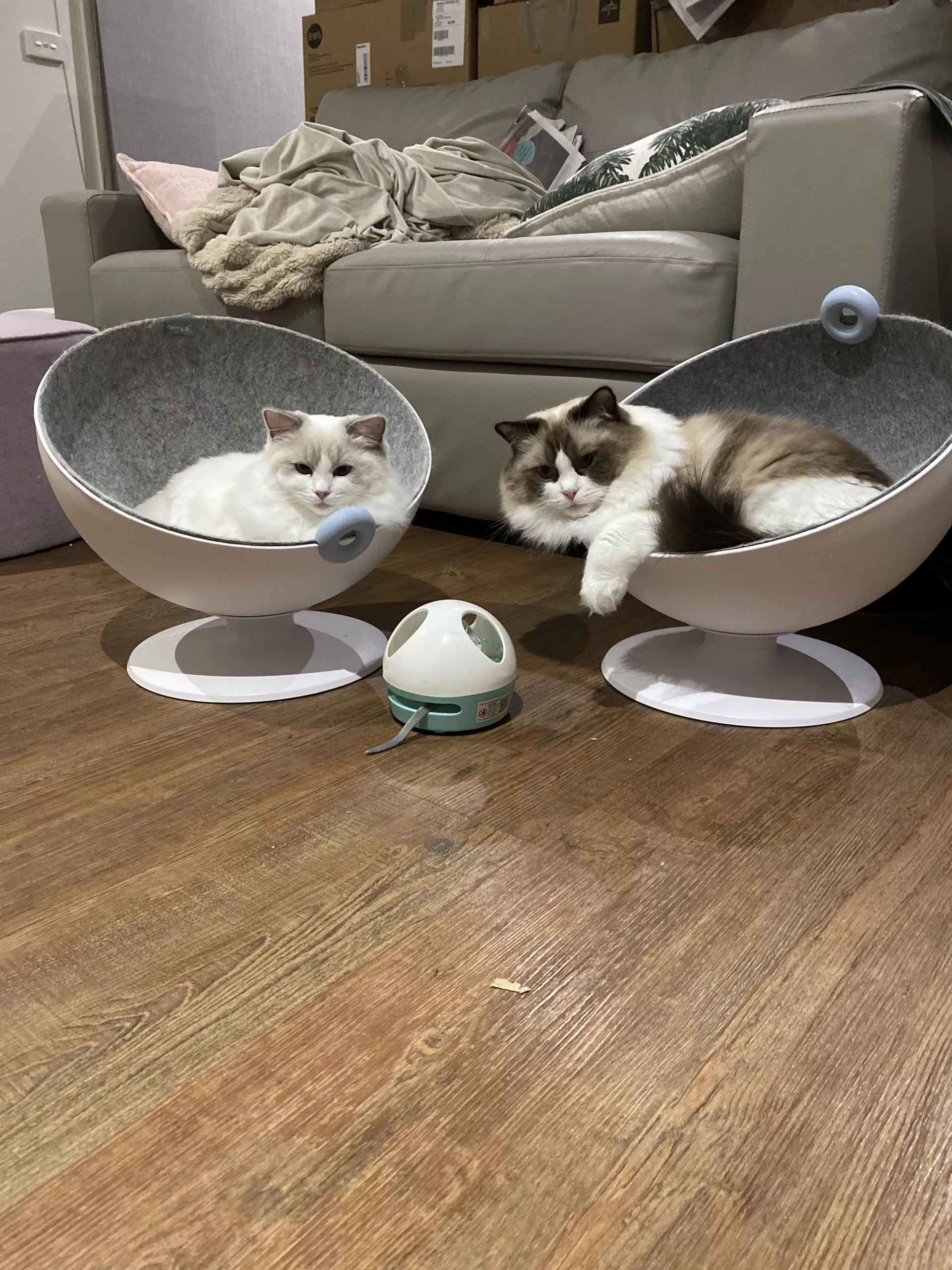
Veterinary check-ups are an essential part of maintaining the health and wellbeing of your ragdoll kitten.
As a responsible pet owner, it is important to schedule regular visits with your veterinarian to ensure that your kitten is healthy and happy.

During these check-ups, your veterinarian will perform a comprehensive physical exam to assess your kitten’s overall health, identify any potential health concerns, and provide necessary treatment.
Regular veterinary check-ups are particularly important for ragdoll kittens, as they are susceptible to certain health conditions.
What you'll learn from this article
According to Vetwest Veterinary Clinics, ragdolls are generally a sound breed with few health problems.
However, they may be prone to hypertrophic cardiomyopathy (HCM), a common heart disease in cats. Regular check-ups, preventative care, and a balanced diet can help minimize the risk of HCM and other health conditions.
In addition to assessing your kitten’s physical health, veterinary check-ups are an opportunity to discuss any questions or concerns you may have about your kitten’s behavior, diet, or overall wellbeing.
Your veterinarian can offer guidance on a range of topics, from litter box training to vaccination schedules. By scheduling regular check-ups and communicating openly with your veterinarian, you can ensure that your ragdoll kitten receives the best possible care.
Ragdoll Kitten’s Diet and Nutrition
As a responsible pet owner, I know that a well-balanced diet is essential for my Ragdoll kitten’s overall health and wellbeing. Here are some important things to keep in mind when it comes to their diet and nutrition.
1. Importance of Balanced Diet
A balanced diet is crucial for my Ragdoll kitten’s growth and development. It should consist of high-quality protein, healthy fats, and essential vitamins and minerals. I make sure to feed my kitten a nutritionally balanced diet that meets their specific needs.
2. Dealing with Obesity
Obesity is a common problem among cats, and Ragdoll kittens are no exception. To prevent obesity, I monitor my kitten’s weight regularly and adjust their diet accordingly. Overfeeding and a lack of exercise can lead to obesity, which can cause a range of health problems.
3. Choosing High-Quality Cat Food
Choosing the right cat food for my Ragdoll kitten is important. I look for high-quality cat food that contains whole meats, such as chicken or fish, as the primary ingredient. I avoid cat food that contains fillers, such as corn or wheat, as they provide little nutritional value.
In conclusion, a well-balanced diet is essential for my Ragdoll kitten’s overall health and wellbeing. By monitoring their weight, choosing high-quality cat food, and providing them with a nutritionally balanced diet, I can ensure they grow up healthy and happy.
4. Grooming and Care for Ragdoll Kittens
As a responsible pet owner, I understand the importance of grooming and care for my Ragdoll kitten. Regular grooming not only keeps my kitten’s coat healthy and shiny but also provides joy and mental stimulation. In this section, I will discuss some essential grooming and care tips for my Ragdoll kitten.
5. Bathing and Fur Care
Ragdoll kittens have a beautiful and soft coat that requires regular grooming to maintain a healthy and shiny look. Bathing my kitten once a month with a mild shampoo and conditioner can help keep their coat clean and tangle-free. I prefer using a stainless steel comb to remove any loose hair and tangles from my kitten’s coat. It’s essential to dry my kitten thoroughly after a bath to prevent any skin irritation.
6. Dealing with Shedding
Ragdoll kittens shed their fur twice a year, and it’s essential to deal with it effectively. Regular brushing with a stainless steel comb can help remove any loose hair and prevent matting. I also make sure to vacuum my home regularly to get rid of any loose fur.
7. Importance of Toys and Mental Stimulation
Ragdoll kittens are playful and love to play with toys. Providing my kitten with scratching posts, balls, and other toys not only helps keep them entertained but also provides mental stimulation. I make sure to rotate my kitten’s toys regularly to keep them interested.
In conclusion, grooming and care for my Ragdoll kitten is essential to maintain a healthy coat and provide joy and mental stimulation. Regular grooming with a stainless steel comb, bathing, and dealing with shedding are crucial for my kitten’s well-being. Providing my kitten with toys and mental stimulation is also essential for their overall health and happiness.
Health Concerns and Veterinary Check-Ups
As a responsible pet owner, it’s important to ensure your Ragdoll kitten receives regular veterinary check-ups. Regular check-ups are crucial to maintaining your kitten’s health and detecting any potential health issues early on. In this section, I will cover some common health concerns and the importance of regular veterinary check-ups for your Ragdoll kitten.
1. Common Illnesses
Ragdoll cats are generally a sound cat breed with few health problems. However, like all cats, they can still develop health issues. One of the most common health issues in Ragdoll cats is hypertrophic cardiomyopathy, an inherited disorder that causes thickening of the heart muscles. Other common health issues include dental problems, skin allergies, and heart diseases.
2. Importance of Vaccinations
Vaccinations are an important part of preventative care for your kitten. Your veterinarian will recommend a vaccination schedule based on your kitten’s age and health status. It’s important to keep up with your kitten’s vaccinations to prevent potentially deadly diseases like feline leukemia virus (FeLV) and feline infectious peritonitis (FIP).
3. Understanding Dental Care
Dental care is an important aspect of your kitten’s overall health. Ragdoll cats are prone to dental problems, such as gingivitis and periodontal disease, which can lead to tooth loss and other health issues. Regular dental check-ups and cleanings can help prevent these issues.
4. Dealing with Injuries
Even with preventative care, accidents can still happen. In the event of an injury, it’s important to seek veterinary care as soon as possible. Your veterinarian can provide emergency care or refer you to an emergency vet clinic if necessary. Depending on the injury, your kitten may require orthopedic surgery or other specialized care.
In summary, regular veterinary check-ups are crucial to maintaining your Ragdoll kitten’s health. Your veterinarian can provide preventative care, diagnose and treat any health issues, and provide emergency care if necessary. Don’t forget to microchip your kitten and keep up with regular check-ups, including digital radiography, ultrasound, dermatology, and senior pet health care.
Behavior and Training of Ragdoll Kittens
As a veterinarian, I have observed that Ragdoll kittens are known for their affectionate nature and gentle temperament. Understanding their behavior and training needs is essential for their overall wellbeing. In this section, I will discuss the two main aspects of Ragdoll kitten behavior: their affectionate nature and activity level during playtime.
1. Understanding Their Affectionate Nature
Ragdoll kittens are known for their affectionate nature and the strong bond they form with their owners. They are intelligent and can easily learn new tricks and commands. However, they may be shy and reserved around strangers, so it’s important to socialize them from a young age.
Training a Ragdoll kitten is a rewarding experience, but it requires patience and consistency. Positive reinforcement is the best approach to training a Ragdoll kitten. Rewarding them with treats or praise when they exhibit good behavior will encourage them to repeat it.
2. Activity Level and Playtime
Ragdoll kittens are not known for their hunting instincts, but they enjoy playing and exploring their environment. They are generally not very active, but they do require daily playtime to keep them mentally and physically stimulated. Interactive toys, scratching posts, and climbing structures are great ways to keep Ragdoll kittens entertained.
It’s important to monitor their playtime and ensure they do not become overstimulated or exhausted.
Ragdoll kittens may become overly attached to their owners and exhibit separation anxiety, so gradually increasing their alone time can help prevent this.
In conclusion, understanding Ragdoll kitten behavior and training needs is essential for their overall wellbeing. They are affectionate, gentle, and intelligent, and require daily playtime to keep them mentally and physically stimulated.
Positive reinforcement is the best approach to training them, and monitoring their playtime can prevent overstimulation and separation anxiety.
Allergies and Ragdoll Kittens
As a responsible pet owner, it is important to be aware of the potential health concerns that can affect your ragdoll kitten. One of these concerns is allergies. In this section, I will discuss what cat allergens are and whether ragdoll kittens are hypoallergenic.
1. Understanding Cat Allergens
Cat allergens are proteins found in a cat’s skin, saliva, and urine. When a person with allergies comes into contact with these allergens, their immune system overreacts and produces histamines, which can cause symptoms such as sneezing, runny nose, itchy eyes, and skin rashes.
It is important to note that cat allergens are not just present in a cat’s fur. They can also be found in the air and on surfaces, such as furniture and carpets, where a cat has been.
2. Are Ragdolls Hypoallergenic?
Many people believe that ragdoll kittens are hypoallergenic, meaning that they are less likely to cause allergic reactions in humans. However, this is not entirely true.
While ragdolls may produce fewer allergens than other breeds, they are not completely hypoallergenic. This is because allergies are not just caused by a cat’s fur, but also by their saliva and urine.
Furthermore, some people may be more sensitive to certain cat allergens than others. So while one person may not have any allergic reactions to a ragdoll kitten, another person may experience severe symptoms.
In conclusion, while ragdoll kittens may produce fewer allergens than other breeds, they are not completely hypoallergenic. If you or someone in your household has allergies, it is important to discuss this with your veterinarian and take appropriate measures to reduce exposure to cat allergens, such as regular cleaning and air filtration.
Frequently Asked Questions
How often should Ragdoll kittens have check-ups?
Ragdoll kittens should have check-ups at least once a year. However, it is recommended that they have more frequent check-ups, especially during their first year of life. This is because kittens are more vulnerable to health issues and need more attention.
What health issues should I watch for in Ragdoll kittens?
Ragdoll kittens are prone to certain health issues, such as hypertrophic cardiomyopathy (HCM), which is a heart disease that is common in cats. They are also prone to developing bladder stones, which can cause discomfort and pain. Other health issues that you should watch for include dental problems, ear infections, and eye problems.
What vaccinations do Ragdoll kittens need?
Ragdoll kittens need to be vaccinated against several diseases, including feline herpesvirus, calicivirus, and panleukopenia. They also need to be vaccinated against rabies if they are at risk of exposure to the virus. Your veterinarian can recommend a vaccination schedule that is appropriate for your kitten.
What tests should Ragdoll kittens undergo?
Ragdoll kittens should undergo several tests to check for health issues. These tests may include blood tests, urine tests, and fecal tests. They may also need to undergo imaging tests, such as X-rays or ultrasounds, to check for any abnormalities.
What should I expect during a Ragdoll kitten check-up?
During a Ragdoll kitten check-up, your veterinarian will perform a physical examination to check for any health issues. They will also ask you questions about your kitten’s behavior, eating habits, and overall health. Your kitten may need to undergo some tests, such as blood tests or fecal tests, to check for any health issues.
How can I find a reputable veterinarian for my Ragdoll kitten?
To find a reputable veterinarian for your Ragdoll kitten, you can ask for recommendations from other pet owners or search online for veterinarians in your area. It is important to choose a veterinarian who has experience with Ragdoll cats and who you feel comfortable working with. You can also check the veterinarian’s credentials and reviews online to ensure that they are reputable and trustworthy.
