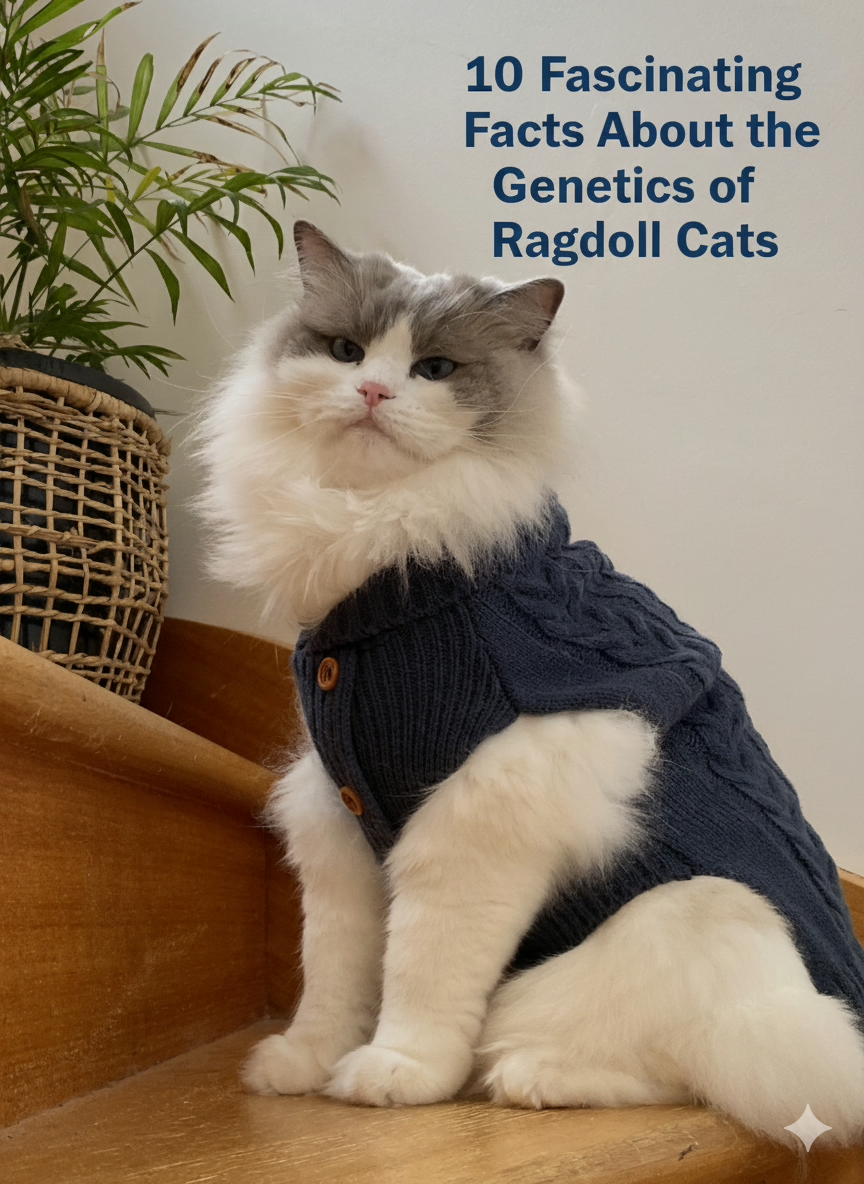
Genetics of Ragdoll cats reveals a captivating story behind one of the most beloved feline breeds.
Have you ever wondered about the fascinating journey that shaped their unique traits and gentle nature?
Let’s explore 10 key points about Ragdoll cats’ genetics that every enthusiast should know.
What you'll learn from this article
1. Ann Baker and the Origin of Ragdoll Cats
Ann Baker, a breeder from California, developed Ragdoll cats in the 1960s through selective breeding. Her goal was to create a breed characterised by a docile temperament, semi-long silky coats, striking blue eyes, and a unique tendency to go limp when held.

She meticulously selected cats with desirable traits, establishing a breed standard that cat enthusiasts recognise and appreciate worldwide today.
2. Selective Breeding and Trait Establishment
Ragdolls’ defining traits—large size, gentle nature, and striking appearance—resulted from careful genetic selection. These traits are maintained through responsible breeding practices, preserving the breed’s distinctive characteristics for future generations.
Breeders continually emphasise desirable attributes like temperament and physical characteristics, while minimising genetic disorders through careful planning and rigorous genetic testing.
3. Genetic Basis of Coat Colours and Patterns
Ragdoll coat colours and patterns, such as pointed, mitted, and bicolour variations, are determined by specific genetic combinations.
Genes responsible for colour distribution and patterns—like the dilute gene—play significant roles in creating the breed’s beautiful muted hues.
Understanding genetic dominance and recessive traits helps breeders predict coat colours, allowing for the preservation and propagation of popular and rare variations alike.
4. Key Genetic Terms to Understand
To grasp Ragdoll genetics fully, familiarise yourself with these essential terms:
- Chromosomes: Structures within cells carrying genetic information.
- Genes: Units of heredity responsible for determining specific traits.
- Dilute Gene: A recessive gene responsible for creating softer, muted coat colours.
- Dominant and Recessive Traits: Concepts explaining how certain traits are expressed or hidden.
- Genotype and Phenotype: Genetic composition versus observable characteristics.
5. Genetic Health Issues: Hypertrophic Cardiomyopathy (HCM)
HCM, a genetic heart condition common in Ragdolls, leads to the thickening of heart muscles, negatively affecting heart function. Symptoms include lethargy, rapid breathing, fainting episodes, and reduced physical activity.
Early genetic screening, regular veterinary checkups, and proactive management strategies like medication and lifestyle adjustments help mitigate the condition’s impact, ensuring affected cats can live comfortably.
6. Polycystic Kidney Disease (PKD1) in Ragdolls
PKD1 causes fluid-filled cysts in kidneys, potentially resulting in kidney failure if untreated. DNA testing and regular ultrasounds are crucial for early detection, allowing proactive management through dietary modifications, medication, and routine kidney function monitoring.
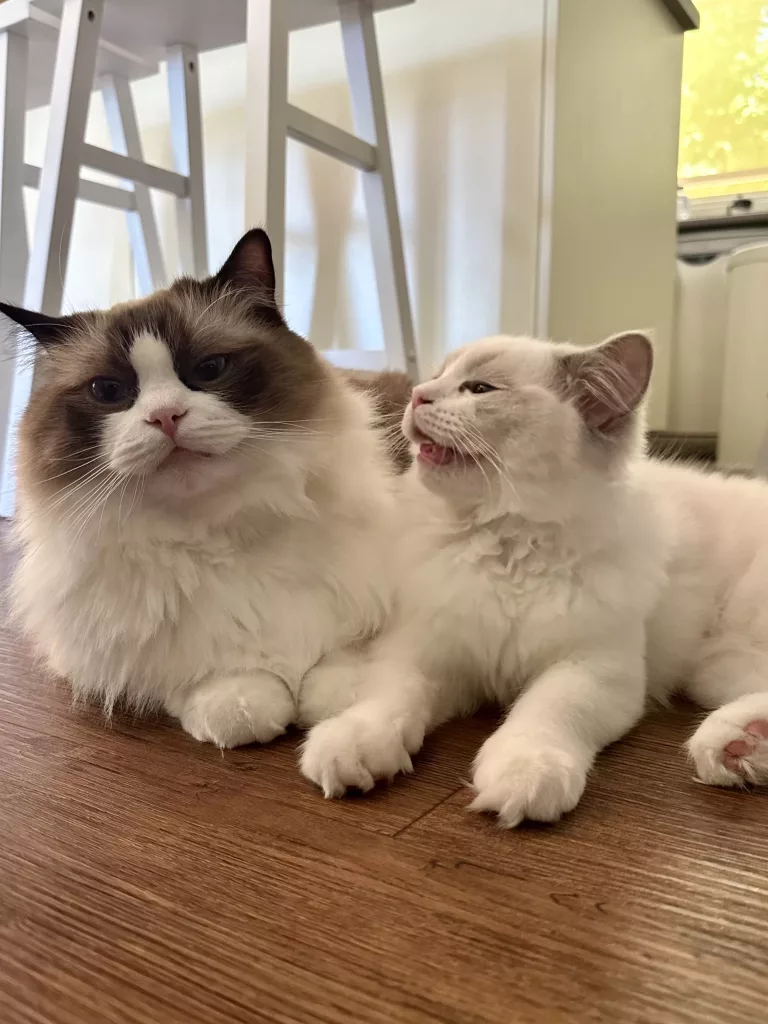
With appropriate care, affected Ragdolls can enjoy a significantly improved quality of life.
7. Importance of Genetic Testing
Genetic testing significantly enhances the overall health and lifespan of Ragdolls. Available tests for conditions such as HCM, PKD1, and other genetic disorders help breeders and owners identify risks early on.
This proactive approach allows for timely interventions and informed breeding decisions, ultimately preserving and improving breed health and longevity.
8. Practical Steps to Manage Genetic Health
Responsible breeding and regular veterinary care are essential for managing genetic health:
- Conduct thorough genetic screening before breeding.
- Maintain consistent veterinary checkups and screenings.
- Ensure a balanced diet tailored to specific health needs.
- Create a nurturing environment with ample mental stimulation.
- Keep updated with the latest genetic research and veterinary recommendations.
9. Emerging Research and Technologies
Recent advances in genetics, such as whole-genome sequencing, CRISPR gene-editing technologies, and enhanced genetic testing methods, offer promising future directions.
These cutting-edge technologies provide greater accuracy in genetic screening and could soon facilitate personalised healthcare management plans, early disease detection, and precise treatments tailored specifically for Ragdolls.
10. Future of Ragdoll Cat Genetic Research
Continued genetic research endeavours to enhance Ragdoll health through comprehensive genetic screening panels and deeper exploration of gene-environment interactions. Future strategies may include personalised nutrition, targeted environmental enrichment, and tailored medical interventions to optimise health outcomes.
Collaboration among researchers, veterinarians, breeders, and owners will be vital in implementing these advancements.
Understanding the genetic journey of Ragdoll cats empowers breeders and owners alike to ensure the breed’s health and happiness for generations to come. With continued education, responsible breeding practices, and proactive healthcare management, Ragdolls will remain beloved companions, admired for their beauty, gentle nature, and exceptional genetic heritage.
FAQs About Ragdoll Cat Genetics
Q1: Are Ragdoll cats genetically prone to specific diseases? A: Yes, common genetic conditions in Ragdolls include Hypertrophic Cardiomyopathy (HCM) and Polycystic Kidney Disease (PKD1). Genetic testing and regular veterinary checkups help manage these conditions effectively.
Q2: What determines the coat colours and patterns in Ragdoll cats? A: Coat colours and patterns are determined by specific genetic combinations involving dominant and recessive genes, including the dilute gene responsible for muted colours.
Q3: How important is genetic testing for Ragdoll cats? A: Genetic testing is vital as it allows early detection and proactive management of genetic health issues, ensuring a better quality of life and informed breeding decisions.
Q4: Can Ragdoll genetic conditions be prevented? A: While genetic conditions cannot always be completely prevented, responsible breeding practices and regular genetic screening significantly reduce risks and manage potential health issues effectively.
Q5: What is the future direction of Ragdoll genetics research? A: Future research aims to develop comprehensive genetic screening tools, explore gene-environment interactions, and introduce personalised healthcare strategies to optimise the health of Ragdoll cats.
