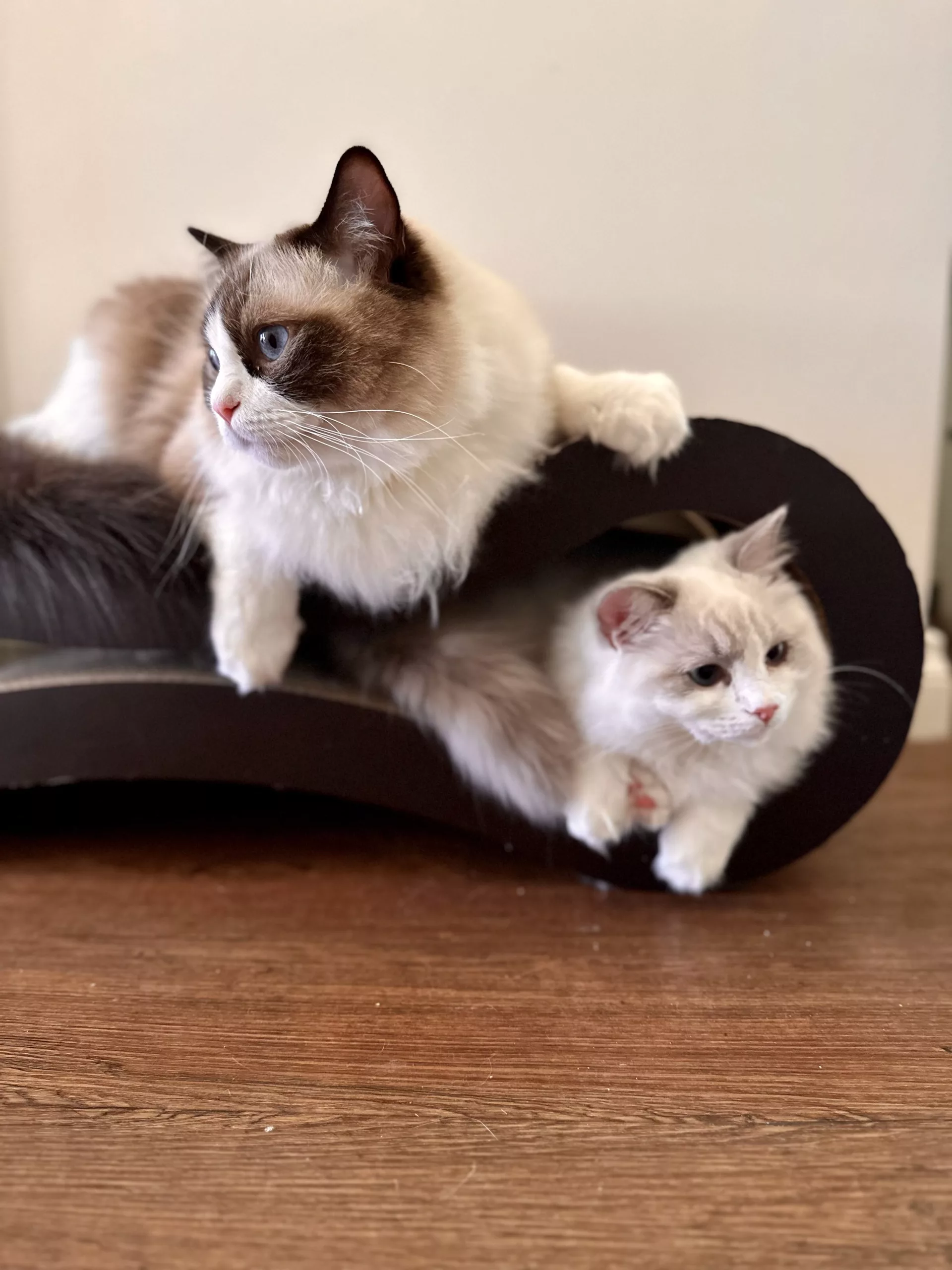
Introducing a Ragdoll kitten to other cats in your household can be an exciting yet challenging experience. Ragdoll kittens are known for their gentle and loving nature, which makes them a popular choice for families with multiple cats.
However, to ensure a smooth introduction, it’s essential to properly prepare both your home and the resident cats for the new addition.
Understanding the unique temperament and needs of Ragdoll kittens is key to fostering a healthy and harmonious environment for all your cats. Patience, gradual introductions, and close monitoring can be critical factors in helping your resident cats accept and bond with their new feline sibling.
As a cat owner, it’s my responsibility to provide a secure and comfortable home for all my pets, and by following some simple steps, I can create an environment that encourages positive interactions among my furry friends.
What you'll learn from this article
1. Understanding Ragdoll Kittens
As an owner of Ragdoll kittens, I have come to admire their gentle and affectionate personalities. These kittens are known for their docile nature, which makes them perfect pets for families and multi-cat households.
They quickly adapt to their new environment and are more than willing to bond with other pets, making it easier to introduce them to your existing feline companions.
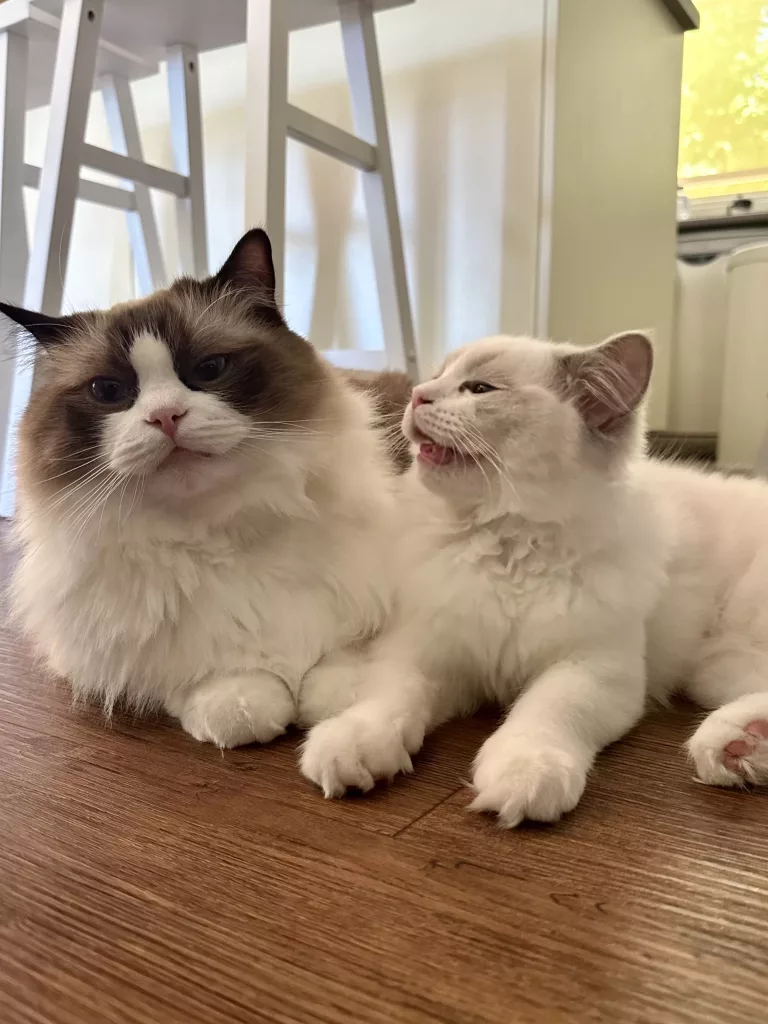
In my experience, Ragdoll kittens are playful creatures with a loving disposition. Their docile nature is complemented by their size – they grow to become one of the largest domestic cat breeds. This combination of size and personality makes them hard to resist. I’ve been enthralled by their ability to develop strong connections with their owners and have seen firsthand just how devoted they can be.
One aspect of Ragdoll kittens that never ceases to amaze me is their unique temperament. Ragdolls are often referred to as “puppy-like” due to their tendency to follow their owners around the house, greet them at the door, and enjoy being picked up and cuddled. This breed is known for going limp when picked up, which speaks to their innate trust and relaxation around humans.
Introducing a Ragdoll kitten to your other cats is made easier by their friendly and adaptable personalities. Nevertheless, it’s important to approach the introduction process with patience and care, ensuring that your pets have time to acclimate and form a bond.
I have personally witnessed the success of such introductions multiple times, and it is always a joy to see the harmonious coexistence of these gentle and loving cats.
2. Introducing A Ragdoll Kitten
When I’m preparing to bring a Ragdoll kitten home, it’s crucial to create a safe and comfortable environment for them. Before the kitten arrives, I establish a separate room for them to explore and adjust without feeling overwhelmed. This room also helps my other cats to get used to the new kitten’s scent and presence.
In the separate room, I make sure to provide the essentials such as food, water, and kitten-friendly toys. I also set up a cozy bed and a litter box to encourage good habits from the start. Additionally, I place a few scent-exchange items like towels or blankets that I’ve rubbed on my existing cat to help familiarize them with the new scent.
When it’s time to bring the Ragdoll kitten home, I have a secure cat carrier ready for transportation. Keeping the kitten inside the carrier while introducing them to their new home ensures their safety and helps them gain confidence before exploring the space on their own.
Once the kitten is comfortable in their safe room, I gradually ease into a free reign introduction, allowing both the new kitten and my existing cat to explore each other’s spaces under supervision. This controlled introduction ensures a smoother transition for everyone and promotes positive relationships among my feline companions.
By following these steps, I make sure my new Ragdoll kitten and my existing cat have the best possible experience during their introduction period and beyond.
3. Introducing Ragdoll Kitten to Resident Cat
As a cat owner, I understand the importance of introducing a Ragdoll kitten to an existing resident cat with patience and care. I have found that taking the time to follow a few simple steps can significantly increase the chances of a successful introduction.
First, I strongly recommend scent swapping before the face-to-face meeting. This involves exchanging bedding or items that carry the scent of each cat, which can help familiarize both felines with each other’s smell. Ragdolls are known for their gentle and loving nature, so this step can be particularly effective in easing the introduction process.
Another helpful technique I’ve employed is using a baby gate to separate the cats during their initial face-to-face meeting. This allows the resident cat and the ragdoll kitten to see each other and establish their territories without physical contact.
In my experience, patience is vital when it comes to introducing cats. It can take weeks, or even months, for the resident cat and the ragdoll kitten to adjust to each other’s presence and become comfortable sharing the same living space. I suggest monitoring their interaction closely and intervening when necessary to prevent any unwanted behavior or potential conflict.
Additionally, providing separate spaces for each cat, such as designated eating areas and litter boxes, can create a sense of security and decrease potential territorial disputes. Over time, as the cats become more comfortable with each other, these separate spaces can be gradually reduced.
In conclusion, introducing a Ragdoll kitten to a resident cat should be done with careful planning and patience. By following these simple steps, I have had success in fostering positive relationships between my feline companions.
You can watch some of their TikTok videos when we introduced Missy to Hugo.
4. Managing Feeding and Grooming
When I introduced my Ragdoll kitten to my other cats, I knew that managing feeding and grooming was a crucial part of helping them bond and maintain a healthy environment. To achieve this, I focused on creating a suitable feeding routine and grooming schedule for my new Ragdoll and existing cats.
In terms of feeding, I made sure to provide a nutritious diet that met the specific needs of my Ragdoll kitten, which included over 50% animal proteins, about 20% fats, and no more than 3% carbs. I ensured that I fed my kitten with whole-meat-based wet food regularly. To prevent any rivalry or territorial disputes, I also set up separate food and water bowls for each cat, placed at a reasonable distance from one another.
Regarding litter boxes, I noticed that it was essential to establish multiple litter boxes within my home. I placed these in different locations to avoid conflicts and give each cat its own space. This strategy helped maintain cleanliness and made it easier for the cats to adapt to the new arrangements.
When it came to grooming, I recognized that Ragdoll cats require more frequent grooming than other breeds. So, I developed a grooming schedule for my new kitten as well as my other cats to ensure everyone was comfortable and well-maintained. To do this, I made it a point to brush my Ragdoll kitten at least once a week, focusing more on areas with long fur. Trimming their nails and cleaning their ears were tasks I found necessary to perform once a month, or bi-monthly.
By efficiently managing their feeding and grooming routines, it made the integration process smoother, leading to a peaceful, healthy, and happy coexistence between my Ragdoll kitten and other cats.
5. Ensuring Safe and Healthy Playtime
Playtime is an essential aspect of a cat’s life, especially when introducing a new Ragdoll kitten to other cats in the household. When managed appropriately, playtime can help improve the bond between cats and provide much-needed exercise, companionship, and mental stimulation.
I’ve noticed that interactive toys are an excellent tool for promoting healthy play between cats. These toys not only keep my cats engaged but also help prevent boredom and loneliness in their indoor environment. By selecting high-quality and safe playtime products, I ensure the well-being of my feline friends while they enjoy their play sessions.
To create a fun and interactive playtime experience, I incorporate various types of toys and activities. I make sure to include toys that encourage both individual and shared play, such as catnip toys, feather wands, and puzzle feeders. This diversity helps establish a balance between independence and companionship for my cats, ensuring they remain happy and healthy.
Another crucial aspect is observing proper playtime etiquette, especially during the introduction phase. I closely supervise these interactions to ensure safety and provide early intervention if needed. I also establish a play routine to help my cats acclimate to each other’s presence, fostering a sense of familiarity and comfort.
Maintaining a healthy and safe playtime involves paying attention to my cats’ body language and behavior. This helps me identify any signs of stress or aggression and address them accordingly. By taking these measures, I ensure that playtime remains a positive experience that contributes meaningfully to my cats’ well-being and happiness.
6. Dealing with Aggression and Other Challenges
As a cat owner, I understand the importance of properly introducing a Ragdoll kitten to other cats in our household. Aggression, hissing, and feeling threatened are common reactions that may be observed during this process. I will share some insights on how to manage these challenges and facilitate a smoother transition for all cats involved.
Cat owners must be aware that feline instincts contribute to their reactions in new situations; hence, it’s essential to carefully handle this situation to ensure a positive outcome. Stress is a common factor, leading to feelings of loneliness, depression, and boredom in our felines. I have found that creating a separate room for the new kitten provides a safe space for everyone to adjust to the new dynamics. Also, you can facilitate the bonding between the new kitten and other cats using scent, such as exchanging their bedding Excited Cats.
Following a sufficient period of scent exchange and familiarization, supervised interactions are a wise next step. This gradual introduction allows the cats to get used to each other’s presence in a controlled environment, reducing the chances of aggression and dominance issues. It’s crucial to use positive reinforcement during these sessions, rewarding appropriate behavior and redirecting negative interactions.
While monitoring the cats’ interactions, pay close attention to body language and vocal cues, as they reveal a lot about the relationship between cats. Should hissing or aggressive behavior persist, it is important not to punish the cats, as it may cause further stress or aggression. Instead, I recommend consulting a veterinarian or a behaviorist to evaluate the situation and seek professional guidance on managing aggression and other related challenges.
It is essential to be patient and consistent while introducing Ragdoll kittens to other cats. By following the steps mentioned above with the right mindset, I am confident that the transition will be smooth and lead to a harmonious relationship between your furry companions.
7. Temperament of Different Cat Breeds
When it comes to the temperament of different cat breeds, I’ve found that there can be a wide range of personalities and characteristics. In this section, I will discuss the temperament of a few popular breeds such as British Shorthair, Maine Coon, Persian cat, and Abyssinian.
British Shorthair: Known for their calm and gentle nature, British Shorthair cats are easy-going and pleasant companions. They can be quite independent and may enjoy spending time alone, but they still appreciate the presence of their family members. This breed typically gets along well with other pets and children, making them an excellent choice for multi-pet households.
Maine Coon: Maine Coon cats are known for being friendly and sociable creatures. They enjoy interacting with both humans and other animals, making them ideal for households with multiple pets. With a playful and intelligent demeanor, Maine Coons tend to be quite adaptable and can easily adjust to different environments. Overall, this breed’s laid-back attitude and social nature make them great companions.
Persian Cat: Persian cats are known for their sweet and affectionate personality. They are quite calm and prefer a peaceful atmosphere. Although not as active as other breeds, Persians can be playful when the mood strikes them. These cats enjoy the company of their humans, but they might not be as eager to interact with other pets in the household. Nevertheless, with proper introductions and time, they can get along with other pets.
Abyssinian: The Abyssinian cat breed is known for being an active and inquisitive breed, often displaying curiosity and eagerness to explore. These cats enjoy spending time with their humans, engaging in playtime, and even participating in training sessions. The Abyssinian may have an assertive personality and may be better suited for households without other pets, or with pets that can handle their energetic nature.
In conclusion, it’s essential to consider a cat’s temperament and personality when choosing a friend for your current feline companion. While these examples provide a general overview of each breed, individual cats can display unique traits and behaviors. Always allow time for gradual introductions and adjustments to achieve a harmonious multi-cat household.
8. Medical Considerations
Before introducing a new Ragdoll kitten to your other cats, it is crucial to consider a few medical aspects. Firstly, it’s essential to consult with a veterinarian for a health check to ensure the kitten is in good shape and not carrying any contagious diseases or parasites.
Vaccinations play a significant role in your kitten’s overall health. I recommend scheduling vaccinations for the kitten before bringing them home. Typically, kittens should begin their vaccinations at around 6-8 weeks of age, as they help protect against common feline illnesses such as distemper, feline leukemia, and feline immunodeficiency virus.
Ensure you follow the vaccination schedule provided by your veterinarian to keep your kitten safe and prevent the spread of diseases to your other cats. You can read more about Ragdoll kitten vaccinations from this link.
Next, worming is an essential aspect of your kitten’s health regime. Most breeders provide worming treatment before the kitten leaves their care. However, it’s my responsibility to continue regular worming treatments once the kitten is part of my family. This practice helps protect not only the new addition but also my other cats from potential infections and complications.
Lastly, when choosing a Ragdoll kitten, it is vital to review the breeder’s reputation and their approach to the health of their animals. A responsible breeder will prioritize the kitten’s well-being, ensuring that they receive proper medical care, including vaccinations and worming.
In conclusion, medical considerations are an integral aspect when introducing a Ragdoll kitten to your other cats. By prioritizing your kitten’s health through vet consultations, vaccinations, worming, and working with a reputable breeder, you’ll create a safe environment for all your furry family members.
9. Considering A Companion for Ragdoll Kitten
As a Ragdoll kitten owner, I learned the importance of socializing my new pet with potential feline companions. Ragdoll cats are known for their friendly nature and ability to get along with other cats. In fact, they often benefit from having a companion cat in their social life.

When considering a second cat as a companion, it’s important to choose one with a compatible personality. In my experience, I found that the best companion for my ragdoll cat is, of course, another ragdoll kitten.
It’s crucial to introduce them gradually to ensure they adapt well to their new environment.
During the socialization process, I discovered that using pheromone products, like Feliway diffusers, helped calm both cats and made the introduction process smoother. I also used a baby powder for both of them to have the same scent.
It’s advised to establish a safe room for the new Ragdoll kitten, where it can gradually become familiar with the scents and sounds of the household before meeting the resident cat
In my experience of introducing a ragdoll kitten, it’s best to supervise the interactions between the cats in the beginning. Allowing them to sniff each other through a door or a gate can help them get used to the presence of another feline without causing stress or contention.
To make the transition easier, I ensured that both cats had their own separate resources, such as food and water dishes, litter boxes, and sleeping areas. This helps create a sense of security for each cat, reducing the chances of territorial disputes.
In conclusion, finding a suitable companion for my Ragdoll kitten has improved its social life and well-being. By following these steps, you can ensure a smooth integration process and foster a harmonious relationship between your Ragdoll kitten and its newfound feline friend.
Conclusion
I believe that introducing a Ragdoll kitten to other cats can be a seamless experience when done right. It’s important to take the process slowly, so both the kitten and resident cats can adjust to each other’s presence. Creating a separate room for the new kitten can be useful; this separate room gives them a safe space to explore and allows the other cats to get accustomed to the new kitten’s scent.
It’s also essential to remember that every cat has its own individual level of sociability. Ragdolls typically have pro-social tendencies, making it easier for them to adapt to their new surroundings and feline friends. However, the isolation and introduction processes are crucial to ensure both the kitten and resident cats are comfortable with each other.
Ragdoll cats, in general, are known for their calm, friendly, and docile nature. Their unusually relaxed behavior plays a significant role in forming bonds with other cats. Their ability to socialize comes from early encounters with other cats, which helps them learn social cues and behaviors. Thus, my emphasis remains on patience and gradual introduction when bringing a Ragdoll kitten into a home with other cats. By following these guidelines, I am confident that a harmonious environment can be achieved for all feline members of the household.
