Ragdoll kittens are a popular breed known for their affectionate and gentle nature. As a proud owner of a Ragdoll kitten, I’ve learned that these adorable little furballs have specific needs that must be met to ensure their health and happiness.
One of the most important things a Ragdoll kitten needs is a high-quality diet. These kittens grow larger than most cats and require a lot of protein to support their growth. It’s important to avoid cat food with grains and opt for food that is high in protein.
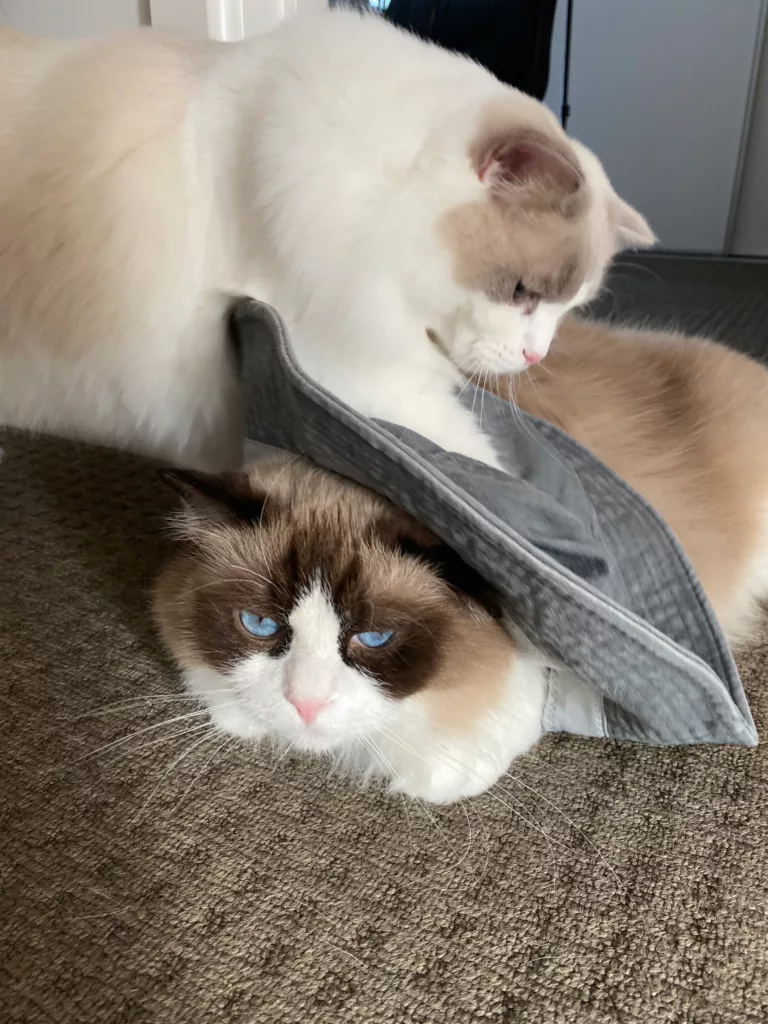
Most of the time, canned food fits this bill best, as it has a high moisture content that helps keep their system hydrated naturally.
However, it’s always best to consult with a veterinarian to determine the best diet for your kitten’s specific needs.
What you'll learn from this article
In addition to a healthy diet, Ragdoll kittens also require regular veterinary check-ups. It’s important to find a reliable, knowledgeable vet to have on your team before purchasing your new kitten. A holistic cat vet can be a great option as they offer natural vet care that can benefit your Ragdoll’s health.
Regular check-ups can help detect any potential health issues early, ensuring your kitten stays healthy and happy for years to come.
Understanding Ragdoll Kittens
Ragdoll kittens are a popular breed of cats known for their big blue eyes, soft fur, and gentle personalities. As a new owner, it is important to understand what your Ragdoll kitten needs to thrive. In this section, I will provide you with some essential information about Ragdoll kittens.
Personality and Temperament
Ragdoll kittens are known for their docile temperament and affectionate nature. They are social cats that love to be around people and other pets. They are also known for their tendency to go limp and relaxed when picked up, which is why they are called “Ragdolls.” Ragdolls are not very vocal cats, but they do enjoy playing and interacting with their owners.
Diet and Nutrition
Ragdoll kittens require a balanced diet to grow and develop properly. It is important to feed them high-quality kitten food that is rich in protein and nutrients. You should also provide them with fresh water at all times. Avoid feeding them human food, as it can cause digestive problems and other health issues.
Grooming
Ragdoll kittens have long, soft fur that requires regular grooming to keep it healthy and free from tangles and mats. You should brush your Ragdoll kitten at least once a week to remove loose hair and prevent hairballs. You should also trim their nails regularly and clean their ears and eyes to prevent infections.
Exercise and Playtime
Ragdoll kittens are active cats that need plenty of exercise and playtime to stay healthy and happy. You should provide them with toys and scratching posts to keep them entertained and prevent them from damaging your furniture.
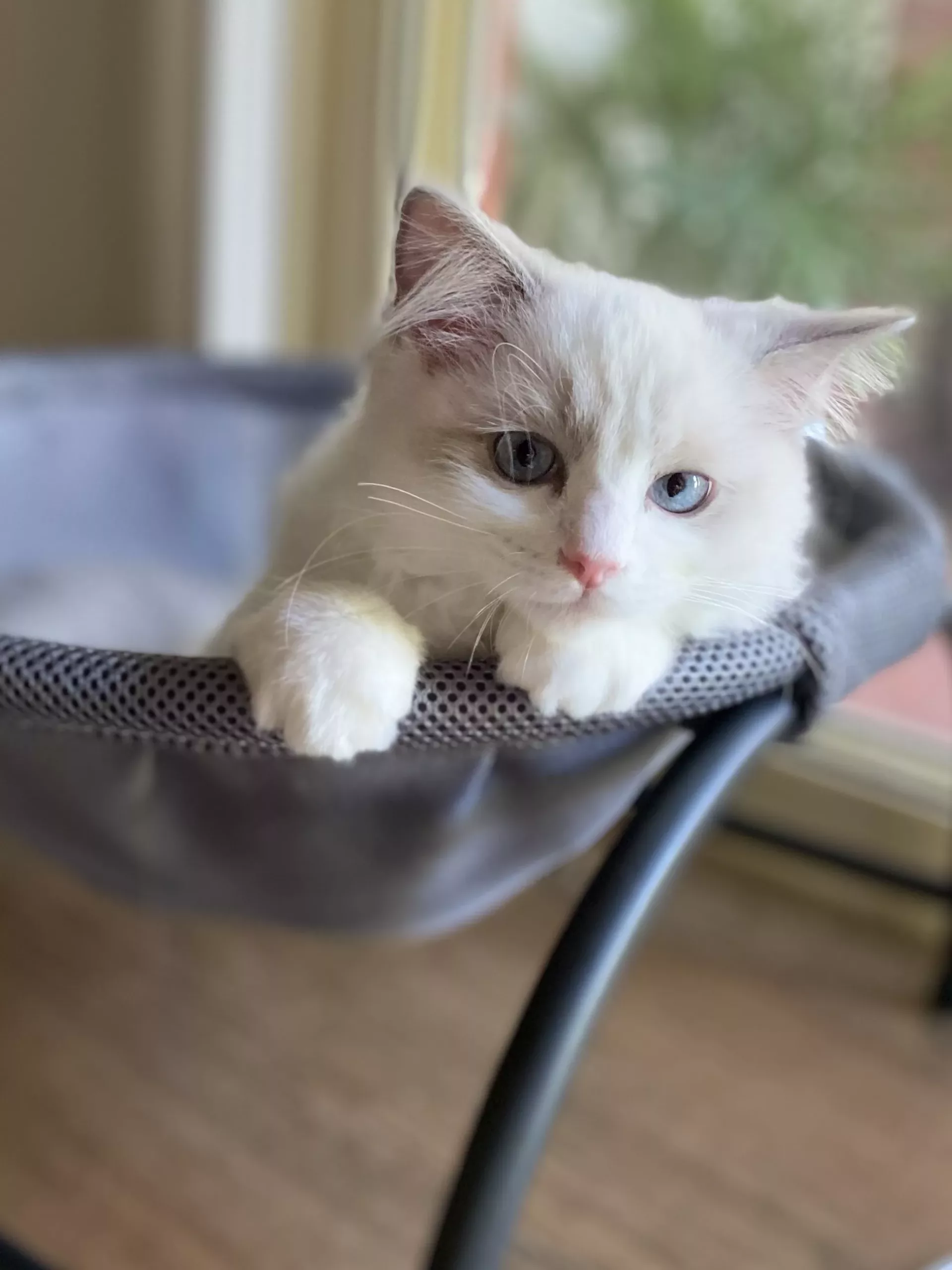
You should also spend time playing with them and providing them with opportunities to climb and explore their environment.
Veterinary Care
Ragdoll kittens require regular veterinary care to stay healthy. You should take your kitten to the vet for regular checkups and vaccinations. You should also watch for any signs of illness or injury and seek veterinary care immediately if you notice any problems.
Overall, Ragdoll kittens are wonderful pets that make great companions for families and individuals alike. By understanding their needs and providing them with proper care, you can ensure that your Ragdoll kitten grows up healthy, happy, and well-loved.
What do Ragdoll kittens need?
As a Ragdoll kitten owner, I know how important it is to provide the right nutrition for my little furball. Ragdoll kittens have specific nutritional requirements that need to be met to ensure they grow up healthy and happy. In this section, I will discuss the nutritional needs of Ragdoll kittens and provide tips on how to choose the right cat food, understand their diet, and avoid common food allergies.
Choosing the Right Cat Food
When choosing cat food for your Ragdoll kitten, it’s important to look for a high-quality cat food that meets their nutritional needs. Wet food is generally recommended as it provides the moisture content that kittens need, but dry food can also be given as a supplement.
Look for cat food that is specially formulated for kittens and contains high-quality protein, such as whole meat-based proteins, and low levels of carbohydrates.
Understanding a Ragdoll’s Diet
Ragdoll kittens require a high-protein diet that replicates the natural feline diet. They should consume over 50% animal proteins, about 20% fats, and no more than 3% carbs.
It’s essential to feed your kitten whole-meat-based wet food regularly to ensure they receive the necessary nutrients for muscle maintenance and health. Kittens should be fed at least four times a day to keep up with their growth.
Avoiding Common Food Allergies
Food allergies are common in cats, and Ragdoll kittens are no exception. It’s essential to avoid feeding your kitten food that contains grains, sugar, or other additives that can trigger allergies. Look for cat food that is free of common allergens such as chicken, fish, or beef. If your kitten displays signs of food allergies, such as vomiting or diarrhea, consult your veterinarian immediately.
In conclusion, meeting the nutritional requirements of your Ragdoll kitten is essential for their overall health and well-being. By choosing the right cat food, understanding their diet, and avoiding common food allergies, you can ensure your kitten grows up healthy and happy.
Physical Needs and Exercise
As a Ragdoll kitten owner, I understand the importance of providing them with the necessary physical activity and exercise to maintain their health and happiness. Here are some tips on how to fulfill their physical needs.
Importance of Play
Playtime is crucial for Ragdoll kittens as it helps them burn off their energy and keep them mentally stimulated. It is recommended to have at least two play sessions per day, each lasting around 15-20 minutes.
During playtime, it is important to engage with your kitten and use interactive toys to keep them interested. This can include teaser wands, puzzle toys, and balls. Avoid using toys that are too small or have small parts that can be swallowed.
Choosing the Right Toys
When selecting toys for your Ragdoll kitten, consider their energy level and personality. Some kittens may prefer soft plush toys, while others may enjoy chasing after balls or playing fetch.
It is also important to rotate their toys regularly to keep them interested and prevent boredom. This can include hiding toys around the house or introducing new toys periodically.
Indoor vs Outdoor Exercise
While Ragdoll kittens can be trained to walk on a leash and enjoy outdoor exercise, it is important to consider the potential risks such as traffic and other animals.
Indoor exercise can be just as effective and safe, and can include climbing towers, scratching posts, and interactive toys. It is important to provide them with enough space to move around and play, and to create a stimulating environment that encourages exercise.
By providing your Ragdoll kitten with plenty of playtime and exercise, you can help them maintain their physical and mental health, and ensure they live a happy and fulfilling life.
Grooming and Shedding
As a Ragdoll kitten owner, grooming and shedding are essential aspects of taking care of your furry friend. Regular grooming is necessary to maintain a healthy and shiny coat, prevent matting, and reduce shedding. Here are some grooming essentials and tips for managing shedding:
Grooming Essentials
To groom your Ragdoll kitten, you will need a few essential tools, including:
- A metal comb: Use a metal comb with wide teeth to remove tangles and mats.
- A fur remover (lint roller): Use a lint roller to remove loose hair from your kitten’s coat and your furniture.
- Nail clippers: Trim your kitten’s nails regularly to prevent them from getting too long.
- Ear cleaner or white distilled vinegar: Clean your kitten’s ears regularly to prevent infections.
- Toothbrush and toothpaste: Brush your kitten’s teeth regularly to maintain good oral hygiene.
- Cotton balls or paper towels: Use cotton balls or paper towels to clean your kitten’s eyes and nose.
Managing Shedding
Ragdoll kittens have a medium-length coat that sheds moderately. Weekly grooming is necessary to keep shedding under control. Here are some tips for managing shedding:
- Brush your kitten’s coat weekly: Use a metal comb to remove loose hair and prevent matting.
- Bathe your kitten when necessary: Use a mild shampoo to bathe your kitten when their coat gets dirty or smelly.
- Use a fur remover (lint roller): Use a lint roller to remove loose hair from your kitten’s coat and your furniture.
- Keep your kitten hydrated: Provide your kitten with plenty of fresh water to keep their skin and coat healthy.
- Feed your kitten a healthy diet: Feed your kitten a balanced diet to maintain good overall health.
By following these grooming essentials and tips for managing shedding, you can keep your Ragdoll kitten’s coat healthy and shiny, and reduce shedding around your home.
Health Concerns in Ragdoll Kittens
As a responsible Ragdoll kitten owner, it is important to be aware of the potential health concerns that may affect your furry friend. In this section, I will discuss common diseases and veterinary care for Ragdoll kittens.
Common Diseases
Ragdoll kittens are prone to certain health issues, including hypertrophic cardiomyopathy, kidney and bladder stones, and polycystic kidney disease. Hypertrophic cardiomyopathy is a genetic heart disease that can lead to heart failure, while kidney and bladder stones can cause discomfort and even blockage of the urinary tract. Polycystic kidney disease is also a genetic condition that affects the kidneys and can lead to kidney failure.
In addition, Ragdoll kittens may experience other common health problems such as respiratory infections, joint problems, and obesity. Respiratory infections can be caused by their flat faces and short noses, while obesity can lead to joint problems and other health issues.
To prevent these health problems, it is important to provide your Ragdoll kitten with a healthy diet and plenty of exercise. Regular check-ups with a veterinarian can also help detect any health problems early on.
Veterinary Care
Regular veterinary care is crucial for the health and well-being of your Ragdoll kitten. It is recommended to schedule a visit with a veterinarian within the first few weeks of bringing your kitten home. During this visit, the veterinarian will perform a physical exam and check for any signs of health problems.
In addition to regular check-ups, it is important to keep up with your kitten’s vaccinations and preventative care. This includes flea and tick prevention, heartworm prevention, and regular deworming.
If your Ragdoll kitten does experience any health problems, it is important to seek veterinary care immediately. Timely treatment can help prevent the problem from worsening and improve your kitten’s chances of a full recovery.
In conclusion, being aware of common health concerns and providing regular veterinary care can help ensure the health and happiness of your Ragdoll kitten.
Social and Emotional Needs
As a Ragdoll kitten, they have social and emotional needs that require attention and care from family members.
Family Interaction
Ragdoll kittens like me thrive in a family environment where there is plenty of interaction with my human family members and other pets. I love to play and interact with my family, and I need plenty of opportunities to do so. I enjoy games of fetch and other interactive games that allow me to use my intelligence and physical abilities.
Other Considerations
It’s important to remember that I am a lap cat, and I love to be near my family members. I may follow you around the house and want to be involved in everything you do. I also need plenty of toys and other forms of stimulation to keep me entertained and engaged.
In summary, as a Ragdoll kitten, I have social and emotional needs that require attention and care from my family. I need plenty of interaction, affection, and attention to be happy and healthy. By providing me with plenty of love and attention, you can help me grow into a happy and well-adjusted adult cat.
Frequently Asked Questions
What type of litter is best for Ragdoll kittens?
When it comes to litter, Ragdoll kittens are not very picky. You can use any type of litter that you prefer, as long as it is unscented and non-clumping. Avoid using clumping litter as it can be harmful if ingested by your kitten.
How often should I groom my Ragdoll kitten?
Ragdoll kittens have long, silky hair that requires regular grooming to keep it from matting. I recommend grooming your kitten at least once a week, but preferably every day. This will help to prevent hairballs and keep your kitten’s coat looking shiny and healthy.
What kind of food should I feed my Ragdoll kitten?
Ragdoll kittens require a balanced diet that is high in protein and low in carbohydrates. Look for a high-quality kitten food that lists meat as the first ingredient. Avoid foods that contain fillers, such as corn or wheat.
What vaccinations does my Ragdoll kitten need?
Ragdoll kittens require a series of vaccinations to protect them from common feline diseases. Your kitten should receive a series of three FVRCP (feline viral rhinotracheitis, calicivirus, and panleukopenia) vaccinations, as well as a rabies vaccination. Consult with your veterinarian to determine the appropriate vaccination schedule for your kitten.
How much exercise do Ragdoll kittens require?
Ragdoll kittens are generally not very active, but they still require regular exercise to stay healthy. I recommend providing your kitten with toys that encourage play and activity, such as wand toys or balls. You should also provide your kitten with a scratching post to help keep their claws healthy.
When should I take my Ragdoll kitten to the vet for the first time?
You should take your Ragdoll kitten to the vet for their first check-up as soon as possible after bringing them home. Your veterinarian will perform a physical exam, check for any health issues, and provide you with information on how to care for your kitten. After the initial visit, your kitten should see the vet at least once a year for regular check-ups and vaccinations.
