Welcoming a new kitten into your home can be an exciting and rewarding experience. However, it can also be a stressful time for your new furry friend.
Kittens may experience anxiety when adjusting to a new environment, which can manifest in various ways such as hiding, excessive meowing, or even aggression. Fret now, in this article, I will share with you practical tips on how to reduce kitten anxiety to help make your furry friend adjust to its new home in no time.
Our Hugo and Missy adjusted only within one day to their new home. Even if we have moved houses, we followed the best practices in reducing anxiety and making them safe and calm in their new playground.
As a responsible pet owner, it is important to take steps to reduce your kitten’s anxiety and ensure a smooth transition to their new home.
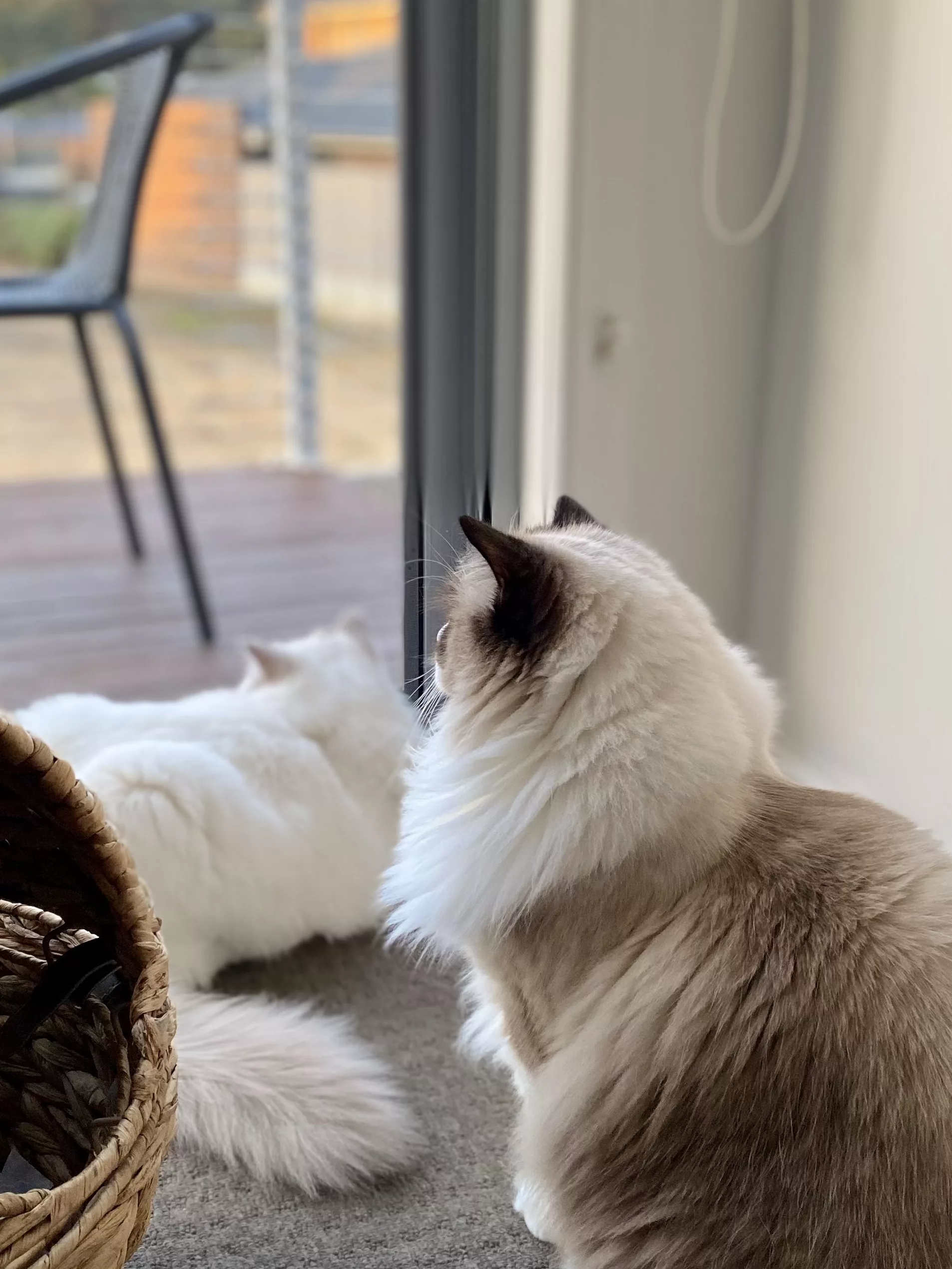
One way to help your kitten adjust to their new surroundings is by providing a safe and comfortable space for them to retreat to. This can be a separate room or area of the house where they can feel secure and calm.
Make sure to include familiar objects such as their bed, toys, and litter box to help them feel more at home.
Additionally, consider using pheromone sprays or diffusers, which can help reduce anxiety and promote relaxation in cats.
Another important factor in reducing kitten anxiety is establishing a routine. Cats thrive on routine and predictability, so try to establish a consistent schedule for feeding, playtime, and litter box cleaning.
This can help your kitten feel more secure and in control of their environment. Remember to be patient and understanding during this transition period, as it may take some time for your kitten to adjust to their new home.
By taking these steps, you can help your new furry friend feel more comfortable and confident in their new surroundings.
What you'll learn from this article
Understanding Kitten Anxiety
As a new kitten owner, it’s important to understand that anxiety is a common issue for felines, just like it is for people. Kittens, in particular, can experience anxiousness and stress due to a variety of sources, such as moving to a new home, being separated from their mother and littermates, or changes in their environment.
Symptoms of an anxious kitten can vary, but some common signs include excessive vocalization, excessive grooming, and changes in behavior. It’s important to note that these symptoms can also be indicative of illness or a disorder, so it’s essential to have your kitten checked by a veterinarian to rule out any underlying health issues.
Diagnosing anxiety in cats can be challenging, as there are no specific tests to confirm it. Instead, veterinarians will rely on observing your kitten’s behavior and asking you about their fears, phobias, and panic triggers. In some cases, they may refer you to a veterinary behaviorist to address any behavioral problems.
Reducing anxiety levels in your kitten involves creating a safe and secure environment. This can include providing them with a designated space where they can retreat to when feeling overwhelmed, such as a cozy bed or a hiding spot. Additionally, establishing a routine and sticking to it can help your kitten feel more secure and less stressed.
It’s also important to note that some kittens may benefit from pheromone therapy, which involves using synthetic pheromones to create a calming environment. This treatment can be administered through sprays, diffusers, or collars, and can help reduce anxiety levels in some felines.
In conclusion, understanding and addressing kitten anxiety is an essential part of being a responsible pet owner. By creating a safe and secure environment, establishing a routine, and seeking veterinary care when necessary, you can help your kitten feel more comfortable and less stressed in their new home.
Causes of Anxiety in Kittens
As a cat owner, it’s important to understand the causes of anxiety in kittens. Here are some factors that can contribute to kitten anxiety:
Environment
The environment in which a kitten lives can play a significant role in causing anxiety. Loud noises, unfamiliar smells, and new surroundings can all trigger anxiety in kittens.
Change
Moving to a new home can be a stressful experience for kittens. The unfamiliar surroundings, new smells, and different routines can all contribute to anxiety.
Separation Anxiety
Kittens can also experience separation anxiety when they are separated from their owners or other pets. This can lead to excessive meowing, destructive behavior, and other signs of anxiety.
Experiences
Negative experiences, such as being mistreated or abused, can cause lasting anxiety in kittens. Even a single traumatic event can have long-lasting effects on a kitten’s mental health.
Genetics and Personality
Some kittens are simply more prone to anxiety than others. Genetics can play a role in a kitten’s personality and temperament, which can contribute to anxiety.
Trauma
Kittens who have experienced trauma, such as being abandoned or losing their mother at a young age, can also develop anxiety.
Health Issues
Certain health issues, such as urinary tract infections or other medical conditions, can cause anxiety in kittens. It’s important to rule out any underlying health issues if you suspect your kitten is experiencing anxiety.
By understanding the potential causes of anxiety in kittens, you can take steps to help your furry friend feel more comfortable and secure in their new home.
Recognizing Anxiety Symptoms
As a new kitten owner, it is important to recognize the symptoms of anxiety in your furry friend. Here are some signs to look out for:
- Hiding: If your kitten is hiding more than usual or in unusual places, it may be a sign of anxiety.
- Scratching: Excessive scratching or destructive behavior may indicate that your kitten is feeling overwhelmed or anxious.
- Overwhelm: New environments can be overwhelming for kittens, and they may show signs of anxiety such as panting, trembling, or pacing.
- Feelings: Kittens can experience a range of emotions, and anxiety is no exception. Look out for signs of fear, nervousness, or unease.
- Aggression: If your kitten is displaying aggressive behavior, such as biting or scratching, it may be a sign of anxiety.
- Excessive vocalization: Meowing or crying excessively can be a sign of anxiety in kittens.
- Grooming: Over-grooming or grooming in unusual places can be a sign of anxiety in kittens.
- Illness: It is important to rule out any underlying medical conditions that may be causing your kitten’s anxiety.
- Restlessness: If your kitten is having trouble settling down or sleeping, it may be a sign of anxiety.
- Behavior problem: If your kitten is exhibiting any unusual or problematic behavior, it may be a sign of anxiety.
By recognizing these symptoms, you can take steps to help your kitten feel more comfortable and secure in their new home.
Consulting a Veterinarian
If you notice that your kitten is experiencing anxiety, it’s important to consult a veterinarian. They can help you diagnose any underlying health issues that may be contributing to your kitten’s anxiety and recommend an appropriate treatment plan.
During your visit, your veterinarian will likely ask you about your kitten’s behavior and any changes you’ve noticed since bringing them home. They may also perform a physical examination to rule out any underlying health issues that could be contributing to your kitten’s anxiety.
Based on their diagnosis, your veterinarian may recommend a variety of treatments, including medication, behavioral therapy, or a combination of both. They may also recommend changes to your kitten’s environment, such as providing them with a quiet space to retreat to or increasing their playtime to help reduce stress.
It’s important to follow your veterinarian’s recommendations closely to ensure that your kitten receives the appropriate treatment for their anxiety. With the right treatment plan, you can help your kitten feel more comfortable and confident in their new home.
How To Reduce Kitten Anxiety In Its New Home
When I bring a new kitten home, I always make sure to create a comfortable environment for them to adjust to their new surroundings. Here are some tips that I have found helpful:
- Prepare a Safe Place: I like to prepare a safe place for my kitten to retreat to when they feel overwhelmed. This can be a crate, a cardboard box, or a designated room with all their essentials (bed, litter box, food, water, toys). It’s important to make sure this safe space is free from any hazards and that the kitten feels safe and secure there.
- Provide a Cozy Bed: A cozy bed with a warm blanket is a great way to help your kitten feel safe and sound in their new home. Make sure the bed is in a quiet area away from any loud noises or distractions.
- Invest in a Cat Tree: A cat tree is a great way to provide your kitten with a safe and elevated space to relax and play. It’s also a great way to help them feel more comfortable in their new environment by providing them with a sense of familiarity.
- Eliminate Hazards: Before bringing your kitten home, make sure to eliminate any potential hazards in your home. This includes things like toxic plants, loose cords, and small objects that your kitten could choke on.
- Create a Safe Space: Creating a safe space for your kitten is important to help them feel comfortable in their new surroundings. This can be a designated room or area that is free from any hazards and has all their essentials.
Overall, creating a comfortable environment for your kitten is key to reducing their anxiety in their new home. By providing them with a safe and secure space, you can help them adjust to their new surroundings and feel more at ease.
Providing Proper Nutrition
As a responsible kitten owner, I know that providing proper nutrition is crucial for my kitten’s health and well-being. This is especially important when my kitten is adjusting to a new home, as stress can affect its appetite and digestion.
To ensure my kitten receives the necessary nutrients, I provide it with high-quality kitten food that is specifically formulated to meet its nutritional needs. I make sure to read the label and choose a food that contains a balanced ratio of protein, fat, and carbohydrates.
In addition to kitten food, I also provide my kitten with fresh water at all times. I change the water daily and make sure to use a clean bowl. I avoid using plastic bowls as they can harbor bacteria and cause chin acne in some kittens. Instead, I opt for ceramic or stainless steel bowls that are easy to clean and sanitize.
To encourage my kitten to eat and drink, I make mealtime a pleasant experience. I feed my kitten in a quiet and calm area away from distractions. I also make sure to use a bowl that is appropriate for its size and age. For example, shallow bowls are better for kittens as they have shorter necks and can reach the food easier.
Overall, providing proper nutrition is essential for my kitten’s health and happiness. By choosing high-quality kitten food, providing fresh water, and using appropriate bowls, I can ensure that my kitten is getting the nutrients it needs to thrive.
Using Toys and Playtime to Reduce Stress
As a new kitten owner, I understand how stressful the first few days can be for both you and your furry friend. One of the best ways to reduce kitten anxiety is by providing toys and playtime to keep your kitten engaged and stimulated.
Toys are a great way to keep your kitten entertained and provide them with a positive outlet for their energy. Interactive toys like feather wands, laser pointers, and puzzle toys are perfect for encouraging your kitten to play and explore. Not only do they provide physical exercise, but they also challenge your kitten’s mind, which can help reduce stress and anxiety.
When it comes to playtime, it’s important to remember that kittens have short attention spans. It’s best to keep play sessions short and frequent throughout the day. This will help prevent your kitten from becoming overstimulated and overwhelmed.
In addition to toys, providing enrichment opportunities like scratching posts and climbing structures can also help reduce kitten anxiety. These types of toys provide your kitten with an outlet for their natural instincts, which can help reduce stress and anxiety.
Overall, incorporating toys and playtime into your kitten’s daily routine is an excellent way to reduce anxiety and provide them with the stimulation they need to thrive in their new home.
Establishing a Routine
When bringing a new kitten home, it’s important to establish a routine as soon as possible. This routine should include feeding times, playtime, and scheduled cuddles. By establishing a routine, your kitten will know what to expect and when to expect it, which will help them feel more secure and reduce their anxiety.
I found that setting up a feeding schedule and sticking to it is particularly helpful for reducing anxiety. Feeding your kitten at the same time every day will help them feel more secure and establish trust between you and your kitten. Additionally, playtime and cuddles should be scheduled around feeding times, so your kitten knows when to expect these activities.
It’s important to remember that every kitten is different, so it’s essential to be patient and adjust the routine as needed. Some kittens may prefer playtime before feeding, while others may prefer cuddles after feeding. It’s essential to pay attention to your kitten’s behavior and adjust the routine accordingly.
In addition to establishing a routine, it’s also important to bond with your kitten. Spending time with your kitten, playing with them, and cuddling with them will help establish trust and reduce anxiety. It’s essential to be patient and allow your kitten to adjust to their new home at their own pace.
Overall, establishing a routine and bonding with your kitten are essential steps to reducing anxiety in a new home. By being patient, adjusting the routine as needed, and spending time with your kitten, you can help them feel more secure and comfortable in their new environment.
Using Anxiety Aids and Treatments
When bringing a new kitten into your home, it’s important to create a safe and comfortable environment that will help reduce their anxiety. Here are some anxiety aids and treatments that can be used to help your kitten feel more relaxed and at ease in their new surroundings.
Feliway
Feliway is a synthetic pheromone that mimics the natural scent cats use to mark their territory. It can help reduce stress and anxiety in cats by creating a calming and familiar environment. Feliway comes in a variety of forms, including sprays, diffusers, and wipes, and can be used in areas where your kitten spends most of their time, such as their sleeping area or litter tray.
Presence
One of the best ways to help your kitten feel comfortable in their new home is to spend time with them. Sitting with your kitten and providing them with attention and affection can help reduce their anxiety and build trust. It’s important to be patient and let your kitten adjust to their new surroundings at their own pace.
Reduce Stress
Reducing stress in your kitten’s environment can also help reduce their anxiety. This can be done by providing them with a quiet and calm space to rest, away from loud noises and other pets. It’s also important to provide your kitten with plenty of toys and activities to keep them occupied and stimulated.
Radio or Television
Playing soft music or leaving the television on can help provide background noise and create a calming atmosphere for your kitten. This can be especially helpful when you are away from home, as it can help reduce their anxiety and provide a sense of comfort and security.
Treats
Providing your kitten with treats can be a great way to help reduce their anxiety and build positive associations with their new surroundings. Treats can be used as a reward for good behavior or to distract your kitten during stressful situations, such as vet visits or travel.
Litter Tray and Scratching Post
Providing your kitten with a litter tray and scratching post can also help reduce their anxiety. These items provide a sense of familiarity and comfort, and can help your kitten feel more at home in their new surroundings.
Overall, there are many anxiety aids and treatments available that can help reduce your kitten’s anxiety and make their transition to their new home as smooth as possible. By providing a safe and comfortable environment, spending time with your kitten, and using anxiety aids and treatments, you can help your kitten feel happy and relaxed in their new surroundings.
Socializing Your Kitten
When bringing a new kitten home, it’s important to help them adjust to their new environment and reduce any anxiety they may be feeling. One way to do this is through socialization.
Socializing your kitten involves teaching them proper behaviors with other animals and humans, as well as helping them feel relaxed and at ease in their new home. This can help prevent anxiety and promote a healthy, happy relationship between you and your new companion.
To socialize your kitten, start by introducing them to different people and animals in a calm and controlled environment. Let them explore their surroundings at their own pace and reward them with treats or praise when they show positive behavior.
It’s also important to handle your kitten gently and frequently to help them get used to being touched and handled. This can include petting, holding, and grooming them regularly.
As your kitten becomes more comfortable in their new home, gradually introduce them to new experiences and environments. This can include taking them for short walks on a leash or introducing them to new toys and games.
Remember, socialization is an ongoing process and requires patience and consistency. With time and effort, you can help your kitten adapt to their new home and become a happy, well-adjusted companion.
Monitoring and Adjusting
As a responsible pet owner, it is important to monitor your kitten’s behavior and adjust your actions accordingly to reduce its anxiety in a new home. Here are some tips to help you monitor and adjust:
- Behavior checklist: Keep a behavior checklist to track your kitten’s progress in adjusting to its new home. Note any behaviors that indicate anxiety, such as hiding, excessive meowing, or aggression. This will help you identify patterns and adjust your approach accordingly.
- Prepared response: Have a prepared response for when your kitten exhibits anxious behavior. This could include offering treats, playing with toys, or simply giving your kitten space. It is important to respond in a calm and reassuring manner to avoid escalating the situation.
- Environment: Ensure that your kitten has a safe and comfortable environment to reduce its anxiety. This includes providing a cozy bed, litter box, and scratching post. Additionally, consider using pheromone sprays or diffusers to create a calming atmosphere.
- Socialization: Gradually introduce your kitten to other pets and people in the household to help it adjust. Monitor their interactions closely and intervene if necessary to prevent any negative experiences.
By monitoring your kitten’s behavior and adjusting your approach accordingly, you can help reduce its anxiety and ensure a smooth transition to its new home. Remember to be patient and consistent in your efforts, and seek advice from a veterinarian or animal behaviorist if necessary.
Frequently Asked Questions
How long does it take for a kitten to adjust to a new home?
It can take a kitten anywhere from a few days to a few weeks to adjust to a new home. Each kitten is different, and some may take longer than others to feel comfortable in their new surroundings.
What are some ways to calm an anxious kitten in a new home?
There are a few things you can do to help calm an anxious kitten in a new home. First, make sure they have a safe, quiet space to retreat to when they feel overwhelmed. You can also try using calming pheromone sprays or diffusers, or playing soft music to help them relax.
What are some signs that a kitten is scared or anxious?
Some signs that a kitten is scared or anxious include hiding, hissing, growling, or avoiding interaction with humans or other pets. They may also have changes in their appetite or litter box habits.
Are there any toys or treats that can help reduce kitten anxiety?
There are some toys and treats that may help reduce kitten anxiety, such as puzzle toys or toys that dispense treats. You can also try giving them catnip or other calming treats, but be sure to check with your vet first.
How can I make my new kitten feel comfortable in its new home?
To make your new kitten feel comfortable in its new home, make sure they have a designated space with all of their essentials, such as a bed, litter box, food, and water. You can also try using familiar items, such as blankets or toys from their previous home, to help them feel more at ease.
Will a shy kitten always be shy or can it be trained to be more confident?
While some kittens may be naturally more shy or timid than others, with patience and training, you can help them become more confident. Start by gradually exposing them to new experiences and people, and rewarding them for positive behavior. Over time, they may become more comfortable and outgoing.
