When it comes to playing with your new kitten, there are certain dos and don’ts that every owner should be aware of.
As adorable as they are, kittens can be delicate creatures that require special attention and care.
In this article, I will share some important tips on how to play with your new kitten safely and effectively.
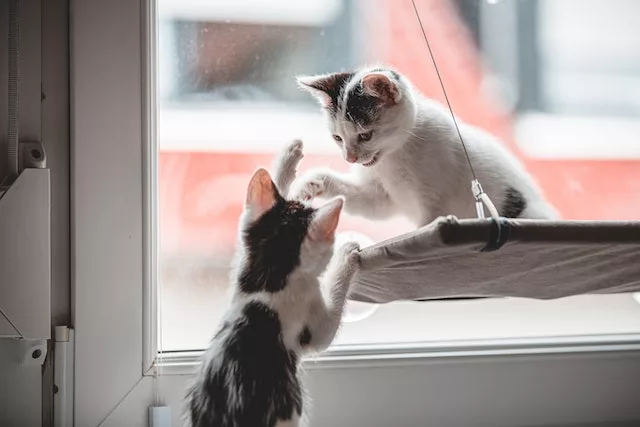
Photo by Anna Hinckel
First and foremost, it’s important to understand that playtime is essential for a kitten’s physical and mental development. Through play, kittens learn important skills such as coordination, communication, and socialization.
However, it’s crucial to make sure that the play is appropriate and safe for your kitten. Roughhousing or using your hands as toys can encourage biting and scratching, which can be painful and potentially harmful to both you and your kitten.
What you'll learn from this article
In order to ensure a safe and enjoyable playtime, it’s important to provide your kitten with appropriate toys and play areas. Vertical territory, such as cat trees and shelves, can provide a safe space for your kitten to climb and explore.
Interactive toys, such as wand toys or puzzle feeders, can stimulate your kitten’s mind and encourage healthy play behaviors.
By following these dos and don’ts, you can create a fun and safe environment for your new kitten to play and grow.
Playing With Your New Kitten
As a new kitten owner, it’s important to understand your furry friend’s behavior and learning process. Kittens are curious and playful creatures that require attention and patience to help them adjust to their new home. Here are some dos and don’ts to keep in mind when playing with your new kitten:
- Do: Allow your kitten to explore their new surroundings. Kittens are naturally curious and will enjoy investigating their new home. However, make sure to supervise them to ensure their safety.
- Don’t: Yell or physically punish your kitten. Punishment is not an effective way to teach your kitten what to do and can cause negative associations with you.
- Do: Provide appropriate toys for your kitten to play with, such as balls, feather wands, and catnip mice. Playing with your kitten is a great way to bond and learn about their personality.
- Don’t: Use your hands or feet as toys. This can encourage biting and scratching, which can be painful and harmful.
- Do: Gradually introduce your kitten to new experiences, such as meeting new people and other pets. This will help them become well-adjusted and socialized.
- Don’t: Overstimulate your kitten. Kittens have short attention spans and can become overwhelmed easily. Take breaks when playing to avoid overstimulation.
Remember, your new kitten is still learning and adjusting to their new home. Be patient and provide them with plenty of love and attention to help them feel comfortable and happy.
Preparing Your Home
Before bringing home a new kitten, there are a few things you should do to prepare your home. This will help ensure that your kitten has a safe and comfortable environment to explore and play in.
First, make sure that you have all of the necessary household essentials. This includes things like food and water dishes, litter boxes, and litter. You’ll also want to have a carrier on hand for trips to the vet or other outings.
Next, cats are inquisitive creatures and playing with your new kitten involves creating a hiding spot for your furry friend. This could be a cardboard box or a small cat bed where your kitten can retreat to when feeling overwhelmed or scared. Providing a hiding spot will help your kitten feel safe and secure in their new environment.
It’s also important to have a scratching post and/or cat tree available for your kitten. Cats need to scratch to keep their claws healthy and to mark their territory. Providing a designated scratching area will help prevent your kitten from scratching furniture or other household items.
Finally, make sure that your home is kitten-proofed. This means removing any potential hazards such as plants that are toxic to cats or small objects that could be swallowed. Keep electrical cords out of reach and make sure that windows and doors are secure.
By taking these steps to prepare your home, you’ll be setting your kitten up for a happy and healthy life with you.
Feeding and Nutrition
Feeding your new kitten a nutritionally complete diet that is tailored to their specific needs is vital for supporting healthy development and laying the foundation for a healthy future. As a responsible pet owner, I make sure that my kitten’s diet consists of high-quality kitten food that is packed with essential nutrients.
Kitten food is specially formulated to meet the unique nutritional needs of growing kittens. It contains the right balance of protein, fats, and carbohydrates that are essential for their growth and development. I always make sure to choose a kitten food that is age-appropriate, as the nutritional requirements of kittens change as they grow older.
I avoid feeding my kitten human food, as it can be harmful to their health. Some human foods can cause digestive problems, while others can be toxic to cats. I also avoid feeding my kitten treats that are high in calories, as this can lead to obesity and other health problems.
When it comes to feeding my kitten, I follow a strict feeding schedule to ensure that they are getting the right amount of food at the right time. I always make sure to provide fresh water for my kitten, as dehydration can be a serious problem for cats.
In conclusion, feeding and nutrition are essential components of caring for a new kitten. By providing a nutritionally complete diet that is tailored to their specific needs, following a feeding schedule, and avoiding human food and high-calorie treats, I am doing my part to ensure that my kitten grows up healthy and happy.
Playtime and Toys
Playing with your new kitten is a great way to bond with them and provide them with much-needed exercise. Here are some dos and don’ts when it comes to playtime and toys.
Dos
- Use interactive toys such as teaser wands or laser pointers to avoid encouraging aggressive behavior towards your hands or feet.
- Provide a variety of toys to keep your kitten entertained. Balls, yarn, ribbon, and paper bags are all great options.
- Supervise playtime to ensure your kitten doesn’t accidentally ingest any small parts of their toys.
- Rotate toys to keep your kitten interested and prevent boredom.
Don’ts
- Don’t use your hands or feet as playthings. This can encourage biting and scratching behavior that can be painful and dangerous.
- Don’t use toys with strings or ribbons that your kitten can easily swallow or get tangled in.
- Don’t leave your kitten unsupervised with toys that could pose a choking hazard.
By following these dos and don’ts, you can ensure that playtime with your kitten is safe and enjoyable for both of you.
Training and Discipline
Training and discipline are important aspects of owning a new kitten. As a responsible pet owner, it is important to start training your kitten as early as possible to establish good habits and behaviors. Here are some dos and don’ts of training and discipline with your new kitten:
Dos
- Be consistent: Consistency is key when it comes to training your kitten. Use the same commands and rewards every time to help your kitten learn quicker.
- Use positive reinforcement: Reward good behavior with treats, praise, or playtime. Positive reinforcement is a more effective way to train your kitten than punishment.
- Start early: Start training your kitten as early as possible to establish good habits and behaviors. Kittens are quick learners, and it is easier to reinforce good habits at an early age than break bad ones later on.
- Be patient: Training takes time and patience. Don’t expect your kitten to learn everything overnight. Be patient and consistent, and your kitten will eventually learn.
Don’ts
- Punish your kitten: Punishing your kitten for bad behavior is not an effective way to train them. Physical punishment can cause fear and anxiety, making your kitten more likely to repeat the bad behavior.
- Use harsh language: Avoid using harsh language or yelling at your kitten. This can also cause fear and anxiety, making it harder for your kitten to learn.
- Expect too much too soon: Don’t expect your kitten to learn everything at once. Training takes time and patience, so start with simple commands and work your way up.
In summary, training and discipline are important aspects of owning a new kitten. Use positive reinforcement, be consistent, start early, and be patient. Avoid punishing your kitten, using harsh language, or expecting too much too soon. With time and patience, your kitten will learn and develop good habits and behaviors.
Grooming and Health Care
As a responsible pet owner, it is important to take care of your kitten’s grooming and health needs. Here are some dos and don’ts to keep in mind:
Grooming
Grooming is an essential part of keeping your kitten healthy and happy. Here are some grooming tips to follow:
- Brush your kitten’s fur regularly to prevent matting and tangles. Use a soft-bristled brush and be gentle.
- Trim your kitten’s nails regularly to prevent them from getting too long. Use a pair of pet nail clippers and be careful not to cut the quick (the pink part of the nail that contains blood vessels).
- Clean your kitten’s ears regularly to prevent infections. Use a cotton ball or soft cloth and a gentle ear cleaner made specifically for cats.
- Bathe your kitten only when necessary. Most cats are good at grooming themselves and don’t need to be bathed regularly. If your kitten does need a bath, use a cat-specific shampoo and be gentle.
Health Care
Regular visits to the vet are important to ensure your kitten stays healthy. Here are some health care tips to follow:
- Schedule regular check-ups with your vet. Your vet can help you keep your kitten up-to-date on vaccinations and check for any health issues.
- Deworm your kitten regularly. Kittens are prone to intestinal parasites, so it’s important to deworm them regularly. Your vet can recommend a deworming schedule for your kitten.
- Keep your kitten up-to-date on vaccinations. Vaccinations are important to protect your kitten from common diseases. Your vet can recommend a vaccination schedule for your kitten based on their age and lifestyle.
By following these grooming and health care tips, you can help keep your kitten healthy and happy.
Socialization and Interaction
As a new pet parent, it’s essential to understand the importance of socialization and interaction with your kitten. Socialization is the process of introducing your kitten to new experiences, people, animals, and places in a positive and controlled manner. This process is crucial as it helps your kitten to develop relationships with other living beings in its environment, which can reduce fear and anxiety.
When it comes to human interaction, it’s essential to start early. Begin socializing your kitten as soon as its eyes open. Although kittens are blind and deaf for the first few weeks of life, they’ll soon start paying attention to their surroundings. Once the kitten’s eyes open, you can start to touch and interact with it. This usually happens when the kitten is around 2 weeks old.
It’s important to interact with your kitten in a gentle and positive way. Avoid rough play or any behavior that may scare or hurt your kitten. Instead, use toys to play with your kitten and encourage them to play with you. Playing is also a great way to socialize your kitten and form a bond with them early on in your relationship.
Before introducing your new kitten to other pets in your household, visit your veterinarian to ensure all pets are healthy and their vaccinations are up to date. When introducing your kitten to other pets, do so gradually and under supervision. Keep in mind that older cats may not be as accepting of a new kitten as you might hope, so be patient and give them time to adjust.
In summary, socialization and interaction are essential for your kitten’s development and well-being. Start early, be gentle and positive, and introduce them to new experiences, people, and animals gradually and under supervision. By following these dos and don’ts, you’ll help your kitten become a happy and well-adjusted member of your family.
Safety Measures and Precautions
As a responsible pet owner, it’s important to ensure that your kitten is safe while playing. Here are some safety measures and precautions that I follow when playing with my new kitten:
- Scratching: Kittens love to scratch, but it’s important to provide them with appropriate scratching surfaces to avoid damage to furniture and other household items. I make sure to provide my kitten with a scratching post or mat and encourage her to use it. I also trim her nails regularly to prevent any accidental scratches.
- Aggression: While playing with your kitten, it’s important to monitor their behavior for any signs of aggression. If your kitten becomes aggressive or bites, it’s important to stop playing immediately and redirect their attention to a toy or scratching post. I also make sure to never play aggressively with my kitten, as this can lead to unwanted behavior.
- Hiding: Kittens may sometimes hide during playtime, which can be a sign of fear or anxiety. I always make sure to provide my kitten with a safe and comfortable space to retreat to if she feels overwhelmed. I also avoid forcing her to play if she seems hesitant or scared.
Stalking: While stalking is a natural behavior for cats, it’s important to discourage your kitten from stalking people or other pets in the household. I make sure to redirect my kitten’s attention to a toy or scratching post if she starts to stalk people or other pets.
In addition to these measures, it’s important to always supervise your kitten during playtime and avoid leaving them unattended with toys or other objects that could be dangerous. By following these safety measures and precautions, you can ensure that your kitten stays safe and healthy while enjoying playtime.
Conclusion
In conclusion, playing with a new kitten can be a fun and rewarding experience for both the kitten and the owner. However, it is important to remember that kittens are delicate creatures that require patience and gentle handling. As a cat owner, it is your responsibility to provide a safe and stimulating environment for your new kitten to play and explore.
Remember to provide a variety of toys and play options for your kitten to keep them entertained and engaged. Be patient and allow your kitten to explore at their own pace, while also setting boundaries and rules for their behavior.
It is important to remember that kittens have sharp claws and teeth, so always be cautious when playing with them. Avoid rough play and never use your hands or feet as toys. Instead, provide your kitten with appropriate toys and scratching posts to redirect their natural instincts.
Overall, playing with a new kitten can be a wonderful experience as long as you approach it with patience, knowledge, and care. As a cat owner, it is your responsibility to provide a safe and nurturing environment for your kitten to grow and thrive. With the right approach, you can build a strong bond with your new furry friend that will last a lifetime.
Frequently Asked Questions
How can I play with my new kitten without toys?
While toys are a great way to play with your kitten, you can also play with them using household items. For example, you can use a piece of string or a ribbon to create a fun game of chase. You can also use a paper bag or box for your kitten to hide and play in. Just make sure that the items you use are safe for your kitten to play with.
What are some tips for raising a calm kitten?
To raise a calm kitten, it’s important to provide them with a safe and comfortable environment. Make sure they have a cozy bed to sleep in, access to food and water, and a clean litter box. You should also provide them with plenty of opportunities for play and exercise. Finally, be patient and consistent with your training and discipline.
What toys do kittens enjoy playing with?
Kittens enjoy a variety of toys, including balls, stuffed animals, and toys with feathers or strings. You can also try puzzle toys or treat-dispensing toys to keep your kitten mentally stimulated.
How long should I play with my kitten each day?
Kittens have a lot of energy and need plenty of playtime each day. Aim for at least 20-30 minutes of playtime each day, but feel free to play with your kitten for longer if they seem interested.
What should I avoid doing when playing with my kitten?
Avoid rough play that could hurt your kitten, such as wrestling or using your hands or feet as toys. You should also avoid using laser pointers, as they can be frustrating for your kitten since they can never actually catch the light. Finally, be sure to supervise your kitten during playtime to ensure their safety.
Should I play with my kitten and how often?
Yes, you should definitely play with your kitten! Playtime is important for bonding and for your kitten’s physical and mental health. Aim for at least one play session each day, but feel free to play with your kitten more often if they seem interested.
