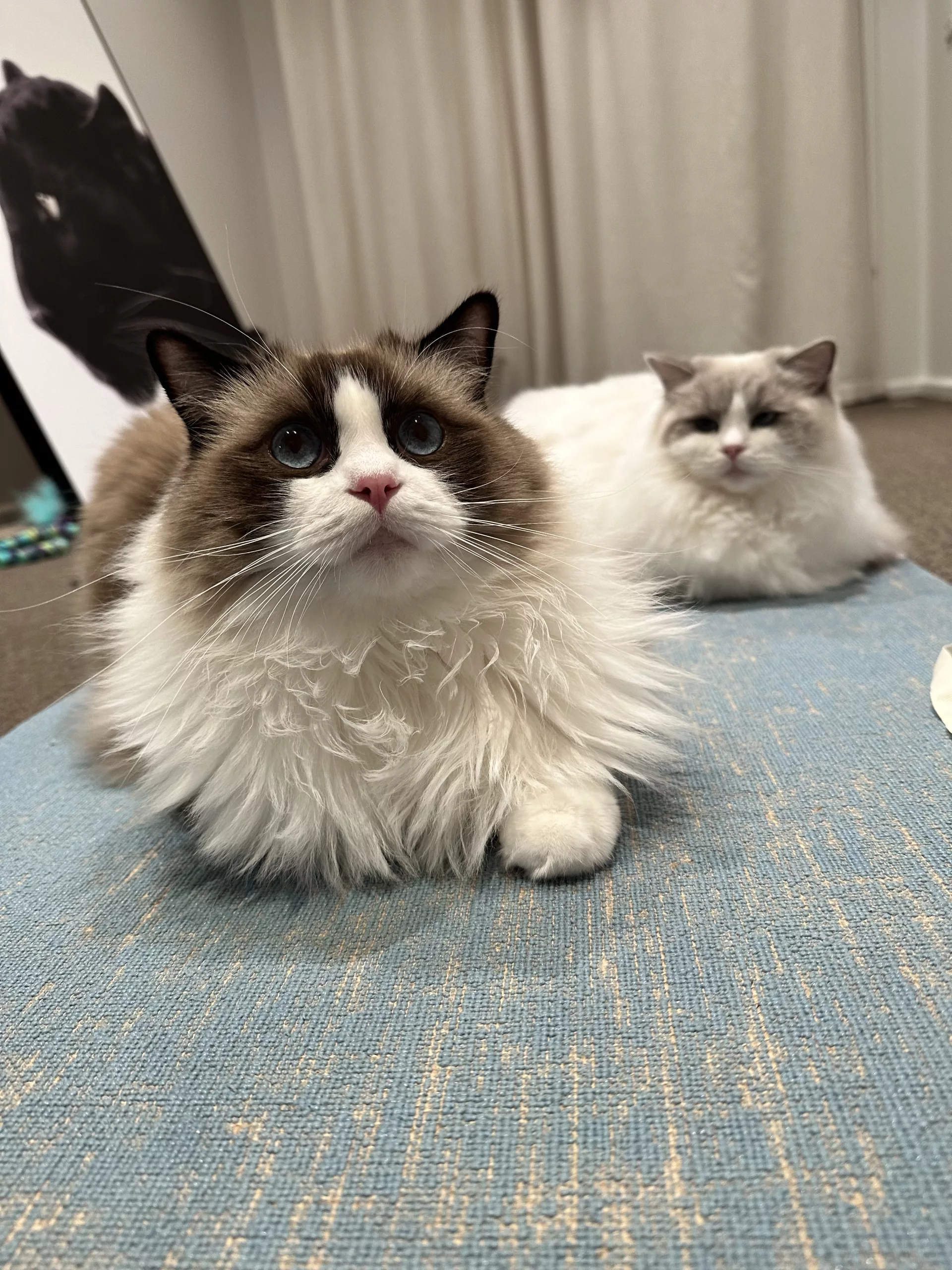
Training a ragdoll kitten for car rides can be a daunting task, but with patience and consistency, it can be done successfully.
As a ragdoll owner, I know firsthand the importance of training my kitten to be comfortable in the car, especially when traveling long distances. In this article, I will share some tips and tricks that have worked for me and my ragdoll kitten, Rocket.
The first step in training your ragdoll kitten for car rides is to get them comfortable with their carrier. Start by placing the carrier in a familiar and safe space, like their favorite room or corner of the house.
Leave the carrier open and let your kitten explore it at their own pace. You can even place treats or toys inside to encourage them to go in and out of the carrier.
Once your kitten is comfortable with the carrier, it’s time to introduce them to the car. Start by placing the carrier in the car with the door open and let your kitten explore it.
Gradually, start closing the door for short periods of time, while you are sitting in the car with them. This will help your kitten get used to the sounds and movements of the car.
Remember to always reward your kitten with treats or praise when they do well.
What you'll learn from this article
Understanding Ragdoll Kittens
Ragdoll kittens are known for their loving and playful personalities. They are smart and can be trained to do a variety of things, including going on car rides. However, it’s important to understand their hyperactive nature and how to train them effectively.
Firstly, it’s important to note that Ragdoll kittens are very sociable and love attention. They are not independent cats and crave human companionship. This makes them great pets for families with children or those who want a loving companion.
When it comes to training ragdoll kittens for car rides, it’s important to start early. Introduce them to the car slowly and make it a positive experience. This can be done by placing their food or toys in the car so they associate it with positive things.
Ragdoll kittens can be hyperactive, so it’s important to keep them entertained during car rides. This can be done by providing them with toys or treats to keep them occupied. It’s also important to ensure they are secure and safe during the ride.
In conclusion, Ragdoll kittens are loving, playful, and smart cats that can be trained for car rides. Understanding their hyperactive nature and providing them with positive experiences and entertainment can make car rides a breeze.
Training Your Ragdoll Kitten for Car Rides
Before starting the training process, it’s important to prepare your ragdoll kitten for car rides. Here are some pre-training preparations that you should consider:
1. Get a Carrier or Crate
A carrier or crate is essential for transporting your kitten safely in the car. Choose a carrier that is sturdy, well-ventilated, and big enough for your kitten to stand up, turn around, and lie down comfortably. Introduce your kitten to the carrier gradually by placing it in the carrier with a comfortable blanket and some toys. Leave the carrier open in your home so that your kitten can explore it on its own.
2. Introduce a Leash and Harness
A leash and harness can help keep your kitten secure during car rides. Start by introducing the harness to your kitten and let it get used to wearing it around the house. Once your kitten is comfortable with the harness, attach the leash and let your kitten drag it around. This will help your kitten get used to the sensation of being on a leash.
3. Familiarize Your Kitten with the Car
Before taking your kitten on a car ride, let it explore the car first. Place your kitten in the car with the carrier or crate, and let it sniff around and get used to the environment. You can also turn on the engine and let your kitten get used to the sound and vibration of the car.
4. Use a Comforting Blanket or Toy
A comforting blanket or toy can help your kitten feel more relaxed during car rides. Choose a blanket or toy that your kitten is familiar with and has a comforting scent. You can also use catnip or Feliway spray to help calm your kitten.
5. Consider a Thundershirt
A thundershirt is a type of shirt that provides gentle pressure to help calm your kitten during car rides. It can be especially helpful for kittens that are prone to anxiety or stress. Introduce the thundershirt to your kitten gradually, and let it get used to wearing it around the house before using it during car rides.
6. Provide Access to a Litter Box
Make sure your kitten has access to a litter box during car rides. You can use a small, portable litter box that fits inside the carrier or crate. This will help your kitten feel more comfortable and reduce the risk of accidents.
By taking these pre-training preparations, you can help your ragdoll kitten feel more comfortable and secure during car rides.
Cat Road Trip Tips
Training your Ragdoll kitten for car rides can be a challenging task, but it is not impossible. Here are some basic training principles that you can follow to train your kitten for car rides:
Positive Reinforcement
The most effective way to train your kitten is through positive reinforcement. This means rewarding your kitten for good behavior. Whenever your kitten does something right, give them a treat or praise them. This will encourage them to repeat the behavior in the future.
Consistency
Consistency is key when it comes to training your kitten. Make sure that you are consistent in your commands, rewards, and punishments. This will help your kitten understand what is expected of them.
Patience
Training your kitten for car rides can take time, so it is important to be patient. Do not get frustrated if your kitten does not respond to your commands right away. Keep practicing and rewarding good behavior, and your kitten will eventually learn.
Classical Conditioning
Classical conditioning is a technique that can be used to train your kitten for car rides. This involves pairing a positive stimulus (such as treats or praise) with a neutral stimulus (such as the car). Over time, your kitten will associate the car with positive experiences and will be more likely to enjoy car rides.
Clicker Training
Clicker training is another effective training technique that can be used to train your kitten for car rides. This involves using a clicker to mark good behavior, followed by a treat or praise. Over time, your kitten will associate the clicker with positive experiences and will be more likely to repeat good behavior.
By following these basic training principles, you can train your Ragdoll kitten to enjoy car rides. Remember to be patient, consistent, and use positive reinforcement to encourage good behavior.
Introducing the Car: Travel with a ragdoll cat
When it comes to training your ragdoll kitten for car rides, it’s important to start with a slow and steady approach. This means gradually introducing your kitten to the car, rather than rushing into long car trips right away.
First, start by placing your kitten in the car while it’s parked in your driveway or garage. This will allow your kitten to get used to the smells and sounds of the car without the added stress of movement.
Next, take your kitten on short car trips around the block or to a nearby park. These short trips will help your kitten get used to the sensation of being in a moving car without overwhelming them.
It’s important to prioritize your kitten’s safety during car trips. This means always securing your kitten in a carrier or harness to prevent them from wandering around the car or distracting the driver. Additionally, never leave your kitten alone in a parked car, as this can be dangerous and stressful for them.
Exposure to car travel is key to training your ragdoll kitten for car trips. The more your kitten is exposed to car travel, the more comfortable they will become with the experience. With patience and a gradual approach, your ragdoll kitten can become a pro at car travel in no time.
Crate Training for Car Rides
When it comes to training your Ragdoll kitten for car rides, crate training is an essential step. Not only does it help keep your kitten safe during the ride, but it also helps them feel more comfortable in the car. Here are some tips for crate training your kitten:
- Start Early: Kittens are more adaptable than adult cats, so it’s best to start crate training as early as possible. This helps them get used to the crate and makes it easier to train them for car rides.
- Introduce the Crate Gradually: Don’t force your kitten into the crate right away. Instead, introduce it gradually by leaving the door open and placing treats and toys inside. This helps your kitten associate the crate with positive experiences.
- Feed Your Kitten in the Crate: Once your kitten is comfortable with the crate, start feeding them inside it. This helps them associate the crate with positive experiences and makes it easier to train them for car rides.
- Take Short Car Rides: Once your kitten is comfortable in the crate, start taking short car rides. This helps them get used to the motion of the car and the sounds of the road.
- Reward Good Behavior: Whenever your kitten behaves well in the crate or during a car ride, reward them with treats and praise. This helps reinforce positive behavior and makes future car rides easier.
Overall, crate training is an important step in training your Ragdoll kitten for car rides. By starting early and introducing the crate gradually, you can help your kitten feel more comfortable and secure during car rides.
Managing Motion Sickness
When it comes to training your Ragdoll kitten for car rides, managing motion sickness is an essential aspect to consider. Just like humans, cats can experience motion sickness, which can make car rides a stressful and unpleasant experience for them.
Some common signs of motion sickness in cats include vomiting, drooling, and excessive vocalization. If your kitten experiences any of these symptoms, it’s important to take steps to manage their motion sickness to make car rides more comfortable for them.
One way to manage motion sickness in cats is to provide medications prescribed by a veterinarian. These medications can help control nausea and vomiting, making car rides more pleasant for your kitten. However, it’s important to note that not all cats will respond well to medications, and some may experience side effects.
Another way to manage motion sickness is to gradually acclimate your kitten to car rides. Start by taking short trips around the block and gradually increasing the length of the rides. This will help your kitten get used to the sensation of being in a moving car and may reduce their motion sickness symptoms over time.
It’s also important to create a calm and relaxing environment in the car to help your kitten feel more comfortable. This can be achieved by playing calming music, using a pheromone spray, or providing a comfortable carrier or bed for your kitten to rest in during the ride.
In addition, it’s a good idea to avoid feeding your kitten for a few hours before the car ride to reduce the risk of vomiting and motion sickness. However, make sure to provide plenty of water to keep your kitten hydrated during the ride.
By taking steps to manage your Ragdoll kitten’s motion sickness, you can help make car rides a more enjoyable and stress-free experience for both you and your furry friend.
Creating a Positive Car Ride Experience
As a Ragdoll kitten owner, I understand the importance of creating a positive car ride experience for my furry friend. Here are some tips that have worked for me:
Start with Calm and Happy Associations
I always make sure my kitten is calm and happy before starting a car ride. This means providing some affection and playtime before the ride to help them feel relaxed. If your kitten is already anxious, it may be best to reschedule the ride for another time.
Use Positive Reinforcement
Positive reinforcement is key to training your kitten to enjoy car rides. Reward them with treats and affectionate words when they exhibit desirable behavior, such as staying calm or relaxing in their carrier. This will help them associate car rides with positive experiences.
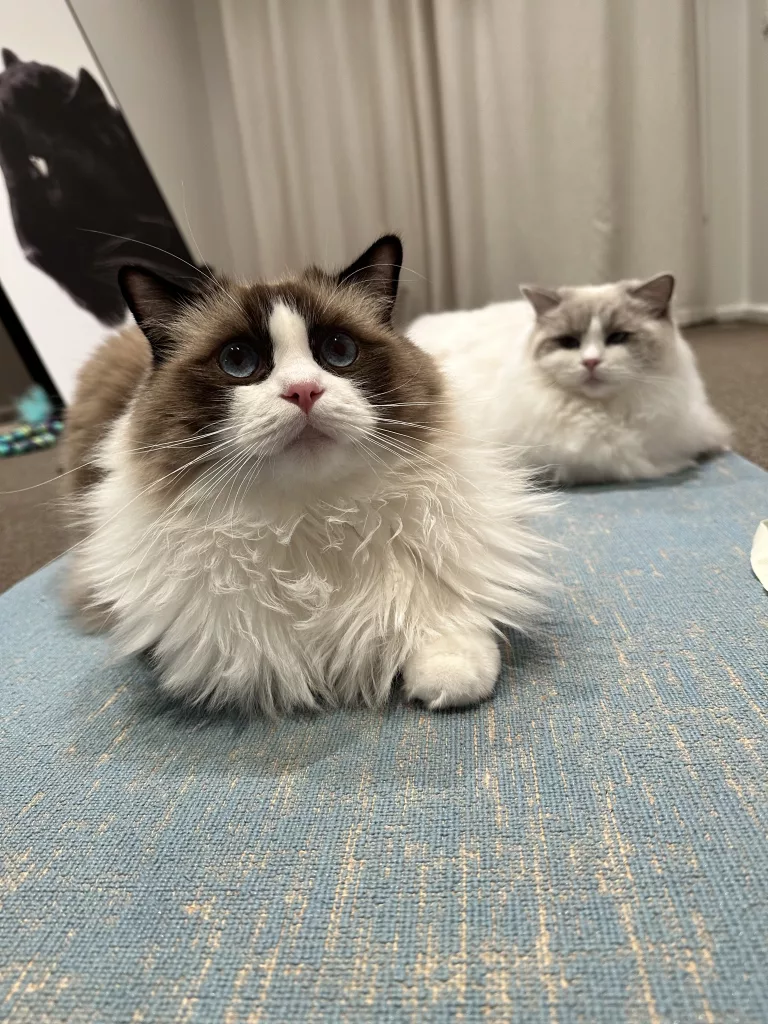
Make Car Rides an Adventure
Car rides can be an exciting adventure for your kitten. Bring along some toys or a favorite blanket to make the ride more enjoyable. You can also try taking them on short trips to fun destinations, such as a park or a pet store. This will help them associate car rides with fun experiences.
Use Classical Conditioning
Classical conditioning can also be helpful in training your kitten to enjoy car rides. This involves pairing a positive stimulus, such as treats or affection, with the car ride. Over time, your kitten will begin to associate car rides with positive experiences.
Avoid Negative Experiences
It’s important to avoid negative experiences during car rides. This means avoiding sudden stops or turns, loud noises, or anything else that could startle or scare your kitten. If they do have a negative experience, be sure to provide comfort and reassurance to help them feel safe and secure.
Remember, creating a positive car ride experience takes time and patience. With the right approach and plenty of love, your Ragdoll kitten can learn to enjoy car rides as much as any adventure.
Advanced Training Techniques
When it comes to training your ragdoll kitten for car rides, there are some advanced techniques that you can use to help your cat feel more comfortable and calm during the trip.
Crate Training
One of the most effective ways to train your cat for car rides is to use a crate. By getting your cat used to the crate, you can help them feel more comfortable and secure during the trip. Start by placing your cat’s favorite toys and treats inside the crate, and leave the door open so they can explore it on their own. Gradually increase the amount of time your cat spends in the crate, and reward them with treats and praise when they enter voluntarily.
Positive Reinforcement
Positive reinforcement is a powerful tool for training your ragdoll kitten. By rewarding good behavior, you can encourage your cat to repeat it in the future. For example, if your cat sits calmly in the car, reward them with a treat or some extra attention. Over time, your cat will learn to associate car rides with positive experiences, and they’ll be more likely to enjoy the trip.
Play and Tricks
Another way to help your ragdoll kitten feel more comfortable in the car is to distract them with play and tricks. Bring along some of their favorite toys and play with them during the trip. You can also teach your cat some simple tricks, like “sit” and “stay”, to keep their mind occupied and reduce anxiety.
Desensitization
Desensitization is a technique that involves gradually exposing your cat to the sights, sounds, and sensations of car rides. Start by taking your cat on short trips around the block, and gradually increase the length and frequency of the trips. Over time, your cat will become more accustomed to the experience, and they’ll be less likely to feel anxious or stressed.
By using these advanced training techniques, you can help your ragdoll kitten feel more comfortable and calm during car rides. With patience and persistence, you can train your cat to enjoy the trip and look forward to future adventures.
Dealing with Travel Anxiety
When it comes to traveling with your Ragdoll kitten, it’s important to be aware of the potential for travel anxiety. Many cats are not used to car rides and may become stressed or anxious during the trip. As a Ragdoll kitten owner, it’s your responsibility to help your pet feel safe and comfortable during car rides.
One way to help reduce travel anxiety is to use a product like Feliway. This synthetic pheromone mimics the scent that cats produce when they feel safe and secure, which can help to calm your kitten during car rides. Alternatively, you can try using a Thundershirt, which is a type of shirt that applies gentle pressure to your kitten’s body, similar to swaddling a baby. This can help to reduce anxiety and make your kitten feel more secure.
In addition to these products, there are a few other things you can do to help reduce travel anxiety. For example, you can try taking your kitten on short car rides around the block to help them get used to being in the car. You can also try placing your kitten’s favorite blanket or toy in their carrier to help them feel more comfortable.
It’s also important to make sure your kitten’s carrier is secure and comfortable. Make sure the carrier is large enough for your kitten to move around in, but not so large that they can get thrown around during the trip. You can also try lining the carrier with a soft blanket or towel to help your kitten feel more comfortable.
By taking these steps, you can help to reduce travel anxiety and make car rides more enjoyable for your Ragdoll kitten. Remember to be patient and understanding, as it may take some time for your kitten to get used to car rides. With a little bit of time and effort, you can help your kitten feel safe and secure during car rides.
Preparing for Long Distance Travel
When it comes to traveling long distances with your Ragdoll kitten, preparation is key. Whether you’re taking a road trip or flying, it’s important to make sure your kitten is comfortable and safe throughout the journey.
Here are some tips for preparing for long distance travel with your Ragdoll kitten:
- Get your kitten used to the carrier: Start by introducing your kitten to the carrier a few weeks before the trip. Leave the carrier open and let your kitten explore it on their own terms. Gradually start feeding your kitten inside the carrier and then close the door for short periods of time. This will help your kitten get used to being in the carrier and reduce stress during travel.
- Pack everything your kitten needs: Make sure to pack all the essentials for your kitten, including food, water, litter, and toys. Bring a familiar blanket or towel from home to help your kitten feel more comfortable in unfamiliar surroundings.
- Prepare for airline travel: If you’re flying with your kitten, make sure to check with the airline for their specific requirements for pet travel. You may need to provide a health certificate from your veterinarian and make sure your kitten is up to date on all necessary vaccinations.
- Consider a pet sitter: If you’re unable to travel with your kitten, consider hiring a pet sitter to take care of them while you’re away. Make sure to choose a reputable and experienced pet sitter who will provide your kitten with the care and attention they need.
By following these tips, you can help ensure that your Ragdoll kitten has a safe and comfortable journey during long distance travel.
Frequently Asked Questions
How to prepare a kitten for car rides?
Before taking your kitten on a car ride, it is important to prepare them for the experience. Start by introducing your kitten to their carrier and making it a comfortable and safe space for them. You can also try taking short trips around the block to get them used to the motion of the car.
What is the best way to introduce a kitten to car rides?
The best way to introduce a kitten to car rides is to start with short trips and gradually increase the length of time spent in the car. Make sure your kitten is comfortable in their carrier and provide them with toys and treats to keep them occupied.
Are car rides safe for kittens?
Car rides can be safe for kittens if they are properly secured in their carrier and the carrier is placed in a secure location in the car. It is also important to make sure the car is well-ventilated and not too hot or cold for your kitten.
What are some tips for making car rides less stressful for kittens?
To make car rides less stressful for your kitten, try playing calming music or using a pheromone spray to help them relax. You can also provide them with toys and treats to keep them occupied and make sure they have access to water and a litter box.
How long can a kitten safely be in a car?
Kittens can safely be in a car for several hours as long as they have access to water, a litter box, and are properly secured in their carrier. However, it is important to take breaks every few hours to allow your kitten to stretch their legs and use the bathroom.
What should I do if my kitten gets car sick?
If your kitten gets car sick, try giving them a small amount of food a few hours before the car ride and avoid feeding them right before the ride. You can also try using a motion sickness medication recommended by your veterinarian. Additionally, make sure your kitten has access to fresh air and is not overheated in the car.
