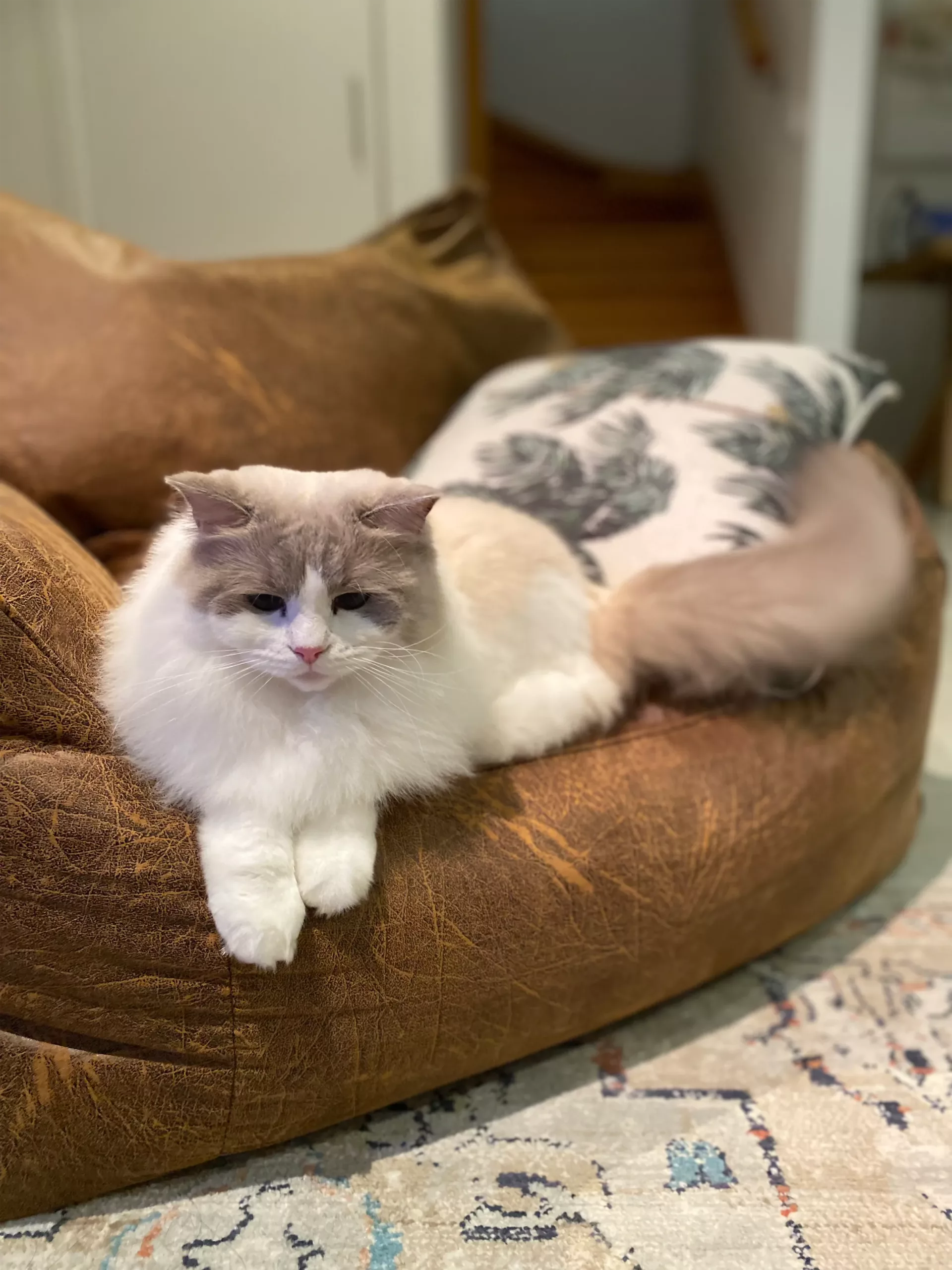
Are Ragdoll kittens high maintenance? If you’re considering adopting a Ragdoll kitten, this is likely a question that’s been on your mind.
Ragdoll cats are known for their striking blue eyes, gentle temperament, and affectionate nature.
They make wonderful pets for families and individuals alike, but it’s important to understand the level of care they require before bringing one into your home.
What you'll learn from this article
While Ragdoll kittens are not necessarily high maintenance in every way, they do have specific needs that require a bit more attention than other cat breeds. For example, their thick, beautiful coats require regular brushing to prevent matting and keep them looking their best.
Additionally, their nails tend to grow quickly and need to be trimmed regularly to prevent them from becoming too long and causing discomfort or damage to furniture. Understanding these needs and being prepared to meet them is essential to providing a happy and healthy home for your Ragdoll kitten.
Physical Traits of Ragdoll Cats
Ragdoll cats are known for their large size and silky long hair. They have a medium to large build and can weigh up to 20 pounds. Their body length can reach up to 40 inches from nose to tail. Ragdoll cats have a distinctive appearance with their bright blue eyes and pointed coloration.
Ragdoll cats come in several colors including chocolate, seal, lilac, blue, and cream. They can also be solid or have a pattern of bicolor, mitted, or points. The bicolor pattern features white on the face, legs, and chest while the mitted pattern has white on the paws and chest. The pointed pattern has darker coloration on the face, ears, legs, and tail.

Their coat is long and silky, which requires moderate to high grooming needs. Brushing their coat regularly can help prevent matting and hairballs. Ragdoll cats also tend to shed quite a bit, so keep a lint roller handy.
In terms of personality, Ragdoll cats are known for their friendly and easygoing nature. They are social cats that enjoy attention and cuddles. Ragdoll cats are not high-maintenance in terms of their personality, as they tend to be quite relaxed and gentle.
Overall, Ragdoll cats have a distinctive appearance with their large size, bright blue eyes, and pointed coloration. Their silky long hair requires moderate to high grooming needs, but their friendly and easygoing personality makes them a great addition to any household.
Ragdoll Kittens High Maintenance
When considering adopting a Ragdoll kitten, it is important to be aware of their potential health concerns and lifespan. Ragdolls are generally a healthy breed, but like all cats, they can be prone to certain health issues.
One of the most common health problems for Ragdoll cats is polycystic kidney disease (PKD). This hereditary condition causes the growth of cysts in the kidneys, which can lead to kidney failure. It is important to have your Ragdoll kitten tested for PKD before adopting them, as it can be a serious and costly condition to manage.
Another potential health concern for Ragdolls is bladder stones. These can cause urinary tract infections and other complications, and may require surgery to remove. Regular check-ups with your veterinarian can help catch and treat these issues early on.
Ragdolls are also prone to hypertrophic cardiomyopathy (HCM), a genetic heart condition that can lead to heart failure. Regular check-ups with your veterinarian can help catch and manage this condition early on.
Despite these potential health concerns, Ragdoll cats generally have a lifespan of up to 17 years. With proper care and regular check-ups, your Ragdoll kitten can live a long and healthy life.
Grooming and Maintenance
Ragdoll kittens are not considered high maintenance when it comes to grooming and maintenance. They have a silky and soft coat, which requires minimal grooming. However, regular grooming is still necessary to keep their coat healthy and shiny.
Brushing your Ragdoll kitten’s coat once or twice a week is usually enough. It helps remove loose hair, prevent matting, and distribute natural oils throughout their coat. A slicker brush or a comb can work well for this task. Be sure to be gentle and avoid pulling on their fur.
Ragdoll kittens shed their undercoat twice a year, which means they may require more frequent brushing during these periods. You can also use a de-shedding tool to help remove loose hair and prevent matting.
Bathing your Ragdoll kitten is not necessary unless they get into something messy or dirty. However, if you do choose to bathe them, use a gentle cat shampoo and avoid getting water in their ears. After the bath, be sure to dry them thoroughly to prevent them from getting cold.
In addition to grooming their coat, you should also maintain your Ragdoll kitten’s teeth and nails. Brushing their teeth once or twice a week can help prevent dental problems. Trimming their nails regularly can help prevent them from getting too long and causing discomfort.
Overall, Ragdoll kittens are not high maintenance when it comes to grooming and maintenance. Regular brushing and occasional bathing are usually enough to keep them looking and feeling their best.
Diet and Exercise
Maintaining a healthy diet and exercise routine is essential for the overall health and wellbeing of your Ragdoll kitten. Here are some recommendations to ensure your kitten is getting the proper nutrition and exercise they need.
Diet
Ragdoll kittens require a balanced diet that is high in protein and low in carbohydrates. You should choose high-quality cat food that is specifically formulated for the nutritional needs of Ragdoll kittens. Look for cat food that contains real meat as the first ingredient and avoid cat food that contains fillers or by-products.
It is also important to monitor your kitten’s portion sizes and avoid overfeeding. Overfeeding can lead to obesity and other health problems. Follow the feeding instructions on the cat food packaging and adjust the portion size based on your kitten’s activity level and age.
Exercise
Ragdoll kittens are generally low to medium energy and do not require a lot of exercise. However, it is still important to provide them with regular playtime and activities to keep them active and healthy. Provide your kitten with toys that encourage them to play and move around, such as balls, string toys, and interactive toys.
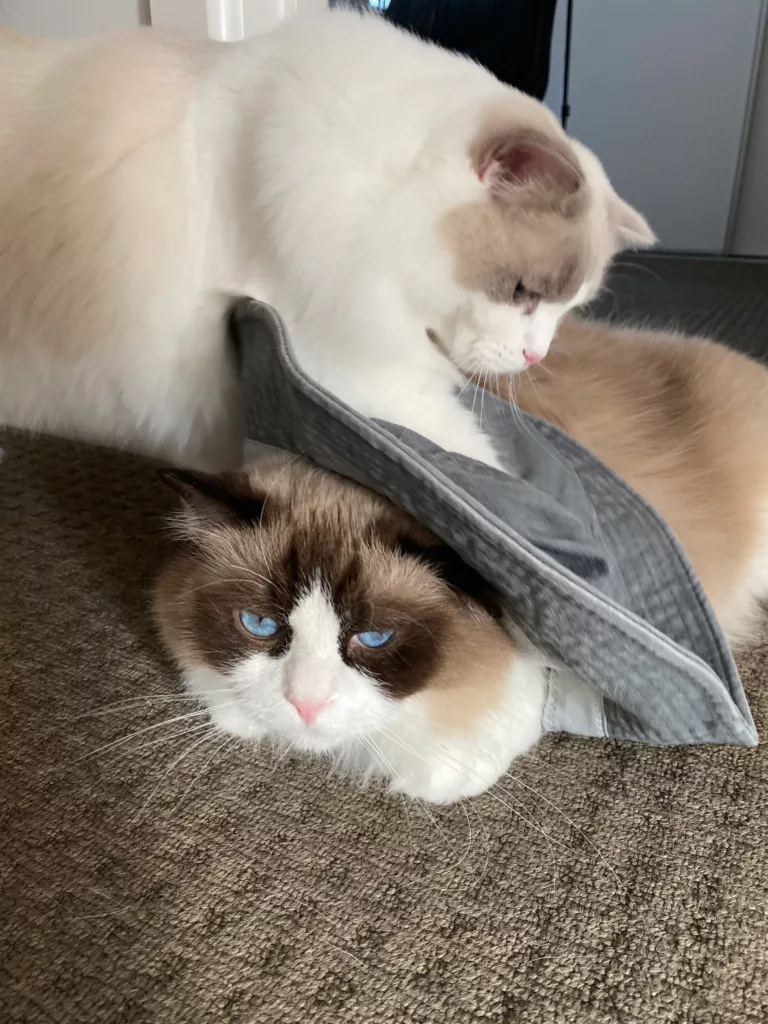
You can also encourage your kitten to be more active by creating a stimulating environment for them. Set up a scratching post, climbing tree, or other play area for your kitten to explore. This will help keep them mentally and physically stimulated.
In conclusion, maintaining a healthy diet and exercise routine is crucial for the overall health and wellbeing of your Ragdoll kitten. By following these recommendations, you can ensure that your kitten is getting the proper nutrition and exercise they need to thrive.
Behaviour and Temperament
Ragdoll kittens are known for their relaxed and affectionate nature. They are a great addition to any family, including those with children. These cats love to cuddle and be close to their owners, often following them around the house and seeking attention.
While Ragdoll kittens are not hyper or overly energetic, they do enjoy playtime and exploring their surroundings. They can be mischievous at times, but with positive reinforcement training, they can quickly learn what behaviors are acceptable.
Ragdoll kittens are generally easy to care for and don’t require much training. They are tolerant of being handled and cuddled, making them great companions for those who enjoy spending time with their pets.
One unique trait of Ragdoll kittens is their tendency to go limp when picked up or held. This behavior is known as “ragdolling” and is a result of their relaxed nature. However, it’s important to support their bodies when picking them up to avoid any injury.
Ragdoll kittens have hunting instincts, so it’s important to provide them with toys and scratching posts to satisfy their natural behaviors. They are known for their love of scratching, so it’s important to provide appropriate scratching surfaces to prevent them from damaging furniture.
Overall, Ragdoll kittens have a relaxed and cuddly temperament, making them great companions for families and individuals alike. With proper care and attention, they can make wonderful lifelong companions.
Choosing a Ragdoll Kitten
If you’re considering getting a Ragdoll kitten, there are a few things you should keep in mind when choosing the right kitten for you and your family. Here are some tips to help you find a healthy and happy Ragdoll kitten from a reputable breeder:
Look for a reputable breeder
When looking for a Ragdoll kitten, it’s important to find a reputable breeder who has a good reputation in the cat breeding community. A good breeder will be knowledgeable about the breed and will be able to provide you with information about the kitten’s health, temperament, and lineage. They will also be able to answer any questions you may have and provide you with guidance on how to care for your new kitten.
Research the breed
Before getting a Ragdoll kitten, it’s important to do your research on the breed. Ragdolls are known for their friendly and affectionate personalities, but they also require a lot of attention and care. They have long, thick coats that require daily grooming, and they can be prone to certain health issues like heart disease and bladder stones. Make sure you’re prepared to provide your Ragdoll kitten with the care and attention they need.
Meet the kitten’s parents
When choosing a Ragdoll kitten, it’s a good idea to meet the kitten’s parents if possible. This can give you an idea of what the kitten’s temperament and personality will be like as they grow up. It’s also important to make sure that the parents are healthy and well-cared-for, as this can be an indication of the kitten’s overall health.
Consider the kitten’s age
When choosing a Ragdoll kitten, it’s important to consider their age. While younger kittens may be more energetic and playful, older kittens may be more settled and easier to care for. Make sure you choose a kitten that fits your lifestyle and your ability to care for them.
Get a health guarantee
When getting a Ragdoll kitten from a breeder, make sure to get a health guarantee. This can provide you with peace of mind knowing that the kitten is healthy and has been well-cared-for. A good breeder will be happy to provide you with a health guarantee and will be available to answer any questions you may have about your new kitten.
Ragdoll Cats and Allergies
If you are considering getting a Ragdoll kitten, it is important to know if you or anyone in your household has allergies. While Ragdoll cats are not officially hypoallergenic, they are generally considered to be a good choice for people with mild to moderate allergies.
The most common allergen associated with cats is a protein called Fel D1, which is found in the saliva, urine, and dander (dead skin cells) of cats. While Ragdoll cats do produce this protein, they are known to produce less of it than other cat breeds. This means that some people with allergies may be able to tolerate Ragdoll cats better than other breeds.
However, it is important to note that every person’s allergies are different, and some people may still have allergic reactions to Ragdoll cats. If you or someone in your household has severe allergies, it is best to spend time with a Ragdoll cat before bringing one home to see if any reactions occur.
In addition to the protein allergen, Ragdoll cats can also be affected by other common allergens such as dust, mold, and pollen. Keeping your home clean and free of these allergens can help reduce the likelihood of allergic reactions in both you and your Ragdoll cat.
Overall, while Ragdoll cats are not officially hypoallergenic, they are generally considered to be a good choice for people with mild to moderate allergies. However, it is important to spend time with a Ragdoll cat before bringing one home to see if any allergic reactions occur. Keeping your home clean and free of allergens can also help reduce the likelihood of allergic reactions.
Caring for a Ragdoll Cat
Ragdoll cats are known for their friendly, social, and affectionate personality, making them a popular choice among cat owners. However, like any other pet, they require proper care and attention to ensure they stay healthy and happy.
Veterinarian Visits
Regular visits to the veterinarian are essential for your Ragdoll cat’s health. Your veterinarian can provide you with guidance on vaccinations, flea and tick prevention, and any other medical concerns you may have. It is recommended that you take your Ragdoll cat for a check-up at least once a year.
Skin and Coat Care
Ragdoll cats have a silky coat that requires regular grooming to prevent matting and hairballs. Brushing your cat’s coat once a week can help keep it clean and healthy. Additionally, you should check your cat’s skin for any signs of irritation or infection.
Litter Box
Ragdoll cats are generally easy to litter train. Provide your cat with a clean litter box, and make sure you clean it regularly. If your cat is having trouble using the litter box, consult with your veterinarian to rule out any medical issues.
Vaccinations
Vaccinations are crucial for your Ragdoll cat’s health. Make sure you follow your veterinarian’s vaccination schedule to protect your cat from common illnesses.
Companionship
Ragdoll cats are social animals that thrive on companionship. They enjoy spending time with their owners and other pets. Make sure you provide your cat with plenty of attention and playtime to keep them happy and healthy.
In summary, caring for a Ragdoll cat requires regular veterinarian visits, skin and coat care, proper litter box maintenance, vaccinations, and companionship. With proper care and attention, your Ragdoll cat can live a long and healthy life.
Ragdoll Cats in Australia
Ragdoll cats are a popular breed in Australia, known for their affectionate and gentle nature. The breed was first developed in the United States in the 1960s, and it quickly gained popularity in Australia.
History
The Ragdoll breed was created by Ann Baker, a breeder in California, who selectively bred cats with specific traits to create a breed that was docile and affectionate. The breed was recognized by the Cat Fanciers Association in 1993.
Characteristics
Ragdoll cats are large, with males weighing up to 10 kilograms and females weighing up to 6 kilograms. They have a soft, silky coat that comes in a variety of colors and patterns, including seal, blue, chocolate, and lilac. Ragdolls are also known for their bright blue eyes.
Care
While Ragdoll cats are generally low-maintenance, they do require regular grooming to keep their coat healthy and free of tangles. They also need regular vet check-ups to ensure they are healthy and up-to-date on their vaccinations.
Adoption
If you are interested in adopting a Ragdoll cat in Australia, there are many reputable breeders and rescue organizations that specialize in the breed. It is important to do your research and choose a breeder or rescue organization that is committed to the health and well-being of their cats.
Overall, Ragdoll cats are a great choice for anyone looking for a loving and affectionate companion. With their gentle nature and easy-going temperament, they make great pets for families, singles, and seniors alike.
